5 years of VinFuture connecting global intelligence with Vietnamese practical problems
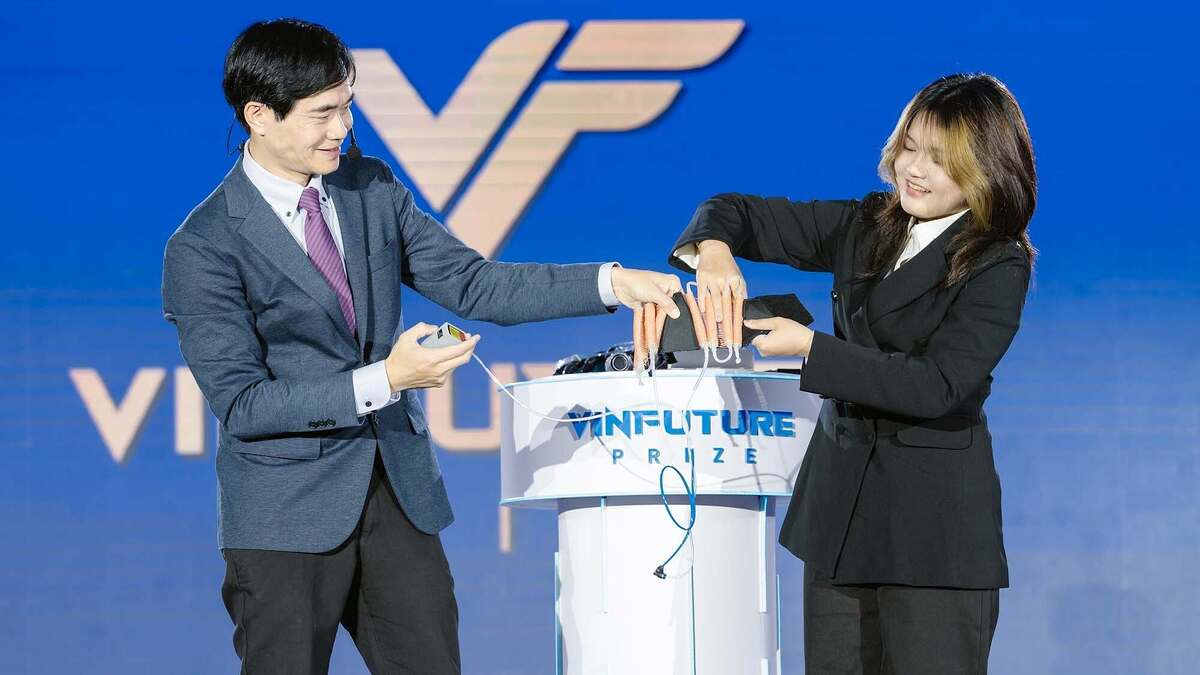
After more than 5 years of operation, the mark of the VinFuture Award does not stop at the honor nights, but also spreads through scientific connections that are directly creating new value. From a series of academic events and in-depth discussions, many of the world's leading scientists come to share knowledge and accompany in research projects, train human resources and find solutions to specific problems in Vietnam.

Evidence of this companionship is Professor Omar Yaghi from the University of California, Berkeley, winner of the 2025 Nobel Prize in Chemistry. He is collaborating with VinUni University to develop AIRES, an AI system that supports the discovery and design of new materials. The work on AIRES will be published in Nature Synthesis, one of the most prestigious scientific journals globally, in 2025. This result opens up opportunities for young Vietnamese scientists to directly participate in advanced materials research, serving energy storage and environmental treatment.
In addition, Professor Richard Friend and Professor Konstantin Novoselov, recipients of the 2010 Nobel Prize in Physics, currently serve as advisors to the Center for Innovation in Materials Technology (CMIT). Connections formed from VinFuture Science and Technology Week promote cooperation between CMIT and the Institute for Intelligent Materials Research (I-FIM) in Singapore. This relationship creates conditions for the parties to exchange researchers, co-guide graduate students and improve the quality of international publications of Vietnamese scientists. Materials research capacity is considered an important foundation for strategic technology industries such as semiconductors and new generation electronics that Vietnam is aiming for.
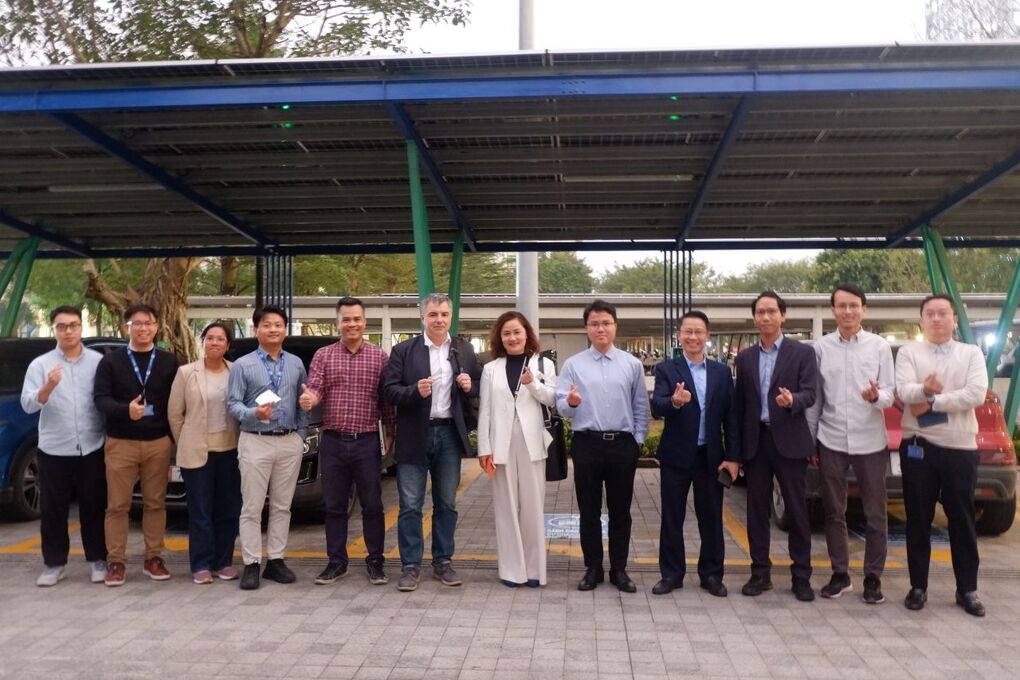
In the field of sustainable development, Professor Ermias Kebreab from the University of California, Davis, is participating in the Smart Aquaculture System (SMAS) project in Khanh Hoa. The project not only supports green transformation, but also helps coastal fishermen have more stable livelihoods through improving water quality and enhancing resilience to climate change. Professor Kebreab believes this will be a model for other coastal areas to learn about how to harmoniously combine science and nature.
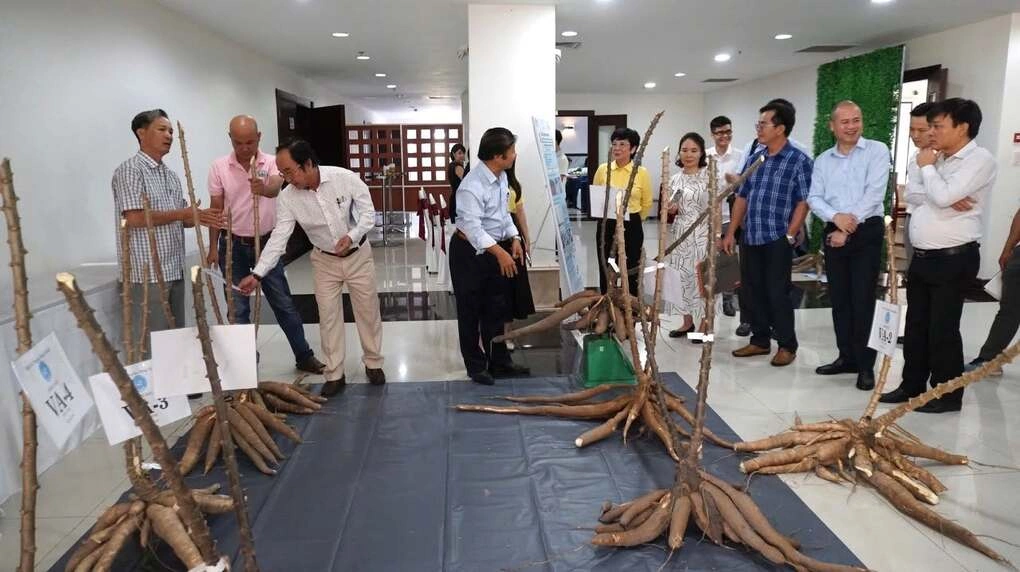
The value of science is also measured by solving practical problems in agriculture. From 2023, through VinFuture's connection, Professor Le Huy Ham and his colleagues will implement a project to develop cassava varieties resistant to mosaic disease. The project received financial support from the Thien Tam Fund to create cassava varieties with high yield and stable starch content. By April, the project's first cassava variety completed its registration application for recognition. This success helps protect raw material sources for factories and increases the competitiveness of Vietnamese agricultural products in the international market.
The medical field also recognizes many potential projects from this scientific network. The VNPreventStroke platform, which applies AI to support risk prediction and stroke prevention, is the result of a meeting at VinFuture in 2024. Professor Mai Duy Ton, Director of Bach Mai Hospital Stroke Center, and international experts proposed building a digital platform specifically for Vietnamese people. If widely deployed, the system will help detect risks early, from which people can adjust their lifestyles and reduce the burden on the public health system.
Another direction is the AI rehabilitation robot system developed by the Hanoi University of Science and Technology research team under the advice of Professor Raymond Kai-yu Tong from Hong Kong. The project aims to produce modern "Made in Vietnam" medical equipment at a reasonable cost, helping patients after stroke or neurological injury easily access high-quality services. This cooperation combines international experience with real conditions in domestic medical facilities.
In addition, specific intervention programs such as school e-cigarette prevention in Hanoi are also implemented based on experience from international public health experts. The project reached more than 2,200 students, providing scientific evidence to support administrators in developing youth protection policies.
From agriculture, healthcare to sustainable development, projects formed from the VinFuture network all aim to improve the quality of life for Vietnamese people. The award representative said that this is not only an added value after each season, but also an important legacy, helping Vietnam get closer to the world's leading knowledge networks to solve the country's challenges.