AI on iPhone and iPad supports medical examination and treatment in Singapore
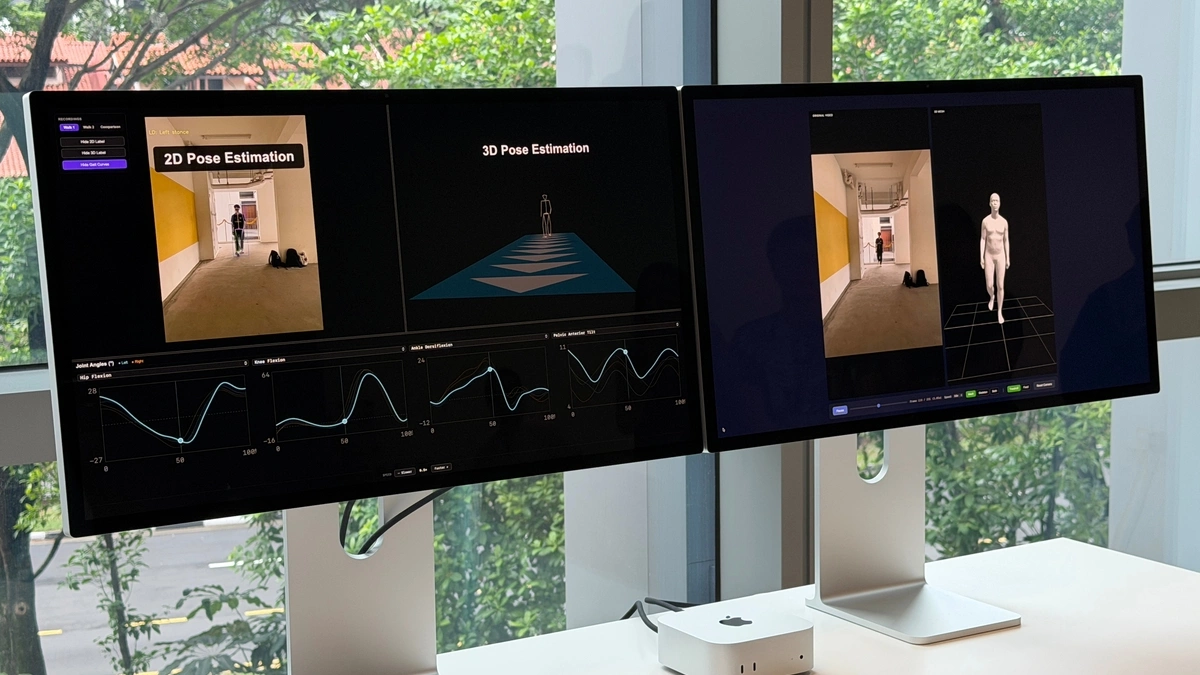
Having undergone many complex spine surgeries, for Dr. Damian Lee, Consultant Neurosurgeon at the National Neuroscience Institute of SingHealth, assessing the level of recovery of new patients is always a constant challenge. The feeling of pain is inherently subjective, and each person's tolerance threshold is different, making it difficult for doctors to assess whether a patient's condition is actually getting better or worse after surgery.
Mr. Lee compares the human spine to a "highway" that transmits signals from the brain to the legs. Any blockage or damage will be immediately reflected in the patient's gait. Previously, to get data, medical facilities needed to invest in a gait laboratory (Gait Lab) with an installation cost of up to one million USD. Patients had to come in, have sensors attached to their bodies, and take hours to prepare. But now, Dr. Lee can analyze right in the clinic or operating room to know the patient's progress in just over a minute with an iPad Pro.
Replacing the million USD laboratory
Ramanpreet Pahwa, CareCam's chief technology officer, said the idea for the app came when a doctor responded: "If you just tell me someone has fallen, it's too late. But if you can tell me someone is at high risk of falling, I can actually do something to help." The CareCam application was then born with the most outstanding feature of analyzing human gait, providing analysis reports, helping doctors diagnose diseases as well as monitor patient progress.
According to Mr. Ramanpreet, traditional laboratories provide accurate gait analysis results but are expensive and time-consuming. The setup process for each patient can take up to 2 hours, sometimes if just one sensor falls off, the entire test has to be done again from the beginning the next day.
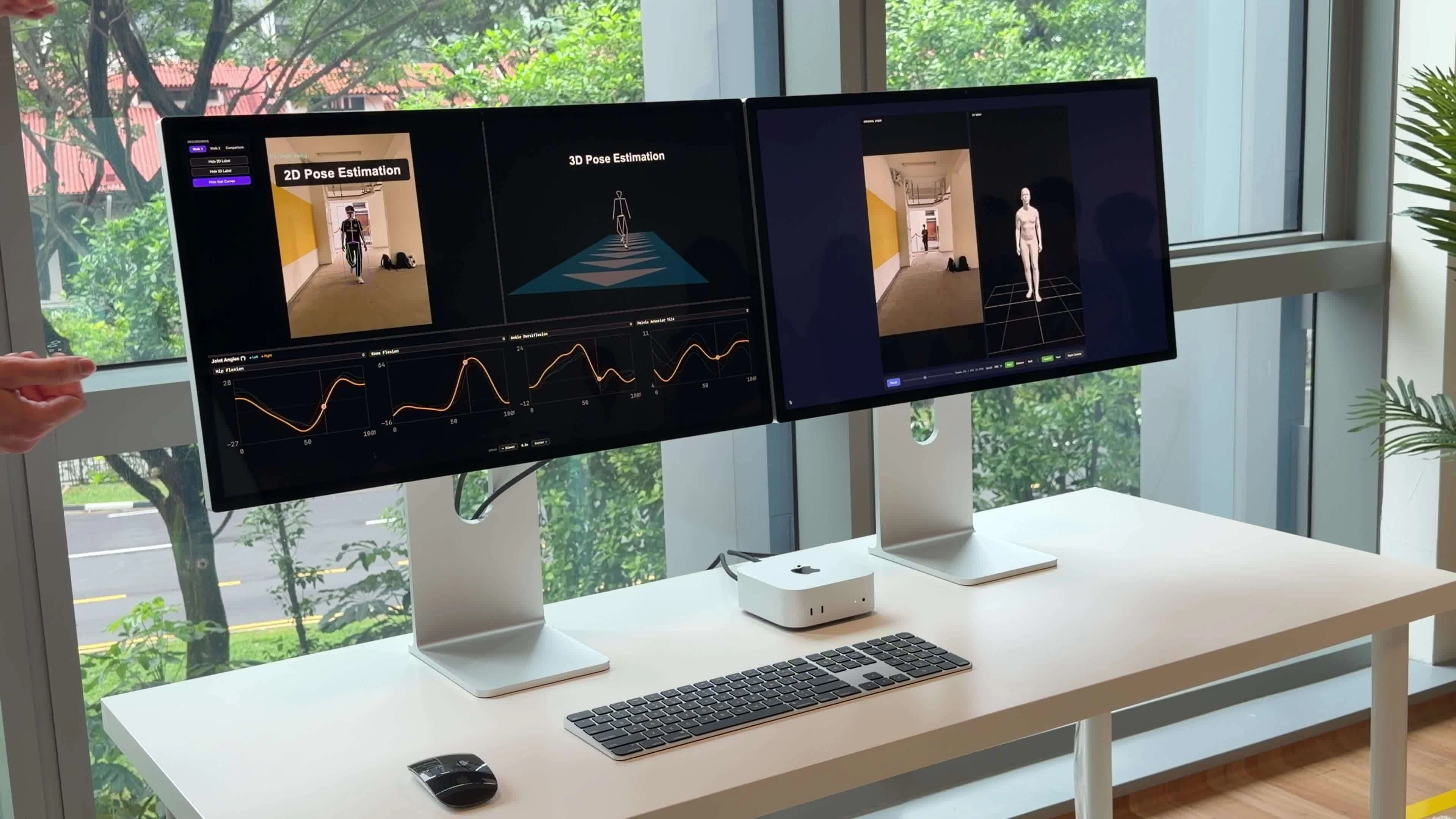
Meanwhile, with CareCam's 3DGait solution, the patient only needs to walk a short distance in front of the iPad Pro camera, and the monitoring doctor will have the analysis results in more than a minute. According to Dr. Damian Lee, these data are detailed enough to assess the mobility and balance of patients with stroke or neurological disease consistently over time.
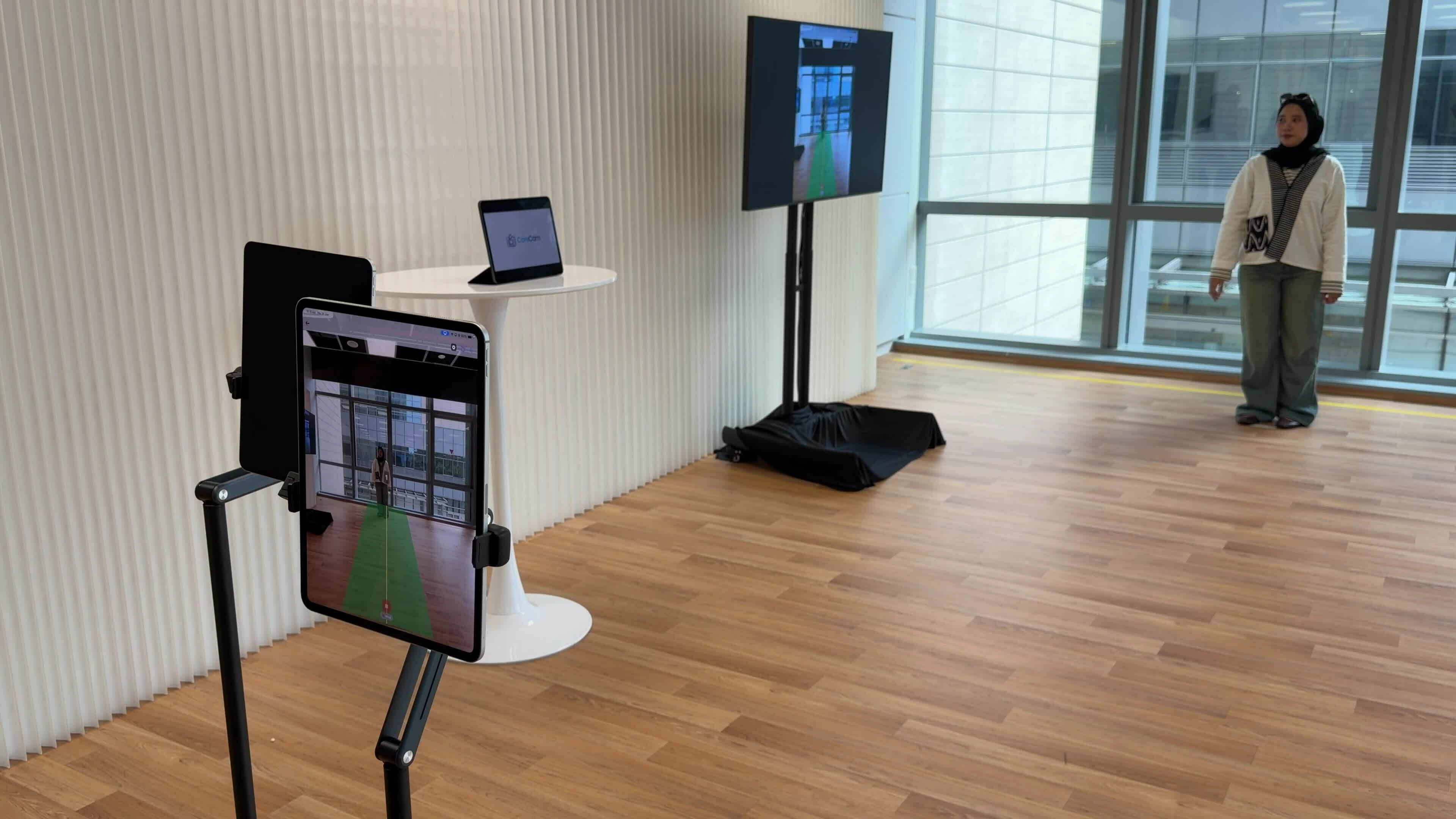
The 3DGait solution combines a conventional camera, LiDAR sensor and AI chip on the iPad Pro device to automatically identify joints and calculate motion parameters via video. Patients do not need to wear complicated sensors, which helps increase the scale of examination many times.
At the Woodlands Health event organized by CareCam in a residential cluster in May, the system screened 300 people in just 4 hours, far surpassing traditional labs that only do a few cases per session.
In actual testing, with a walking distance of more than 10 meters and an analysis time of about one minute, CareCam provides many valuable parameters such as gait speed, overall symmetry, phases in the walking cycle (contact phase, leg swing phase), detailed kinematic analysis (elbow, hip, knee, groin joints) or assessment of upper and lower body asymmetry. For example, a test person is experiencing tension in the thigh and posterior hip muscles due to intense sports. The analysis results are immediately clearly reflected in the asymmetry parameters at the knee and hip joints due to weakness or tightness of the muscle groups that support the joints.
According to a CareCam representative, for healthy people, the 3DGait solution has an accuracy of about 95%, an angle error of less than 3 degrees and a step spatial error of about 3 cm, within the clinically acceptable threshold.
Monitor and analyze wounds using mobile devices
Not only CareCam, SingHealth is also applying a number of AI applications on other devices to support doctors and nurses such as chronic wound care, medical guidance and self-care at home.
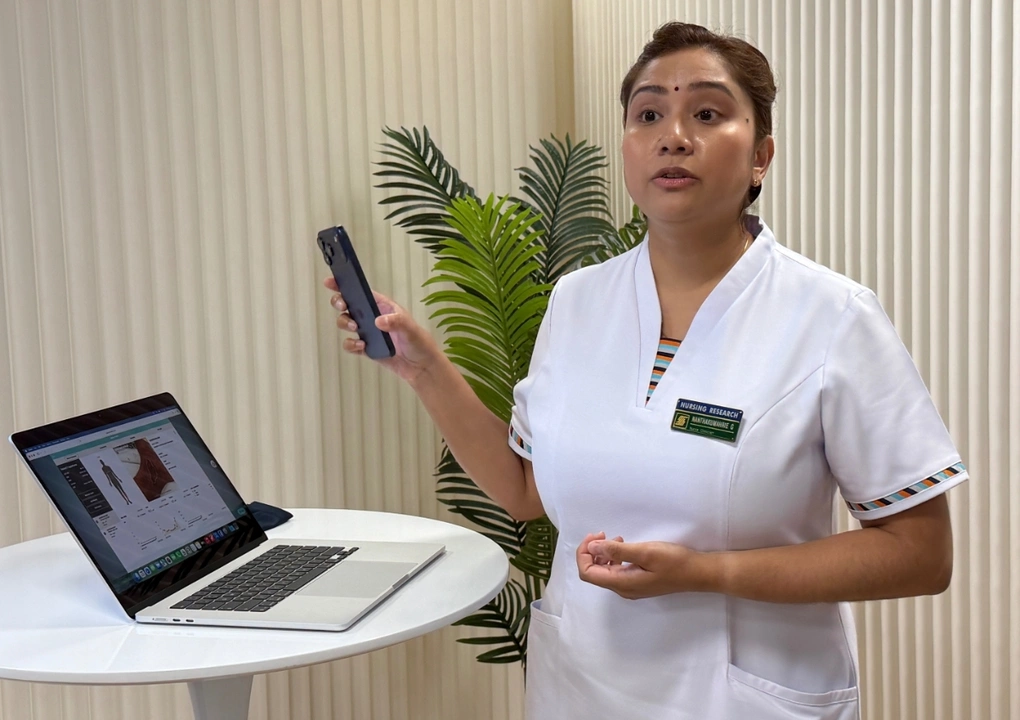
According to Ms. Nanthakumahrie Gunasegaran, clinical nurse at SingHealth, treating wounds such as diabetic ulcers is a time-consuming process and prone to errors. The previous way of assessing wounds was completely manual when nurses used a ruler, wrote it down on paper and then entered it into the records. This process is time consuming and measurement results vary between nurses.
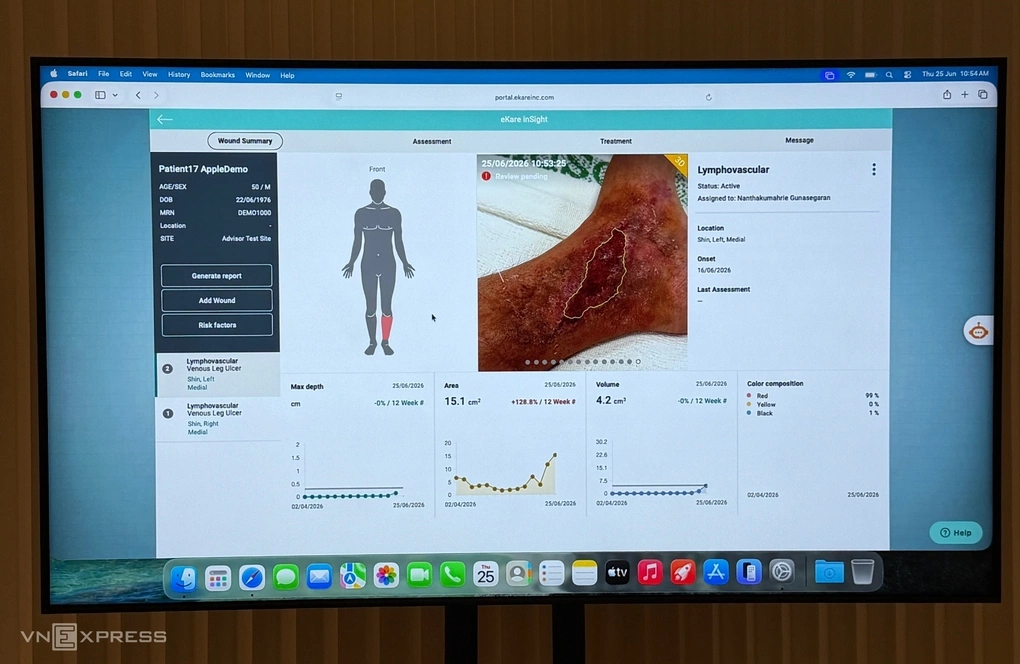
To support a more standardized and simplified examination process, SingHealth uses eKare's inSight solution. This iPhone application will use cameras and depth sensors to calculate the area and depth of the wound, eliminating discrepancies between measurements by different medical staff. The application also integrates an AI virtual assistant to analyze the wound condition and provide treatment suggestions based on hospital guidelines and policies.
Patrick Cheng, CEO of eKare, said the solution helps turn a simple photo into structured clinical information, helping doctors "track progress and make better decisions." Software installed directly on the iPhone also helps medical staff easily get used to it instead of specialized machinery.
"Technology really supports us. It does not replace but makes the work we do simpler and more accurate," Ms. Nanthakumahrie commented. Each patient's information will be saved in code format into an electronic record, the doctor can remotely view the progress of the wound after surgery or without needing to visit too many times but still be able to adjust the regimen promptly.
Technical challenges
Despite bringing breakthrough advances in diagnosis and treatment support, the medical team at SingHealth also pointed out limitations in the application of new solutions. With an image-based application like eKare's inSight, lighting conditions play a decisive role in the accuracy of diagnosis.
Ms. Nanthakumahrie Gunasegaran shared that light at the clinic or at the patient's home can change the diagnosis results. In particular, the phenomenon of light reflection or shadowing on the wound surface can lead to misinterpretation of the healing condition. Another challenge is consistency in shooting angles. Nurses need to be trained and use the Ghosting Opacity feature to match old and new photos, uniform shooting angles, otherwise the comparison of wound progression will be inaccurate.
This solution also faces physical limitations when the system sometimes cannot accurately automatically measure wounds with obvious depth (cavity or crater). Nurses are still required to perform manual measurements in complex cases to ensure the data entering the system is most accurate.
Regarding hardware, solutions like CareCam also depend on specific devices. Mr. Ramanpreet Pahwa affirmed that there is currently no commercial tablet other than the iPad Pro that can provide 3D information and LiDAR data qualified for gait analysis. In addition, the hardware also requires synchronization of the color sensor and LiDAR sensor at the frame-by-frame level to ensure the system can start the test immediately without the need for a complicated calibration process.
Data security and network security are also top priorities when handling sensitive medical information with applications such as CareCam and eKare. Sending videos and images to a processing server sometimes has higher accuracy but does not provide enough information security. Therefore, the above solutions all require AI processing to be performed directly on the device, requiring the models used to have separate AI chips with good enough performance.
Tuan Hung