Three major losses when an invention is copied
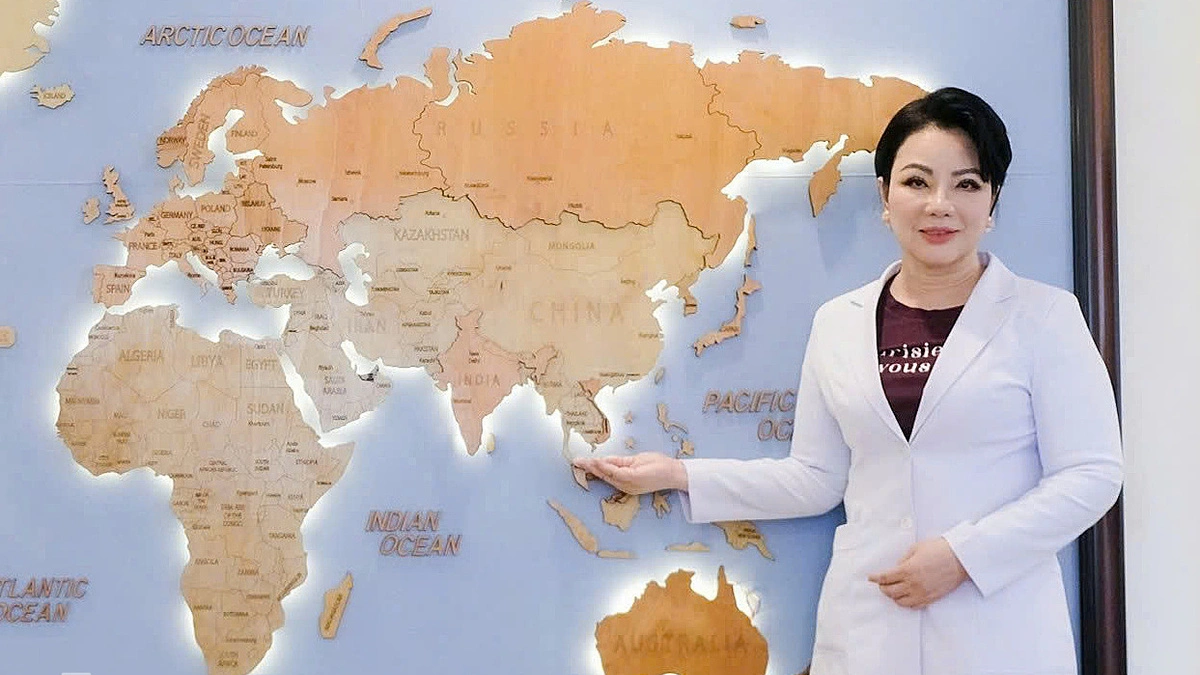
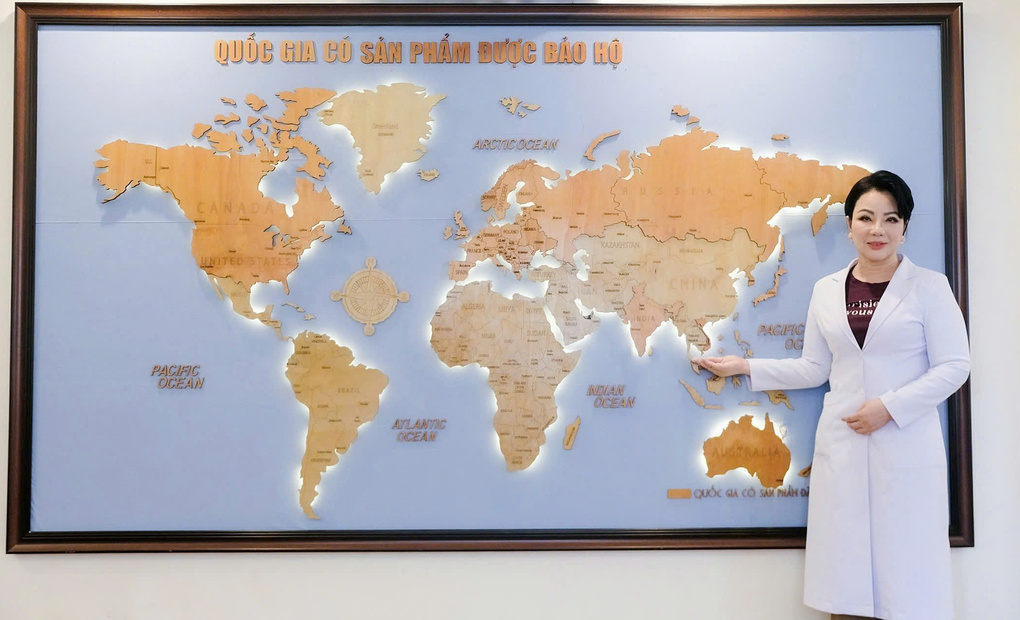
The Politburo has just issued Conclusion No. 51-KL/TW on promoting intellectual property work to serve socio-economic development in the new situation, including the need to improve the enforcement and protection of intellectual property rights. Doctor Pham Thi Kim Loan, founder of science and technology company Gia Thai DoctorLoan, shares her perspective with VnExpress as she owns more than 250 international patents in the field of spine care worldwide. According to Ms. Loan, protecting intellectual property rights is more important than ever when Vietnam wants to develop an economy based on science and technology.
- Can you share how countries around the world are protecting creativity and inventors?
- Up to now, the policy that many developed countries consider is core: protecting the creative motivation of the whole society instead of just specific components.
In the countries where I set foot, the fines for patent infringement are quite high. For example, in Japan, those who infringe on patent or exclusive use rights can be sentenced to imprisonment for up to 10 years, a fine of up to 10 million Yen, or both. In Germany - one of the world's strongest patent enforcement countries - there are fines or imprisonment of up to three years for copyright infringement. The US is famous for its extremely strong compensation regime, each violation can compensate 10-30 million USD and three times the actual damage.
In many countries, when intellectual property rights are violated, rights holders can request simultaneous application of many administrative, civil, and even criminal measures for serious acts. Customs authorities can also coordinate to control infringing goods right at the border gate. This helps significantly reduce technology copying and creates confidence for businesses to continue investing in research and innovation.
More importantly, these countries always send a very clear message: the cost of researching a new technology must be lower than the cost of stealing that technology. When creators are protected, they will continue to invest in research; Enterprises boldly invest in long-term; Consumers have access to safe, quality products with clear origins.
- The law and sanctions already exist, why in reality do many units still blatantly violate patents but it is difficult to handle them?
- In my opinion, there are many reasons why patent infringement in reality still occurs and handling in many cases faces many difficulties.
First, inventions are intangible assets. While trademark counterfeits can be identified by name or external signs, inventions lie in technical solutions, structures, processes or operating principles. To determine whether there is an infringement or not, it often requires a process of professional analysis, comparing each technical specification and in many cases requiring expert opinions or expertise.
Second, violators often do not copy the original status quo, but only change some details in form or structure to create a different feeling. However, whether or not there is infringement must be assessed on the basis of the scope of protection of the invention and the protected technical signs, not just on the appearance. Therefore, the assessment is often complex and requires in-depth expertise.
Third, the process of collecting evidence and proving infringement often takes a lot of time, money and resources. Rights owners must actively monitor the market, maintain documents, collect product samples, prepare technical documents and carry out procedures in accordance with the law to protect their rights.
As technology develops and spreads rapidly, the copying or transformation of technology also happens faster, requiring the intellectual property rights enforcement system to constantly improve professional capacity, strengthen coordination between agencies and update knowledge of new technology.
The role of enforcement agencies at this time is extremely important. If they are not experts, they must rely heavily on professional conclusions. If the conclusion is clear, scientific, and highly convincing, the enforcement agency will boldly handle it. On the contrary, if the conclusion has many interpretations, overlaps, and lacks technical analysis, the processing is often prolonged, causing heavy losses to businesses.
The most difficult thing in patent protection is not proving who is the same as who, but proving who has used the true nature of the technical solution protected by law.
- What risks can copyright infringement that is not strictly handled lead to?
- The consequences, in my opinion, are very serious. An inventor must invest many years in research, testing, registering for intellectual property protection, building a factory, training personnel, developing a distribution system and educating the market at huge and prolonged costs. When an innovative product is not known to the market, the inventor faces difficulties in capital, research and building trust. But when the product begins to be accepted by the market, it faces the challenge of being copied.
This is the great paradox of innovation. It takes many years, even decades, for inventors to research, test, perfect technology, register for intellectual property protection, build a brand and educate the market. In contrast, a copying unit only needs a very short time to imitate the product's appearance and bring it to market at a much lower cost. Of course, with copied products, I believe the quality is poor compared to the real product, affecting consumers.
Counterfeit or copying units often do not have to invest in research, testing, pay intellectual property costs and also do not have to bear the risk of failure during product development, creating an unfair competitive environment. If this situation persists, innovative businesses will gradually lose market share, reduce resources for R&D, and may even be forced to narrow operations or leave the market. In other words, counterfeit products not only take away revenue from creative businesses but also reduce society's trust in science and innovation.
In the long run, the damage does not just belong to one inventor. It is also a loss of both science and the nation's innovation drive. The issue becomes even more important when the protection and enforcement of intellectual property rights becomes a strategic factor in international trade, no longer just a dispute between businesses.
- You mentioned the national factor. From this perspective, how big is the damage?
- From a national perspective, if counterfeit goods and copying are not effectively controlled, the incentive to invest in research and innovation will decline. Inventors will hesitate to announce new technologies, businesses will reduce investment in long-term research and it will be difficult for the economy to form internationally competitive technology brands.
At that time, the economy will fall into a vicious cycle: value creators are hurt, copiers benefit, innovation motivation declines, and the amount of valuable technology created becomes less and less.
A country that cannot protect creators will find it very difficult to become a creative country. When inventors no longer believe that their research achievements are protected, they will stop investing in new ideas, which is the biggest loss. Counterfeit goods cost businesses revenue, but at the national level, they lose international trust in Vietnam's innovation environment.
Every successful invention is the result of decades of research, thousands of days of testing and huge resources of the business. If the original creators cannot make a living off their creations, and the copycats profit from those achievements, the market will eventually lose the very creators of new technology.
- In the current context, what do you think is the solution?
- Internationally, most developed countries have built intellectual property rights enforcement systems based on the principles of the WTO's TRIPS (Trade Related Intellectual Property Rights) Agreement and treaties managed by the World Intellectual Property Organization (WIPO). Patent owners have the right to request the simultaneous application of many protection mechanisms such as requesting to stop infringing acts, compensating for damages, seizing or destroying infringing goods, applying temporary emergency measures to prevent further damage from occurring, and controlling goods at the border. For serious acts according to the laws of each country, they may be criminally prosecuted.
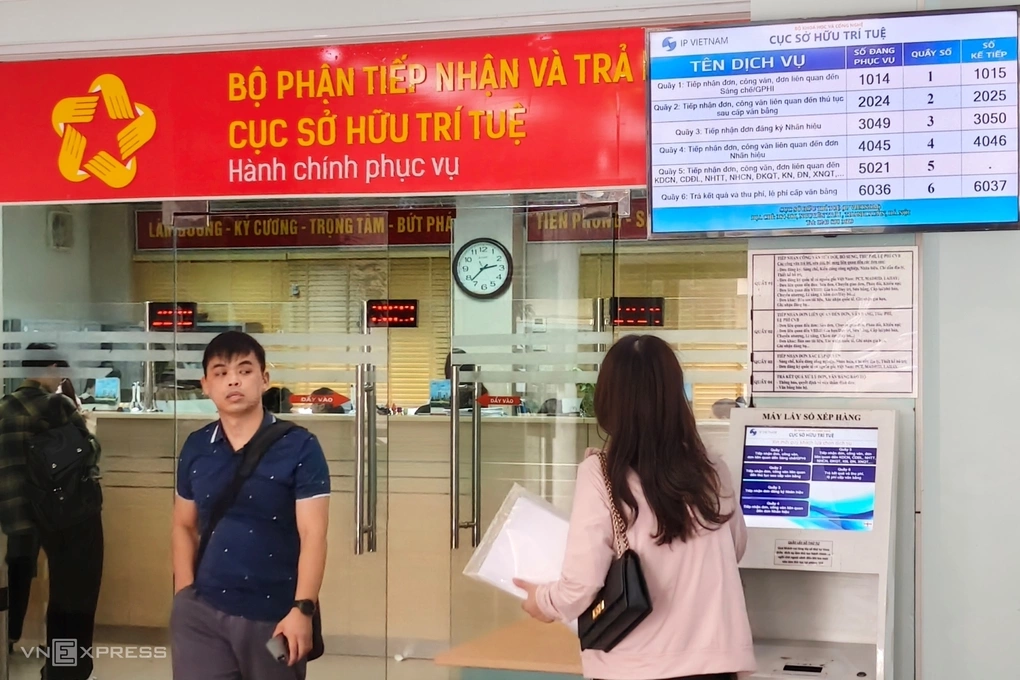
In Vietnam, the Intellectual Property Law has been amended and supplemented many times, along with guiding documents, providing relatively complete measures to protect intellectual property rights. Rights owners can request civil, administrative, and border control measures. In cases where the act has enough elements to constitute a crime, it may be considered criminal liability according to the provisions of law.
However, in my opinion, it is important not only to have legal regulations, but also to improve implementation efficiency in practice. If science and technology want to thrive, it is necessary to continue to improve the system according to a number of directions:
Shorten the time to handle intellectual property infringement cases, because for technology businesses, time is also an asset.
Strengthen the professional capacity of assessment, enforcement and adjudication teams for disputes with complex technical elements, especially patents and high technology.
Promote temporary emergency measures when there is a clear basis for the risk of infringement, in order to limit the continued circulation of goods while waiting for resolution.
Strengthen coordination between management agencies, enforcement agencies, customs, market forces and courts to protect rights in a unified and effective manner.
Encourage businesses to build an intellectual property strategy from the beginning, including registering rights, managing business secrets, preserving research evidence and proactively monitoring the market.
Raise social awareness that respecting intellectual property is respecting creative labor and contributing to building a healthy competitive environment.
In my opinion, in the era of knowledge economy, resources may be exhausted but knowledge can proliferate without limit. Therefore, if we want the country to develop through science and technology, we must first build an environment in which creators are protected, innovative businesses are protected, and research achievements are effectively protected by law.
Investing in research is sowing seeds. Protecting intellectual property means preserving the land for those seeds to germinate, grow and become technology businesses and national brands, contributing to improving competitiveness, attracting high-quality investment and strengthening Vietnam's position in the global value chain.
- Conclusion No. 51-KL/TW of the Politburo was issued to promote intellectual property work to serve socio-economic development in the new situation. What do you expect?
- Conclusion 51-KL/TW identifies IP rights as "an important national resource" and requires building a culture of respect for creativity and strictly handling acts of IP infringement. As a science and technology enterprise, I expect Conclusion 51-KL/TW will give more confidence to those who dare to invest in research. Developing an invention can take years, but if intellectual property rights are not protected, the incentive to innovate will be reduced. I hope the Conclusion will contribute to building an environment where knowledge is respected, creativity is protected and innovation is spread into the country's competitive strength.
If we want Vietnam to become an innovative country, in my opinion it is necessary to protect creators. Only when intelligence is protected can science develop, businesses dare to invest and the country can compete with technology instead of just cost.
Bao Lam