Inside the DNA examination room looking for martyrs' identities
Inside the DNA examination room looking for martyrs' identities
The Vietnam Academy of Science and Technology is one of five units responsible for examining remains in the ongoing 500-day and night campaign to find the identities of martyrs.
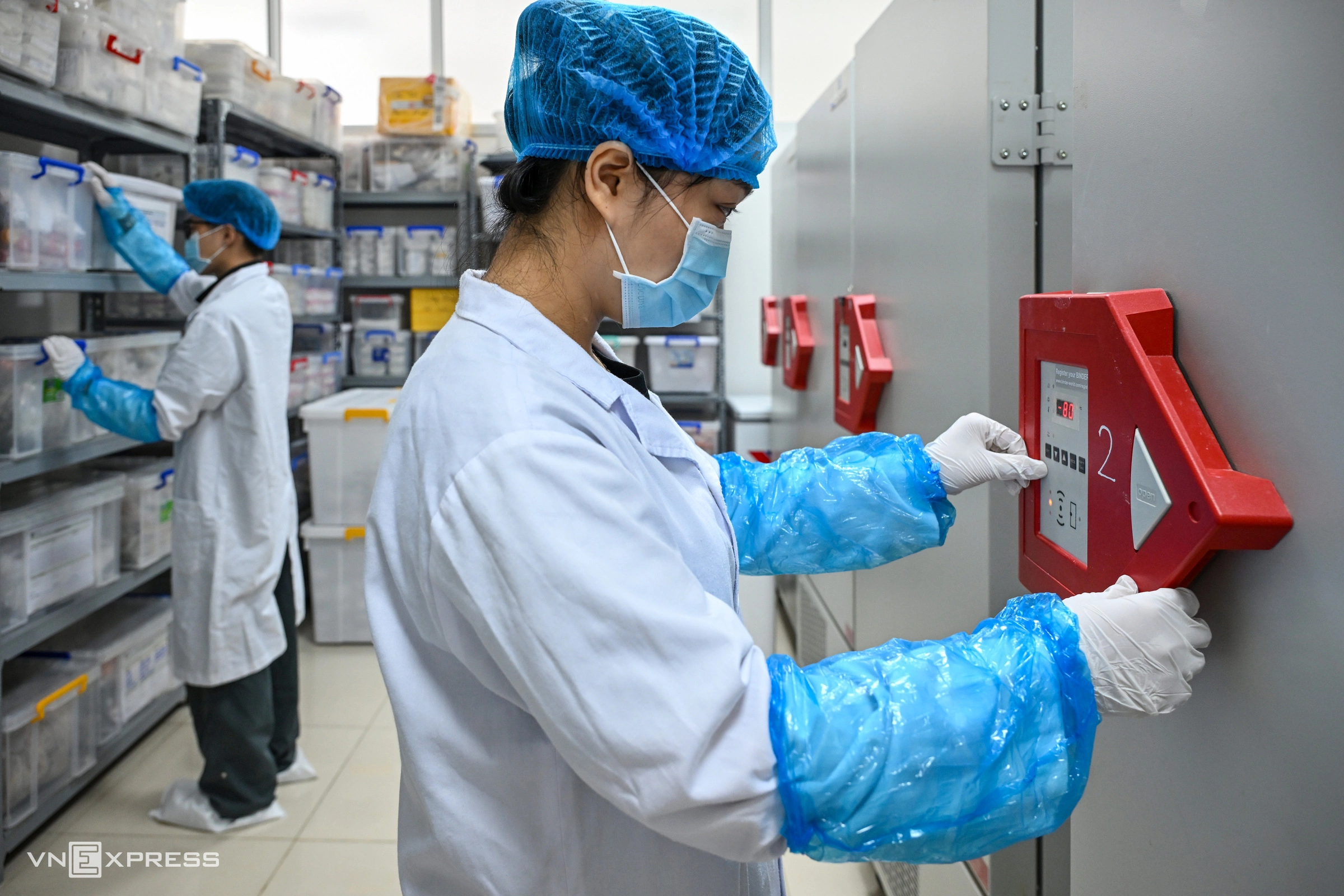
Initially, the Institute was assigned to produce more than 6,600 samples. To date, the number of samples needing verification has exceeded 10,000. Thousands of bone samples are strictly preserved in the specimen storage room. According to experts, building a gene bank is an important step, helping to screen and localize large-scale sample sets, thereby shortening the identification time.
The Vietnam Academy of Science and Technology is one of five units responsible for examining remains in the ongoing 500-day and night campaign to find the identities of martyrs.
Initially, the Institute was assigned to produce more than 6,600 samples. To date, the number of samples needing verification has exceeded 10,000. Thousands of bone samples are strictly preserved in the specimen storage room. According to experts, building a gene bank is an important step, helping to screen and localize large-scale sample sets, thereby shortening the identification time.
Mr. Tran Trung Thanh, Director of the DNA Assessment Center, Institute of Biology (Vietnam Academy of Science and Technology), said the unit is performing three main tasks: storing and preserving samples; Routine DNA testing; and implementing a project to improve forensic capacity funded by the US Government through the International Commission on Missing Persons (ICMP).
"500 days and nights" campaign, from March 15, 2026 to July 27, 2027 with the goal of finding and gathering the remains of about 7,000 martyrs; sampling unidentified graves across the country; At the same time, about 18,000 DNA samples of remains were examined.
Mr. Tran Trung Thanh, Director of the DNA Assessment Center, Institute of Biology (Vietnam Academy of Science and Technology), said the unit is performing three main tasks: storing and preserving samples; Routine DNA testing; and implementing a project to improve forensic capacity funded by the US Government through the International Commission on Missing Persons (ICMP).
"500 days and nights" campaign, from March 15, 2026 to July 27, 2027 with the goal of finding and gathering the remains of about 7,000 martyrs; sampling unidentified graves across the country; At the same time, about 18,000 DNA samples of remains were examined.
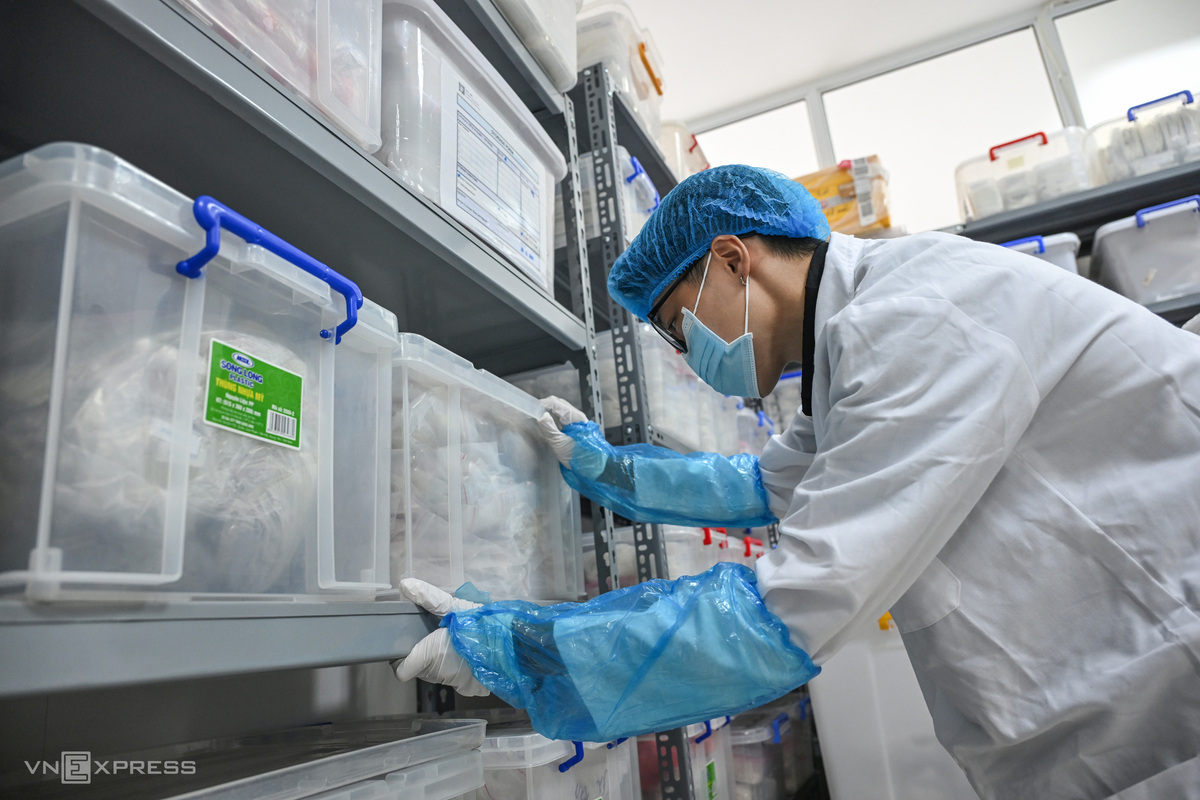
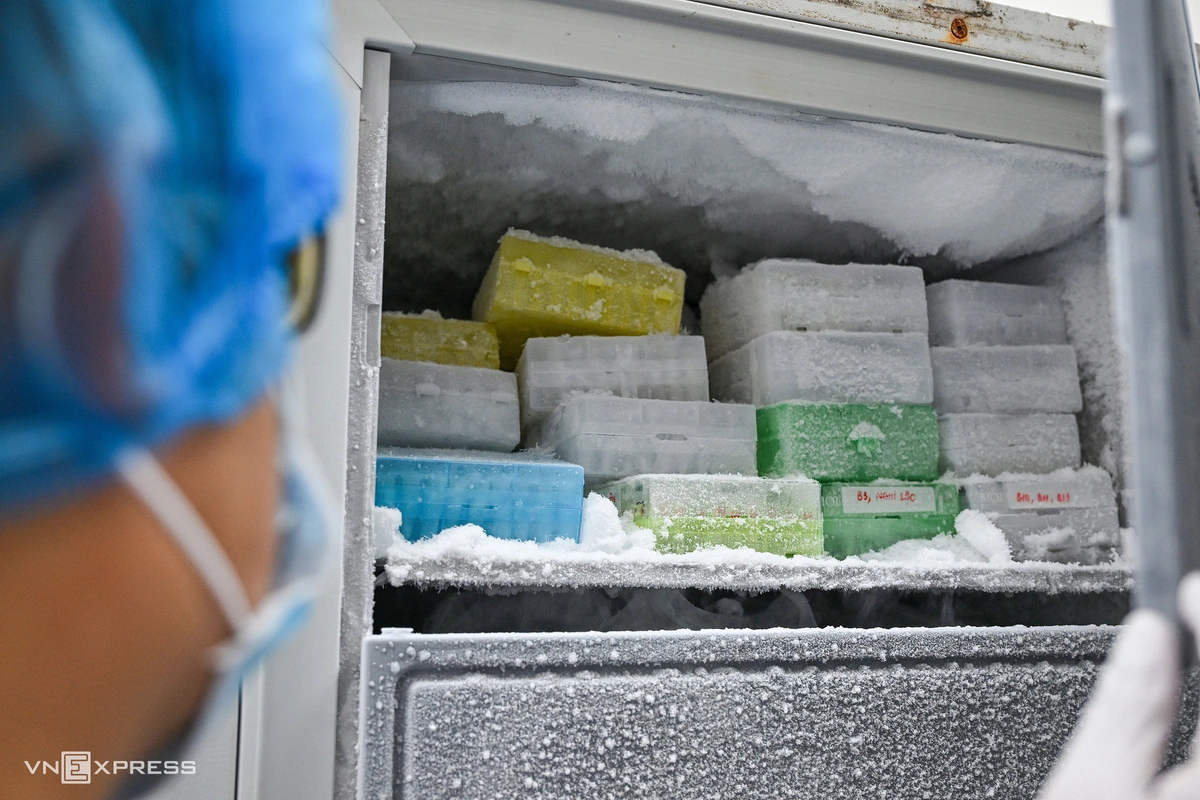
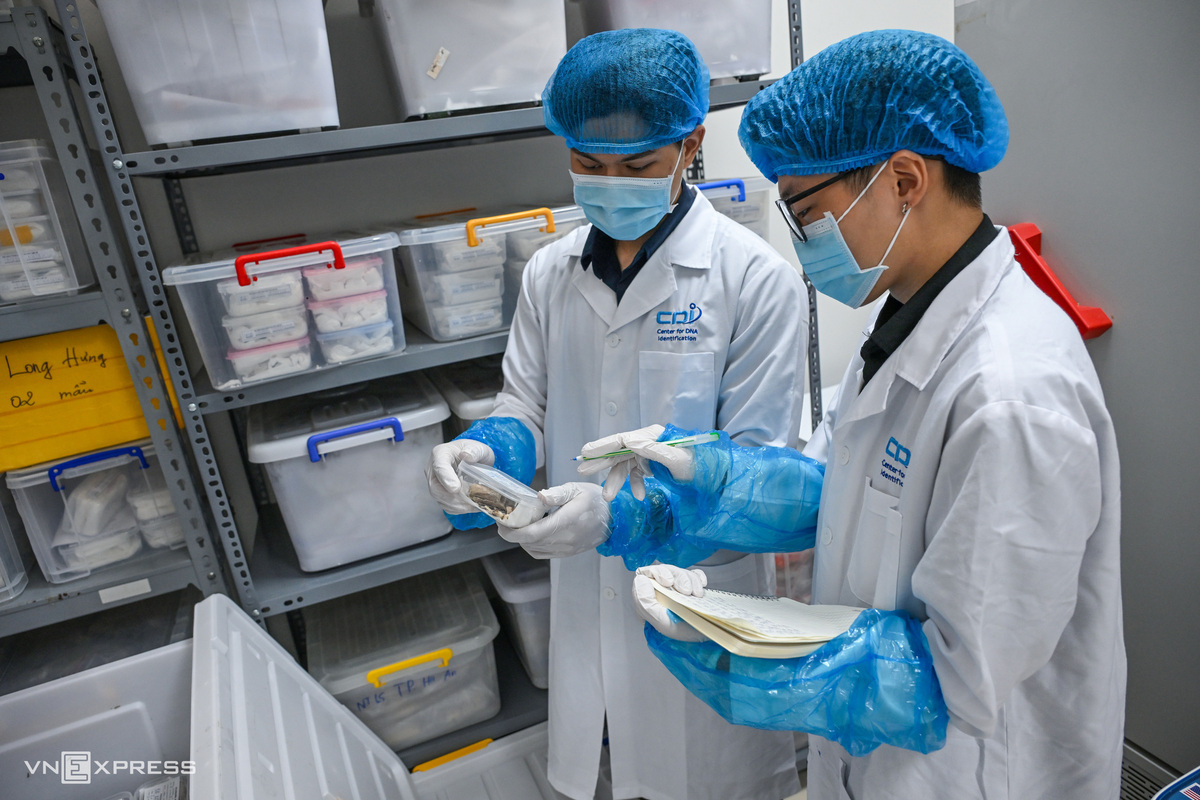
The sample is transferred to the DNA Assessment Center and kept in the Sample Storage Room. Inside this room are thousands of bone and tooth samples... collected from martyrs' cemeteries across the country.
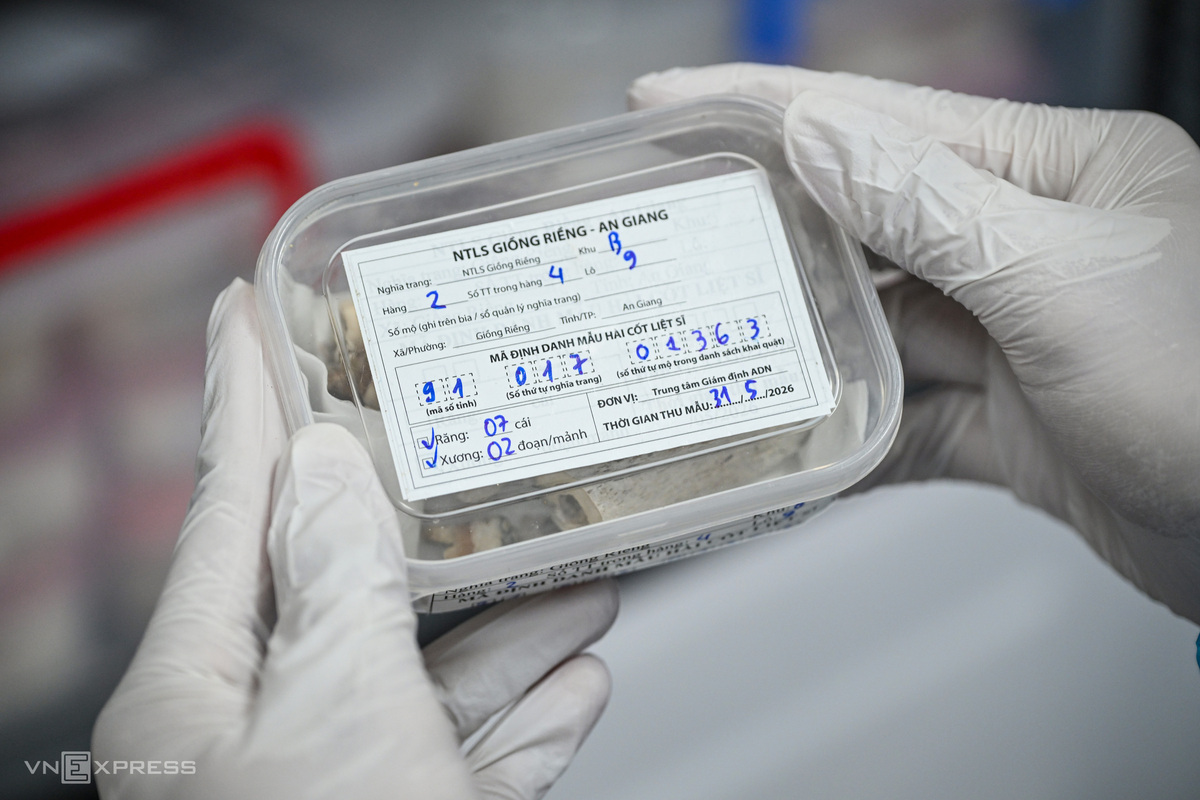
The sample is transferred to the DNA Assessment Center and kept in the Sample Storage Room. Inside this room are thousands of bone and tooth samples... collected from martyrs' cemeteries across the country.
The sample is transferred to the DNA Assessment Center and kept in the Sample Storage Room. Inside this room are thousands of bone and tooth samples... collected from martyrs' cemeteries across the country.
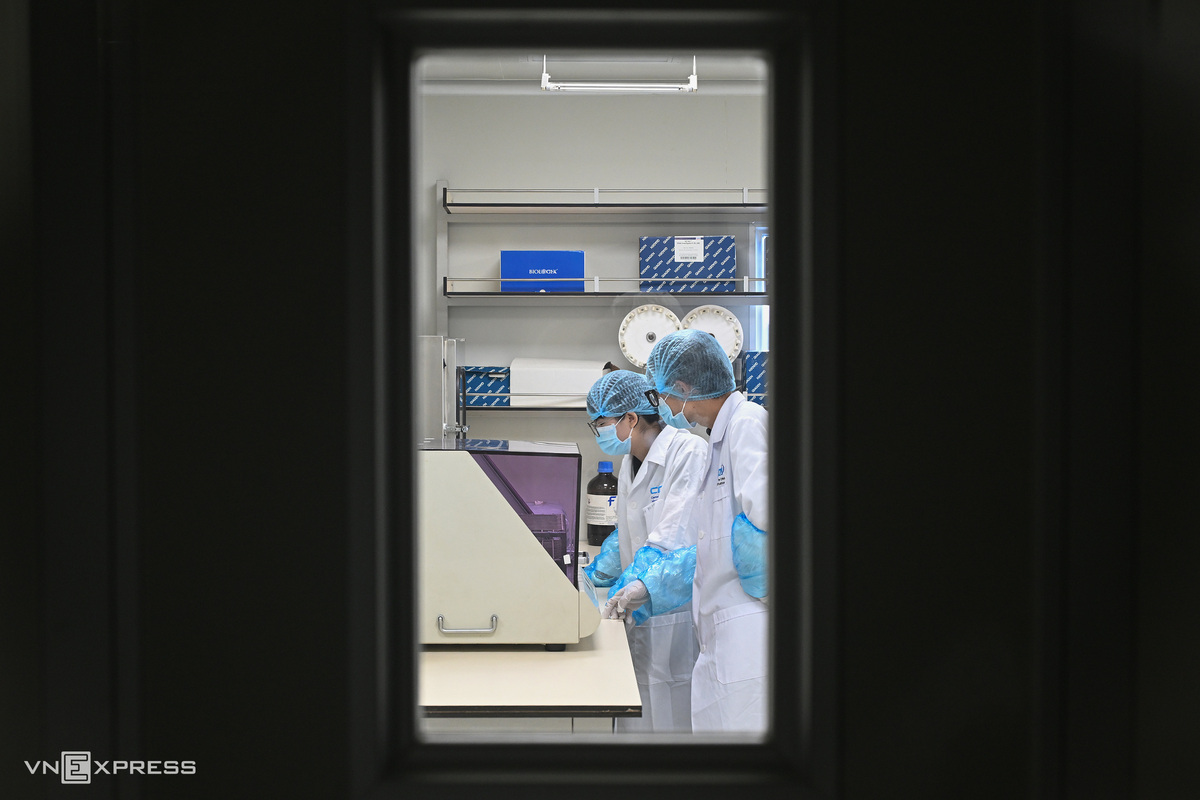
Quality management team members must work in clean rooms with a completely sterile environment so as not to affect the quality of bone samples.
Quality management team members must work in clean rooms with a completely sterile environment so as not to affect the quality of bone samples.
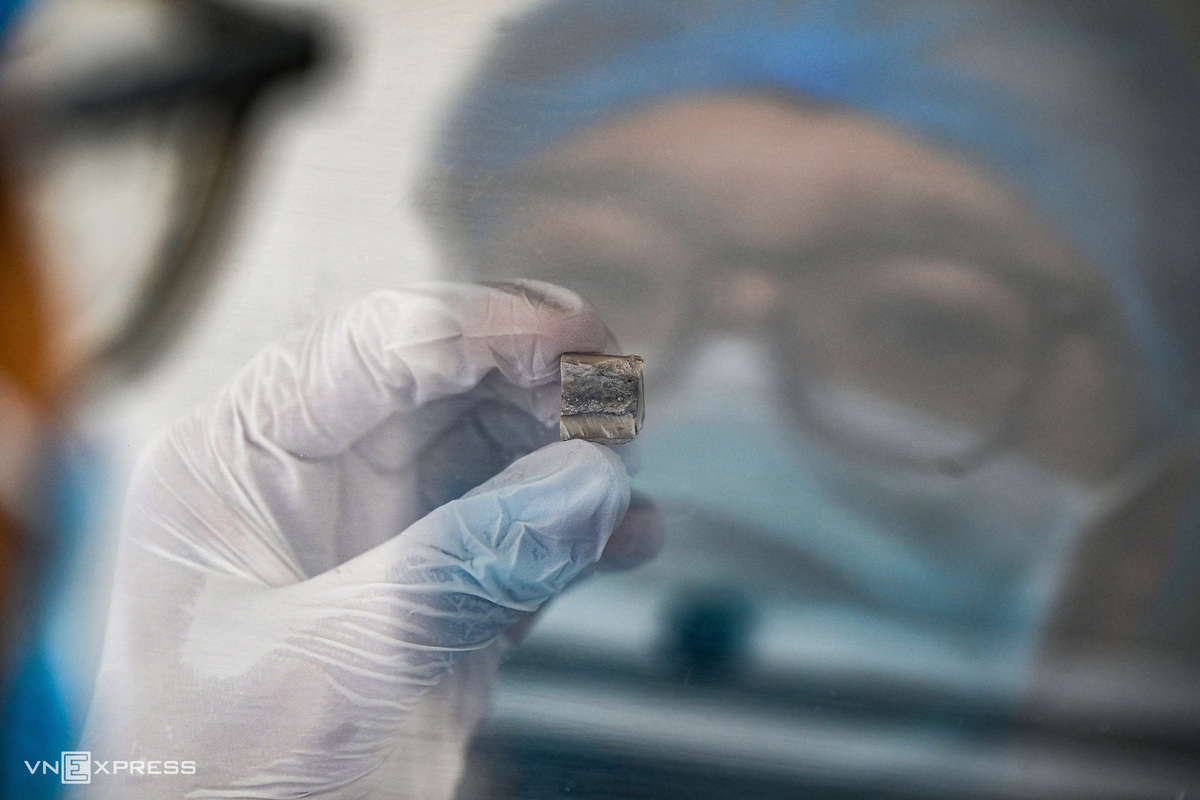
Absolute accuracy is a mandatory standard for each inspection sample.
Absolute accuracy is a mandatory standard for each inspection sample.
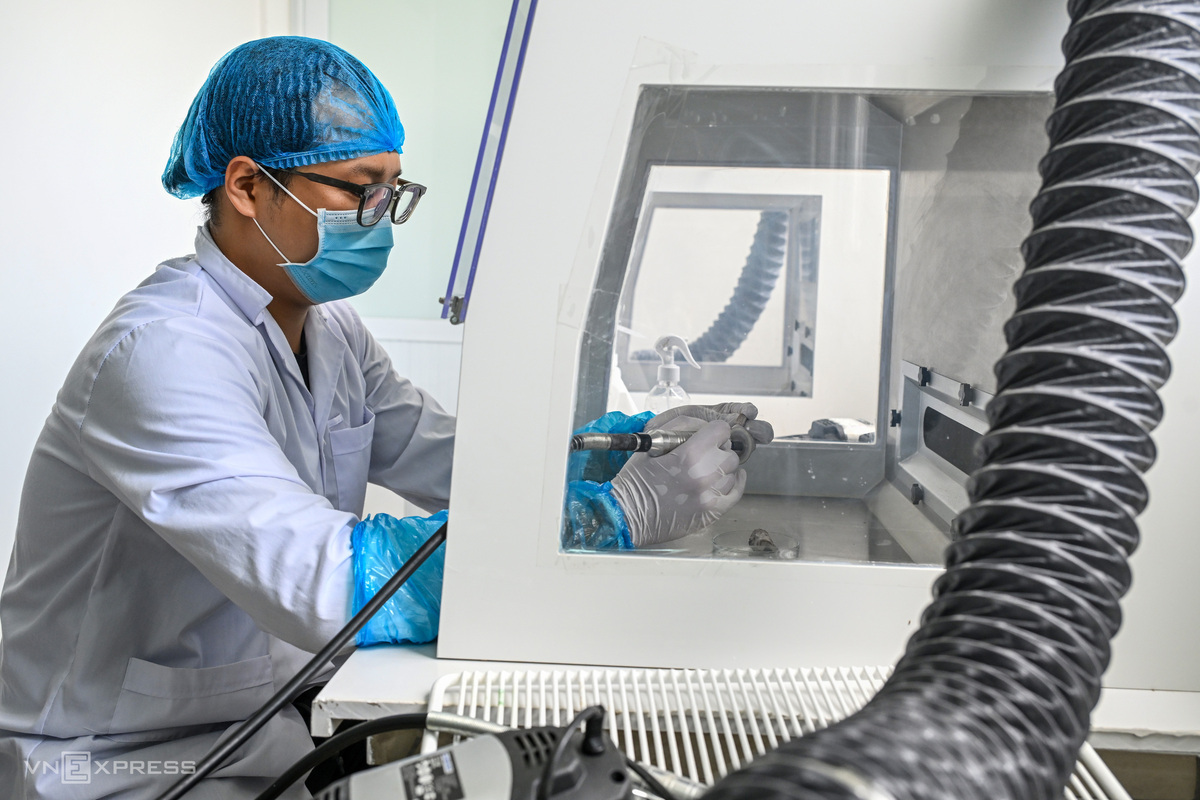
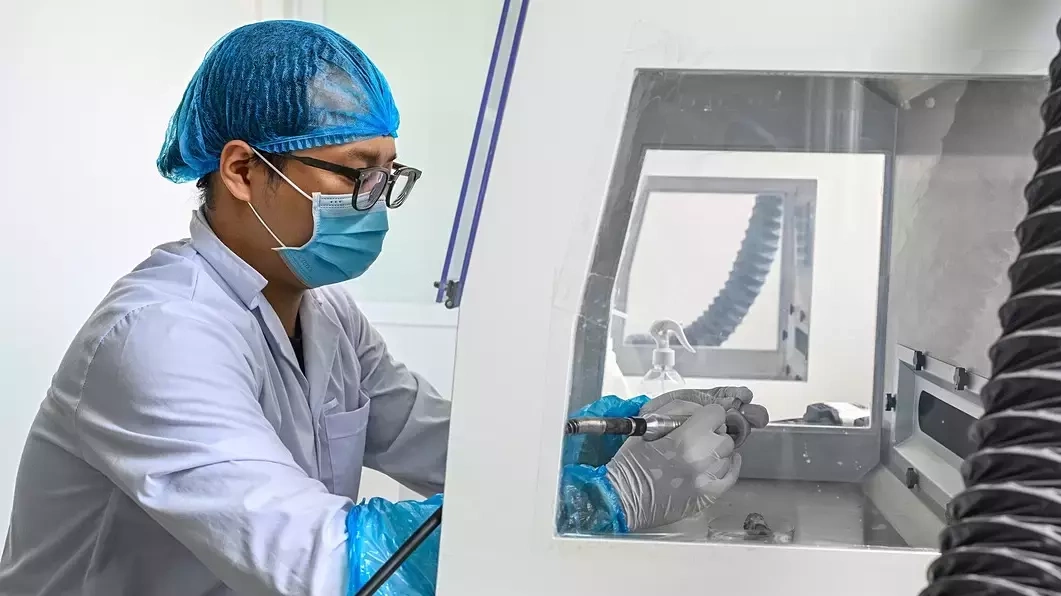
According to Mr. Nguyen Hoang Vu, a member of the quality management team, before DNA extraction, bone samples must be subjected to strict surface treatment to eliminate the risk of contamination.
"Twitter bones, after decades of work, are often calcified or contaminated by soil and bacteria. We have to completely remove the outer layer, only taking the purest bone core to ensure the assessment results are not misleading," Mr. Vu said.
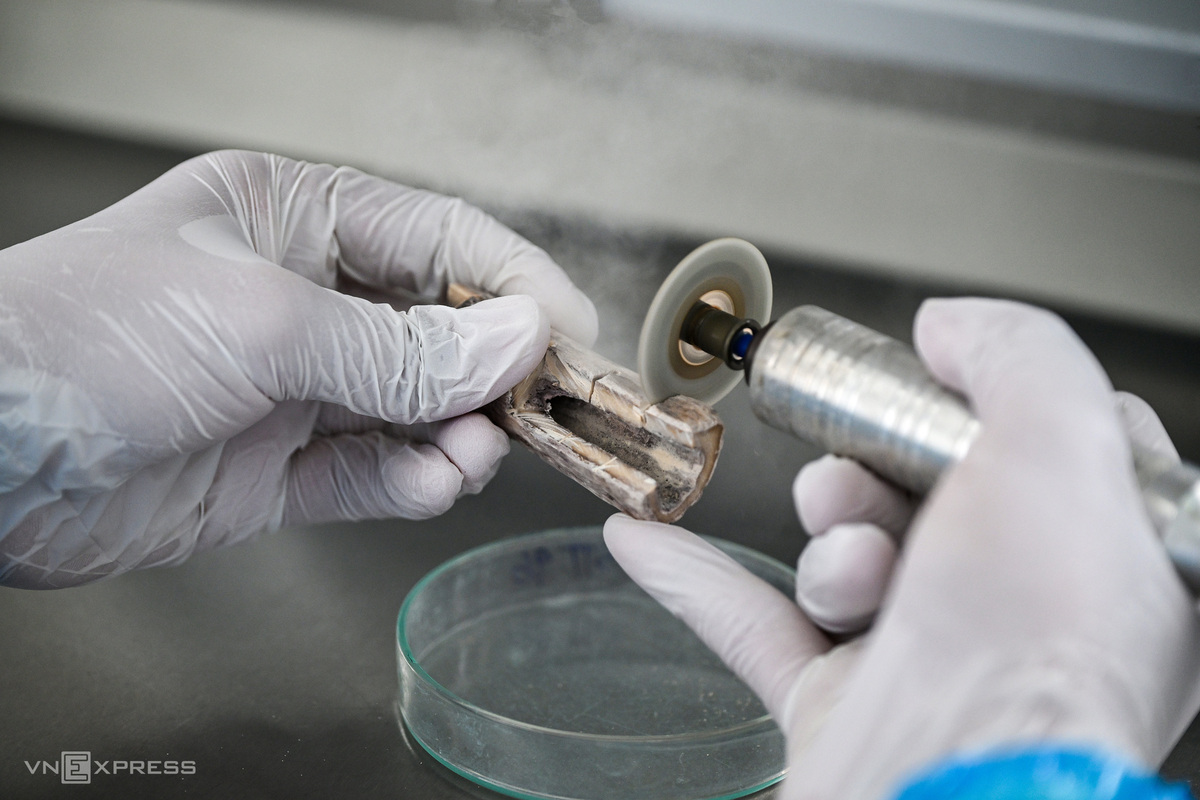
According to Mr. Nguyen Hoang Vu, a member of the quality management team, before DNA extraction, bone samples must be subjected to strict surface treatment to eliminate the risk of contamination.
"Twitter bones, after decades of work, are often calcified or contaminated by soil and bacteria. We have to completely remove the outer layer, only taking the purest bone core to ensure the assessment results are not misleading," Mr. Vu said.
According to Mr. Nguyen Hoang Vu, a member of the quality management team, before DNA extraction, bone samples must be subjected to strict surface treatment to eliminate the risk of contamination.
"Twitter bones, after decades of work, are often calcified or contaminated by soil and bacteria. We have to completely remove the outer layer, only taking the purest bone core to ensure the assessment results are not misleading," Mr. Vu said.
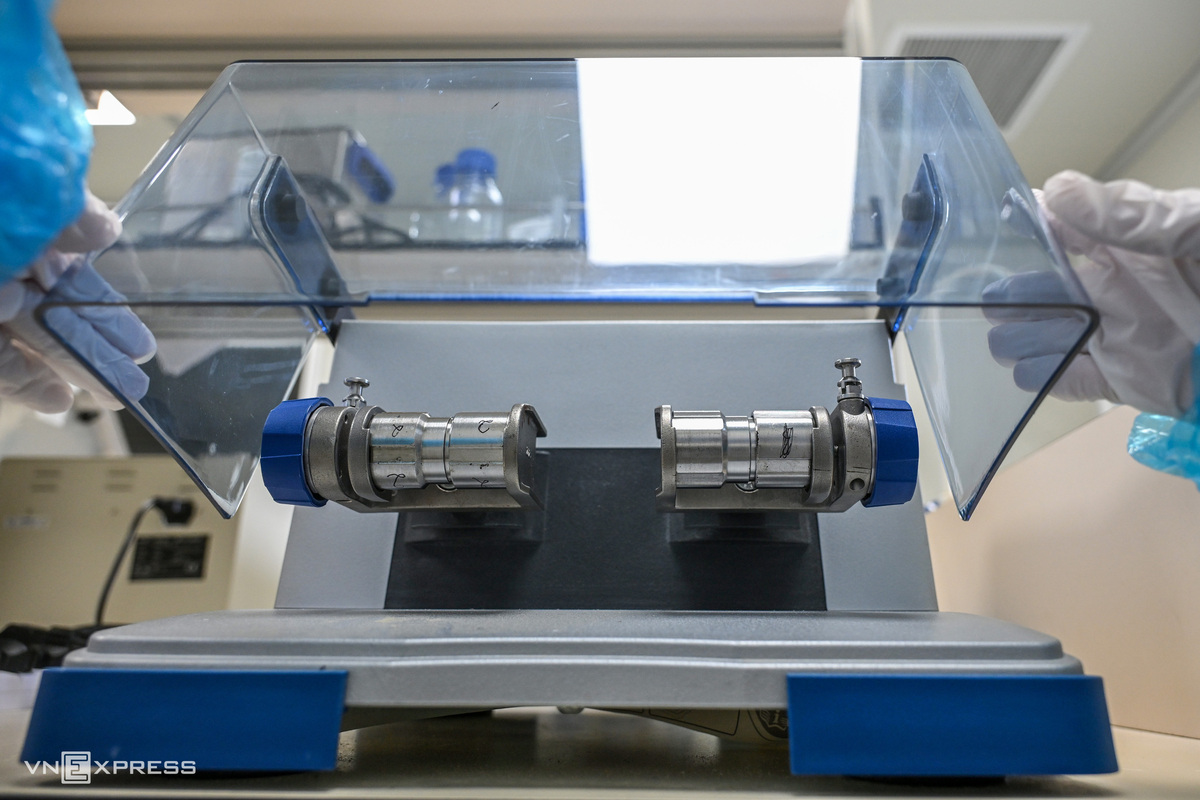
After being cleaned, the bone sample is ground into a fine powder. From here, scientists entered the step that is likened to "finding a needle in a haystack" - extracting DNA from remains that have been underground for 50-70 years.
After being cleaned, the bone sample is ground into a fine powder. From here, scientists entered the step that is likened to "finding a needle in a haystack" - extracting DNA from remains that have been underground for 50-70 years.
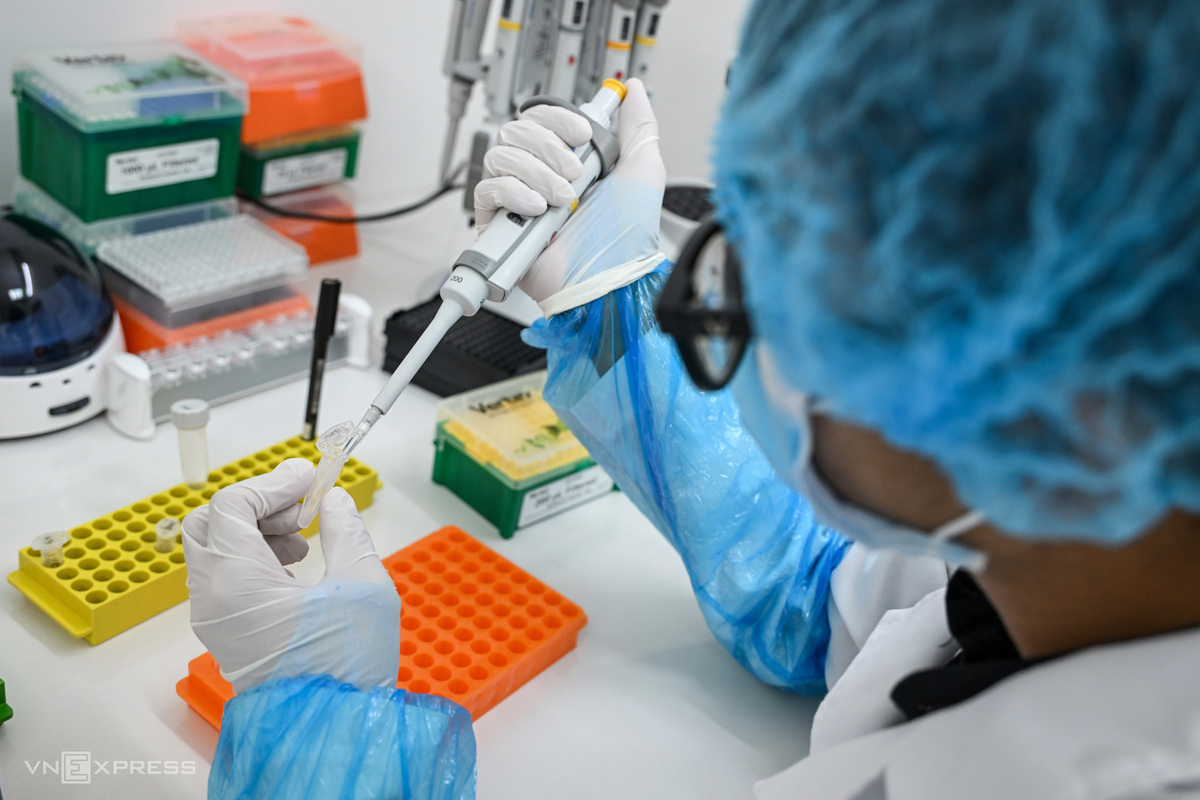
After the preparation stage, the sample is processed through a process including DNA extraction, quantification, gene library construction, sequencing and bioinformatics analysis. In the final step, the DNA data of the remains is compared with samples from relatives to determine blood relationships.
To avoid confusion, the DNA Assessment Center built a completely digital sample management system. Each sample of remains, when received, is given a unique identification code, along with a picture of its current condition and all technical specifications. The system allows tracing the entire sample processing process, from receiving, grinding bones, extracting DNA to sequencing genes and returning examination results.
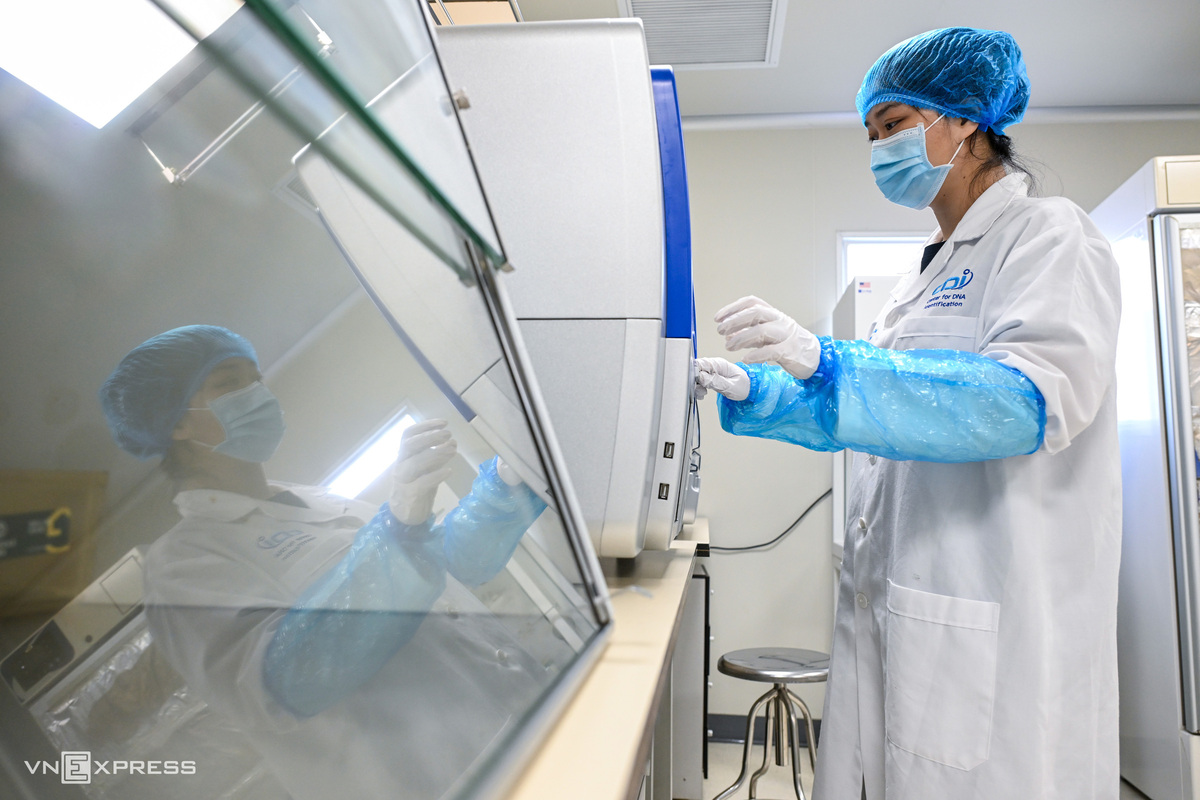
The bone sample is being put into an automatic DNA extraction machine. After lysing the sample, the lysate will be centrifuged and transferred into this system to extract and collect DNA.
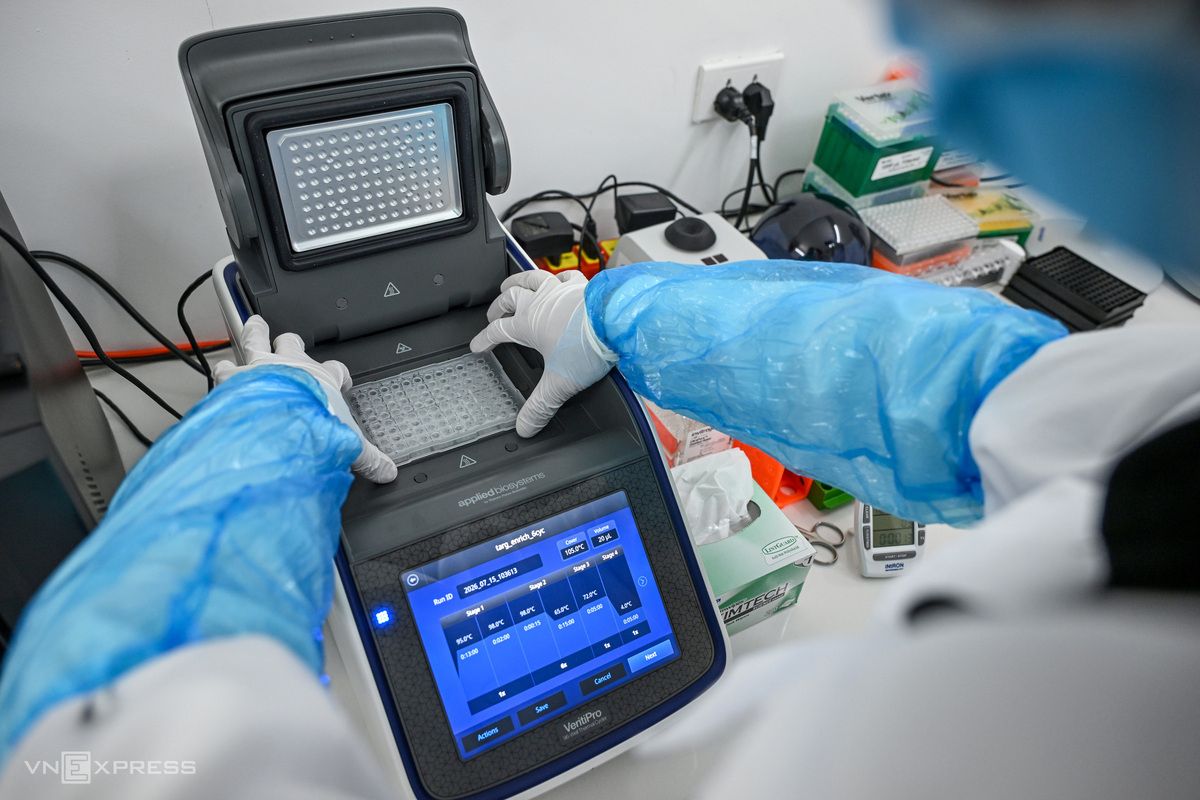
The sequencing system receives library-built DNA samples and enriches target DNA with a specialized chemical kit. This technology allows sequencing short, degraded DNA segments and analyzing thousands of genetic markers across the entire human genome, thereby improving the ability to determine blood relationships, even with distant relatives.
The bone sample is being put into an automatic DNA extraction machine. After lysing the sample, the lysate will be centrifuged and transferred into this system to extract and collect DNA.
The sequencing system receives library-built DNA samples and enriches target DNA with a specialized chemical kit. This technology allows sequencing short, degraded DNA segments and analyzing thousands of genetic markers across the entire human genome, thereby improving the ability to determine blood relationships, even with distant relatives.
While the Institute is responsible for examining remains, the Ministry of Public Security conducts examination of relatives to include in the data bank.
After receiving results from both sides, the Ministry of Public Security will compare and send them back to specialized units to make a final conclusion, which will serve as a basis for the locality to notify the martyrs' families.
While the Institute is responsible for examining remains, the Ministry of Public Security conducts examination of relatives to include in the data bank.
After receiving results from both sides, the Ministry of Public Security will compare and send them back to specialized units to make a final conclusion, which will serve as a basis for the locality to notify the martyrs' families.
Giang Huy