SK Hynix CEO: Memory chip crisis will peak in 2027
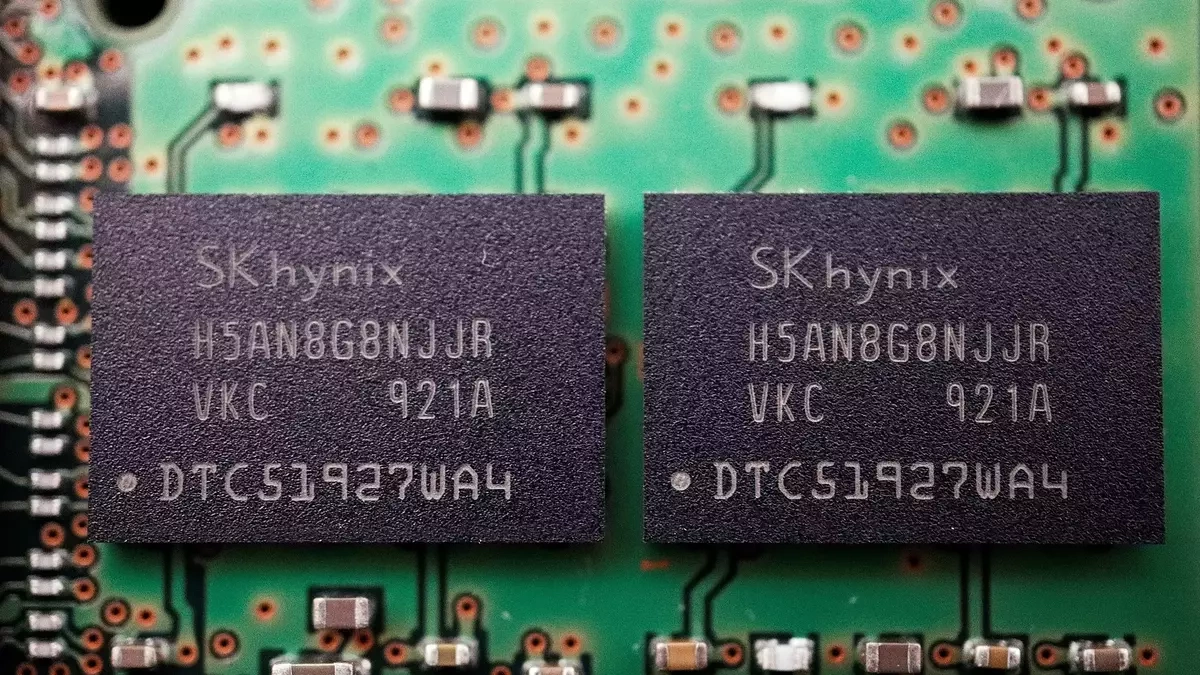
"We expect next year to be the worst year in the history of the semiconductor industry from a supply perspective. Customer demand will still exceed our production capacity, even after 2030," Mr. Kwak Noh-jung told Reuters over the weekend.
The comment was made after the Korean memory chip company completed a historic IPO on the US stock market on July 10. SK Hynix successfully raised 26.5 billion USD, marking the largest initial public offering of shares by a foreign enterprise in the US. In the afternoon trading session of the same day on the Nasdaq, the company's shares increased sharply by 13.3%, reaching 168.85 USD.
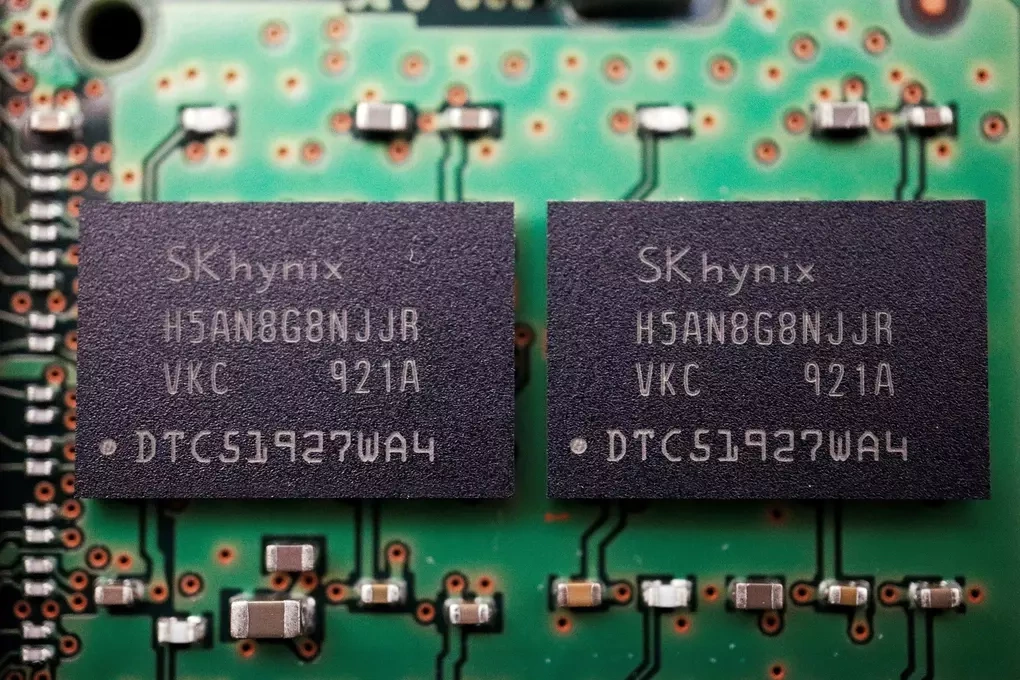
SK Hynix is currently one of the core links of the global AI supply chain thanks to its leading position in developing HBM high-bandwidth memory - an indispensable component in AI acceleration processors.
The cause of the supply crisis stems from AI data centers constantly "swallowing" memory chip output. Compared to conventional DDR5 DRAM on personal computers, HBM memory chips require a more complex manufacturing and packaging process and consume more wafers per unit of product, but are more profitable. Therefore, manufacturers prioritize lines for AI chips, indirectly pushing the traditional memory chip market into a state of scarcity.
Not only SK Hynix, compatriot Samsung and American rival Micron also made similar predictions. Investment bank UBS believes that the global DRAM market will maintain a supply shortage at least until the second quarter of 2028. Meanwhile, Nvidia confirmed that the AI memory shortage will last for many years.
To cope, semiconductor giants are racing to expand factories on an unprecedented scale. In Korea, SK Hynix and Samsung are participating in the government's super project to double the nation's memory chip output in the next 5 years, with an investment of up to 400,000 billion won (266 billion USD) each. In the US, SK Hynix is investing $4 billion to build an advanced chip packaging factory in Indiana. Micron Company has also just upgraded its investment plan in the US to more than 250 billion USD from now to 2035 in response to President Donald Trump's wave of semiconductor localization.
CEO Kwak Noh-jung revealed that SK Hynix is considering building a new wafer factory abroad to optimize costs and infrastructure. "If the conditions of land fund, electricity, water and skilled labor are met with competitive costs, the US, Japan and Southeast Asia are all on our consideration list," he said.
Tom's Hardware cited a report from TrendForce showing that DRAM contract prices in the third quarter of 2026 are expected to increase from 15% to 18%. This increase cooled down significantly compared to previous quarters, signaling that the market is moving towards a new stable state, but still anchored at very high prices.
Huy Duc