Cheap smartphones are 'dying'
"Last year, the average smartphone price was $450, and this year, we predict it will increase to $581," Nabila Popal, senior research director for global devices at consulting firm IDC, told Fast Company.
According to Rest of World, global phone prices increased by 15% during the year when new models were even 25% more expensive than last year. The increase in each region was not the same, with India increasing 21%, Asia-Pacific 19%, Middle East and Africa 18%. In the US, smartphone prices increased by 5%.
IDC data shows that by 2025, more than a quarter of smartphones sold globally will cost $150, of which 173 million will cost less than $100. However, this year's output decreased significantly. In the second quarter of 2026, the segment under 100 USD decreased by nearly 60% compared to the same period last year, and is expected to decrease even more strongly in the second half of the year.
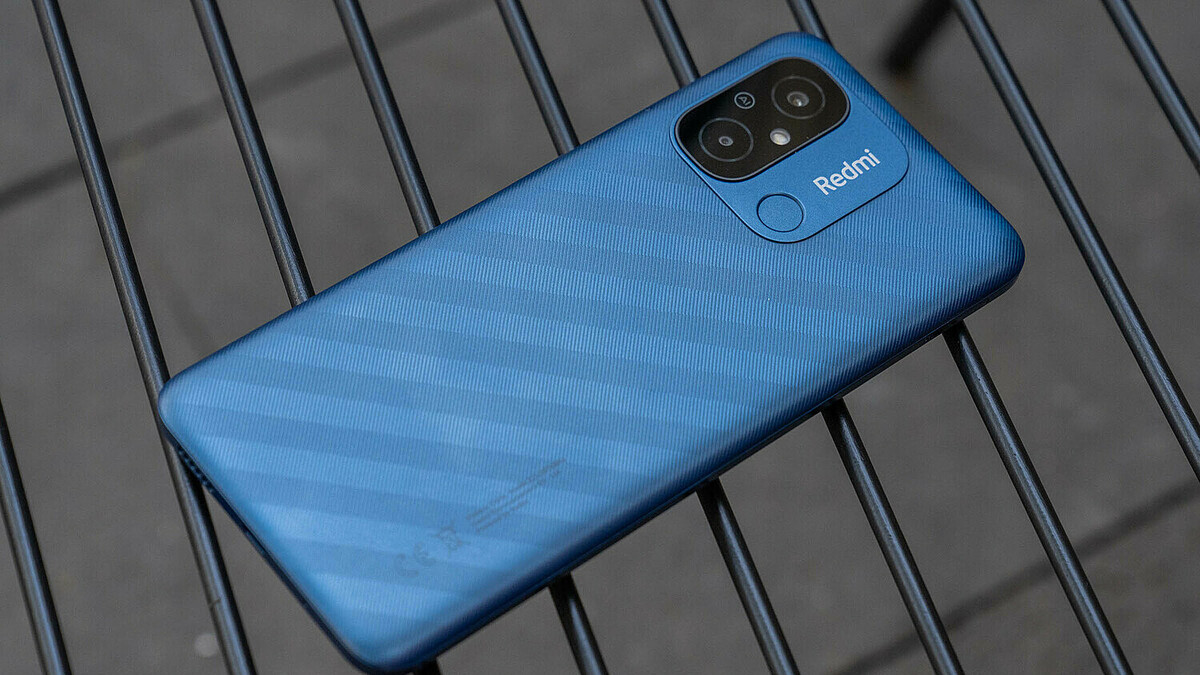
According to research company Omdia, in India, Xiaomi increased the price of the Redmi 15C 128 GB phone by 36%, from about 130 USD when launched late last year to 180 USD in June. In Southeast Asia, Oppo reduced the number of phones under 100 USD by 96%, while Vivo also raised the price of its flagship popular model to more than 100 USD in most markets. In Africa, phones under 100 USD shipped in the second quarter of 2026 decreased by 34% compared to the same period last year. This area is inherently a large market for low-cost smartphones when 81% of products sold last year were priced under 200 USD.
"Models that used to cost less than $150 may be gradually moving to less than $250, even $300," said Ivan Lam, senior analyst at research firm Counterpoint. According to him, it is very difficult for prices to return to how they were before 2025.
Many experts explain that the rising price trend stems from the wave of AI data center construction. These centers create huge demand for memory chips, leading to a scarcity of components used in smartphones and pushing up prices.

Samsung Electronics, SK Hynix and Micron Technology are the world's three leading memory chip manufacturers, accounting for more than 90% of the global market share. "By the end of 2025, all three will shift most of their supply to AI hubs instead of consumer electronics, leaving many companies struggling to source inventory," Ramon Llamas, director of mobile device research at IDC, explained to Rest of World, adding that the shortage is unlikely to ease in the short term.
Omdia's data shows that in the period from the third quarter of 2025 to the first quarter of 2026, the proportion of costs for memory chips in devices under 400 USD has nearly doubled, accounting for 60% of the total device component cost. Even in the super cheap segment under 99 USD, storage components account for 64% of the production budget. When memory consumes up to 2/3 of the hardware value, manufacturers have almost no budget left to pay for processor chips, screens, batteries, camera sensors or chassis.
According to Tom's Hardware, in previous market cycles, manufacturers often compensated by cutting other components. However, cheap phones from Chinese "configuration kings" such as Xiaomi, Oppo, Vivo, and Transsion have already been cut to the maximum.
Therefore, according to expert Zaker Li at Omdia, companies have to increase the price of popular smartphones to maintain extremely small profits. But because ordinary customers are price sensitive, a phone suddenly increasing from 150 to 220 USD will cause shopping demand to disappear. Faced with that reality, many big companies quietly withdrew from the market, stopping production of super cheap machines to focus on segments that bring better profits.
Analyst Lam commented similarly. He said that Chinese smartphone companies are the leaders in low-cost, multi-featured devices and account for 60% of the total number of smartphones shipped in the world. But this year, they sharply reduced the number of projects in the popular segment due to increased chip prices. Instead, they prioritize high-end devices, putting more resources into products with high profit margins, branding, user experience and AI.

Experts say that the consequences from the wave of price increases could be very serious, not only affecting those who plan to switch to cheap phones. For people who don't have smartphones, price increases could make it harder for them to buy them, leading to difficulty accessing the Internet as more and more essential services move online.
The Global Mobile Communications Systems Association (GSMA) forecasts that the world will add nearly 800 million mobile Internet users by 2030. However, according to Claire Sibthorpe, head of digital inclusion at the association's non-profit foundation, rising smartphone prices could affect this forecast and increase the digital inequality gap.
"We are living in an increasingly digital world. Technologies like AI are growing rapidly, creating greater digital divide and inequality. Parties enhance AI to grant access to important services, but people cannot benefit without an Internet-connected phone and cannot get online," Sibthorpe said.
According to GSMA's September report, smartphone prices are still a major barrier when low-income people want to access the Internet. A common product costs the equivalent of 44% of the monthly income of the poorest 20% of the population, or even 76% of people in sub-Saharan Africa. For many people, the increase in income is difficult to keep up with the sudden increase in smartphone prices.
"When smartphones are still available but too expensive, consumers have to struggle to stay connected online. They postpone upgrades, borrow and share devices, continue to use older phones, or stop going online when they can't replace broken or stolen devices. In many cases, that means they no longer have a device that can connect to the Internet," concluded Claire Sibthorpe, head of digital inclusion at the GSMA foundation.