The American company wants to illuminate the Earth with a giant mirror
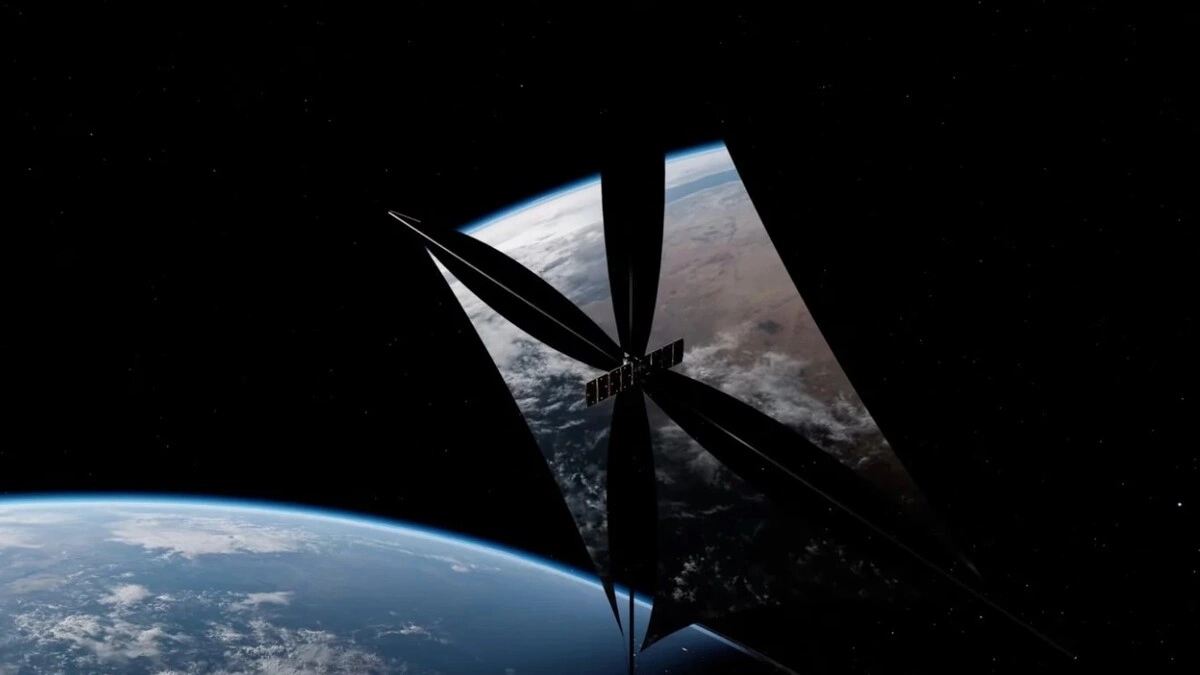
According to PC Mag, on July 9, the US Federal Communications Commission (FCC) licensed startup Reflect Orbital, based in California, to launch and operate the Earendil-1 test satellite in low Earth orbit. It is expected that the light reflected from this satellite will cover an area about 4.8 km wide on the ground.
The Earendil-1 satellite will test Reflect Orbital's technology of reflecting sunlight back to Earth with an adjustable thin-film reflector, measuring about 18.3 m x 18.3 m. Earendil-1 will help solar farms operate at night, illuminating construction sites or natural disaster areas after dark to support rescue work.
Reflect Orbital hopes to launch 1,000 larger satellites by the end of 2028, and another 5,000 by 2030. The largest mirrors will be nearly 55 meters in diameter, reflecting 100 times more light than a full moon. The company aims to operate more than 50,000 satellites by 2035, forming a network of mirrors surrounding the Earth.
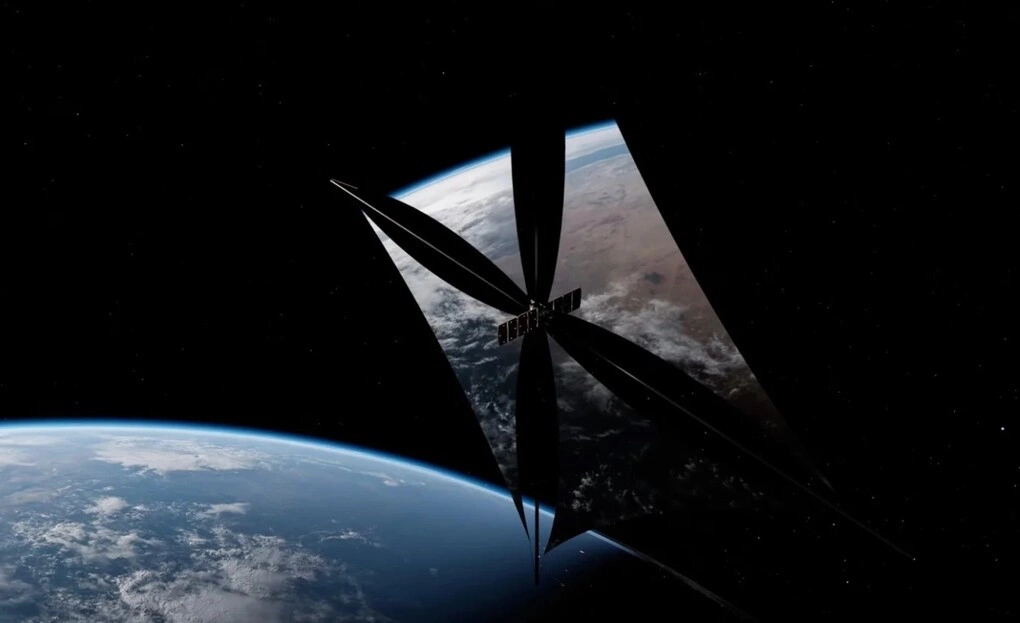
This proposal is facing strong opposition from environmental protection organizations and astronomers due to concerns that the satellite will cause light pollution. The FCC received more than 1,800 public comments on the license application, many opposing Reflect Orbital's Earendil-1 deployment plan.
According to Tom's Hardware, astronomers criticize the project as making it more difficult to observe the sky at night, and could even endanger highly sensitive equipment and dazzle telescope users. Tony Tyson, science director of the Vera C. Rubin Observatory, commented that the plan to illuminate the ground with mirrors in orbit is more harmful than SpaceX's Starlink satellite constellation. The European Southern Observatory (ESO), which operates multiple telescopes in the Chilean desert, said the full deployment of Reflect Orbital's satellite network "would increase the sky background brightness at its facilities three to four times, limiting the telescope's ability to detect faint objects."
In addition to hindering astronomers from surveying the night sky, environmentalists are also concerned that artificially extending lighting hours could disrupt the day-night cycle of organisms from plants and animals to humans.
However, the FCC still granted the satellite launch license and emphasized that the license was only for a single test satellite to test a technological initiative that could enhance America's position in space. Reflect Orbital said it plans to launch Earendil-1 later this year.
According to the New York Times, Ben Nowack, co-founder and CEO of Reflect Orbital, said their satellite could become a tool to help reduce fossil fuel burning, thereby slowing climate change. Reflect Orbital's solution will contribute to overcoming one of the biggest weaknesses of solar energy, which is that electricity production stops when the Sun goes down. Additionally, satellites carrying reflectors could speed up construction projects, allowing crews to work more safely at night, and farmers to grow more food per hectare of land.
This isn't the first time the idea of reflecting sunlight back to Earth at night has been put to the test. In 1993, a Russian satellite equipped with a mirror about 24 meters wide reflected a narrow beam of sunlight across the planet in an experiment to extend daylight hours in Siberia. However, Russia abandoned the project less than a decade later when a subsequent test flight failed.