UAV maker proposes 'key' to strategic technology
The preliminary conference summarizing one year and six months of implementing Resolution 57 on breakthroughs in science and technology development, innovation and national digital transformation was held on July 1 in Hanoi.
Talking to VnExpress, Mr. Luong Viet Quoc, founder and Director of Realtime Robotics - a UAV business present at the Conference, said they want to have a mechanism for the State to order, purchase and use strategic technology products researched and produced by domestic enterprises. State support for output will help businesses accelerate and expand their scale, "turning national champions into world champions".
"The biggest difficulty for us today is the lack of resources to accelerate. With the State ordering, Realtime Robotics will have resources to expand production capacity, reinvest in research and development and dominate the international market even faster," he said.
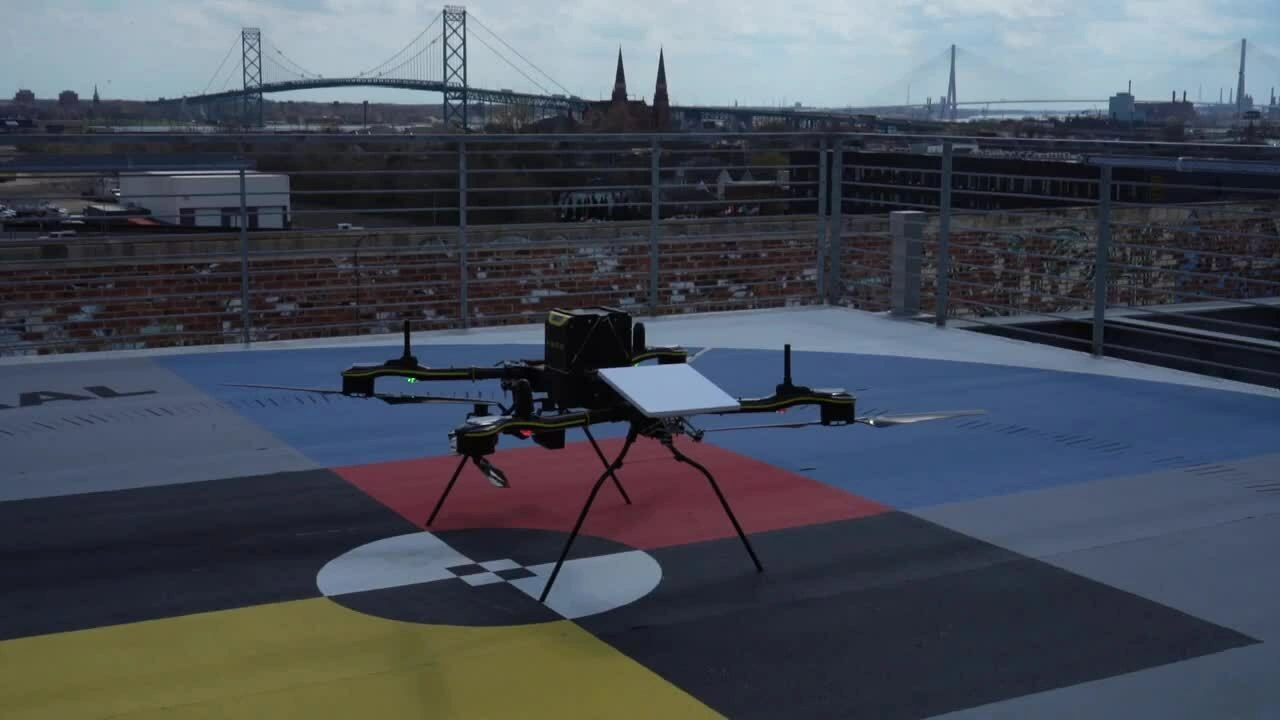
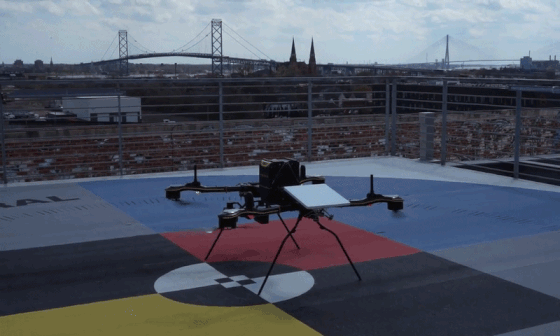
At the end of June, Realtime Robotics' Hera became the only Asian UAV product exempted from the US import ban, allowing civil and defense use. Aerial vehicles are often considered sensitive products that affect national security, but according to Mr. Quoc, Hera is exempt due to its technological advantages compared to other UAVs such as the ability to fold 14 times faster than when flying, maneuverable but with a large load, and an anti-vibration system that can carry two cameras.
"The product has been tested by the most stringent G7 market and meets Vietnam's needs well. On the other hand, through purchasing orders, the State indirectly invests in production capacity and domestic R&D team to continue to have world-competitive inventions and technologies," Mr. Quoc said.
From China's lessons with businesses DJI or BYD, he proposed that the State prioritize ordering products and technologies that have proven their capabilities in strict markets like the OECD. At the same time, the State can support from the first step of research, development and commercialization of strategic technology products approaching world competitiveness. However, support needs to come with a roadmap for creating inventions, upgrading technological autonomy, and avoiding the situation where businesses become dependent or take advantage of policies.
"The destination is still the best products, globally competitive," the founder of Realtime Robotics affirmed.
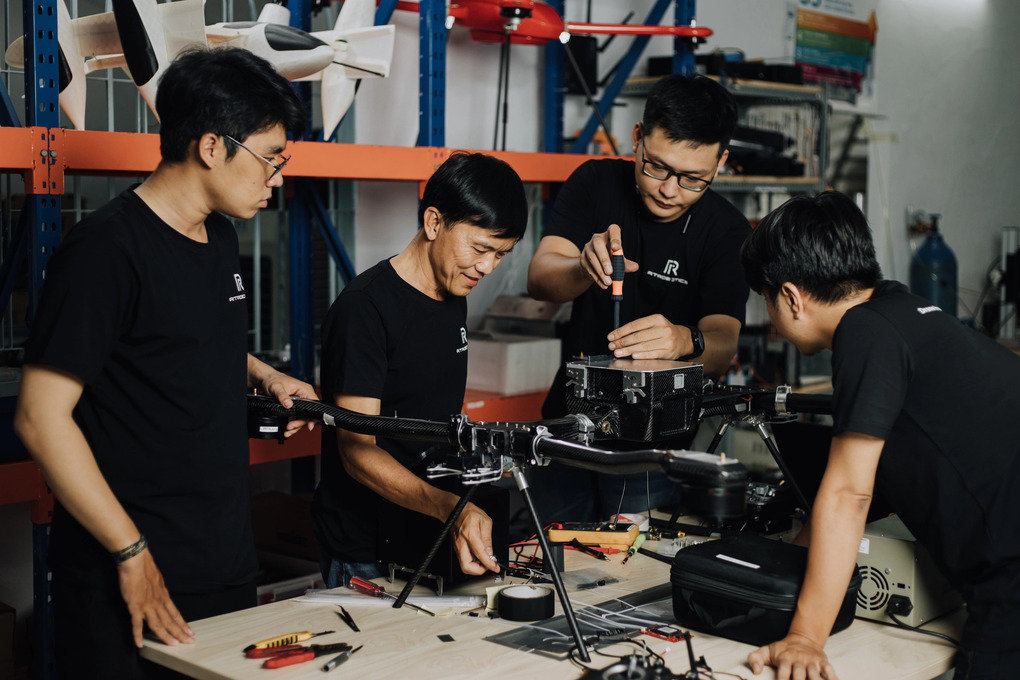
Regarding solutions to accelerate technology research and development, Realtime Robotics believes that businesses need to cooperate with universities and research institutes to take advantage of in-depth research human resources. Especially in interdisciplinary technologies such as UAVs, businesses cannot maintain an internal R&D team covering all fields such as electromechanics, lasers, and batteries.
According to him, in technology development research, the State and businesses can co-finance, reduce financial risks and jointly invest in domestic research capacity. However, the bottleneck with state-funded research is the management mechanism based on spending norms - clearly defining funding for items and having a ceiling for personnel. From experience in cooperation with Ho Chi Minh City National University, he believes that a more suitable mechanism is contracting based on results - determining resources, output products, and completion deadlines, allowing the research team to have more autonomy in operations.
"Three-party cooperation is a real need, businesses really need the knowledge of a team of experts. However, the old investment and procurement mechanism can slow down the speed of research projects, while strategic technology competition requires moving very quickly, dominating market demand," Mr. Quoc emphasized.
At the Preliminary Conference, General Secretary and President To Lam requested to focus resources on mastering and developing strategic technologies into specific products, especially artificial intelligence, big data, robotics and automation, biological and biomedical technology, materials and energy, semiconductor chips, network security, quantum technology, unmanned aerial vehicles (UAV), marine, ocean and underground technology.
According to the head of the Party and State, science, technology, innovation and digital transformation have been identified as the main driving forces to innovate the development model, improve productivity, competitiveness, governance effectiveness and national autonomy. Institutions have been gradually improved, many bottlenecks have been removed.
However, the General Secretary and President assessed that there are still many limitations in institutions, infrastructure, human resources, data, network security, information safety and capital disbursement. Actual results are not commensurate with resources and political determination, and have not created many specific strategic products. "The current weakest step is implementation organization," the conclusion stated.
Nam Nguyen