Japan successfully launched and landed a reusable rocket
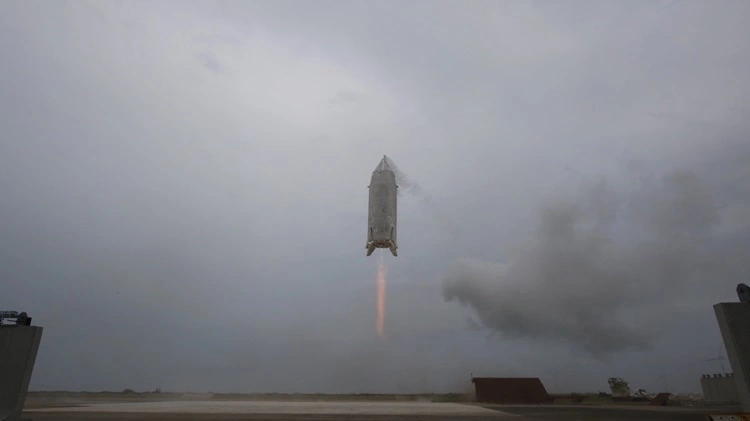
According to AP, the RV-Twitter rocket left the launch pad and hovered before landing in a flight lasting less than a minute on July 11 at the Noshiro Test Center of the Japan Aerospace Exploration Agency (JAXA) in northeastern Japan. In an online press conference from the test center, Takashi Ito, JAXA's reusable rocket project manager, said the vehicle launched 11 meters high, moved 16 meters horizontally and landed vertically as planned. The test took place a day after China successfully recovered the first stage of the rocket after launch with a net and cable system attached to a floating platform at sea.
Japan is looking to catch up with technology used by Elon Musk's US aerospace company SpaceX in the past few years to reduce the cost of launching goods into space. The test flight on July 11 marked the country's progress in the process of developing the technology needed to develop a cheaper successor to the current H3 single-use missile. Japan's H3 rocket is designed to be more cost-effective than the previous H-2A series, which had a near-perfect launch success rate but still needed to reduce costs to compete in the global space market.
JAXA and Mitsubishi Heavy Industries cooperated to develop the RV-Twitter test rocket with a diameter of 1.8 meters and a length of 7.3 meters, equipped with a high-durability engine and four shock-absorbing landing gears. This rocket's engine has undergone 165 combustion tests. JAXA plans to take the RV-Twitter rocket to an altitude of about 100 meters in future test flights.
According to AFP, most missiles are designed for single use with parts falling into the sea, burning up in the atmosphere or remaining in orbit as debris. The first stage is often considered the most expensive part of the rocket. Therefore, deploying partially reusable rockets will significantly reduce launch costs. SpaceX has been operating reusable Falcon 9 rockets since 2017.