American humanoid robot performs surgery for the first time
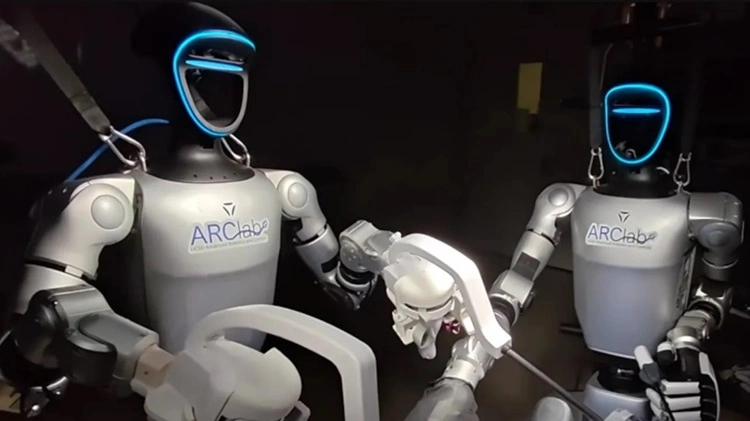
According to Interesting Engineering, a research team at the University of California, San Diego (UCSD), USA, used a remote-controlled humanoid robot to perform two surgeries with large non-primate mammals. Surgeries including gallbladder removal were performed by one doctor with an assistive robot, while the other was performed by two robots working together. According to the research team, this success shows the potential of remote-controlled humanoid robots in the operating room with many diverse applications. Current robotic surgical systems are very specialized, often having 3-4 arms, proprietary software, and their own surgical instruments. Weighing around 816 kg, such a system requires a special operating room, complex layout and trained support staff, making it expensive and difficult to deploy outside of large medical centers. In contrast, Surgie, the humanoid robot used in the study, is about 1.5 meters tall and weighs only 27 kg. The compact and portable design allows the robot to operate in existing operating rooms without requiring infrastructure changes, making it more practical for medical facilities with limited resources. Michael Yip, an engineer at UCSD, and his colleagues described the details of the experiment with Surgie in a study published in the journal Nature on July 8.
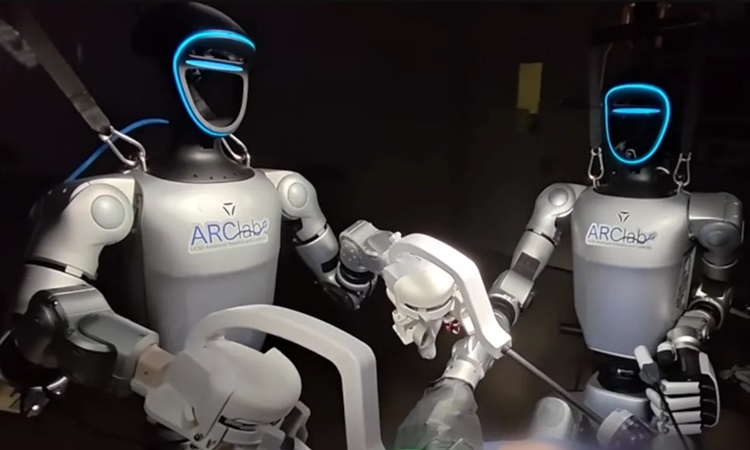
To perform the surgery, the researchers equipped the robot with an adapter to use standard surgical instruments. The robots work seamlessly within existing clinical workflows and provide the operator with a more intuitive feel than traditional robotic surgery systems. The UCSD research team shared that in pre-clinical testing, the remote-controlled humanoid robot achieved surgical precision equivalent to reputable robotic platforms. According to them, with low cost and small area in the operating room, humanoid robots are easy to deploy everywhere from rural areas to battlefields, even in space. According to Tom's Guide, robots are gradually becoming popular in operating rooms. In 1983, the first surgical robot named Anthrobot assisted doctors in an arthroscopic knee surgery. In 1985, the PUMA 560 robot system performed the same job when participating in a brain biopsy procedure. In 1992, ROBODOC became the first robotic system for human surgery when preparing the femur for an artificial hip replacement. With its compact size, flexibility, and ease of customization, the Surgie robot team can deploy surgery in deprived areas in the future, helping to solve the problem of human resources. A 2025 study by the American Surgical Association found a nationwide physician shortage with 21 states having fewer surgeons than needed. The shortage will increase from 13,500 to 86,000 doctors by 2036. Remote-controlled and autonomous humanoid robots can perform more clinical tasks and support work than conventional robot platforms, suitable for hospitals, remote communities, disaster areas and search and rescue operations.
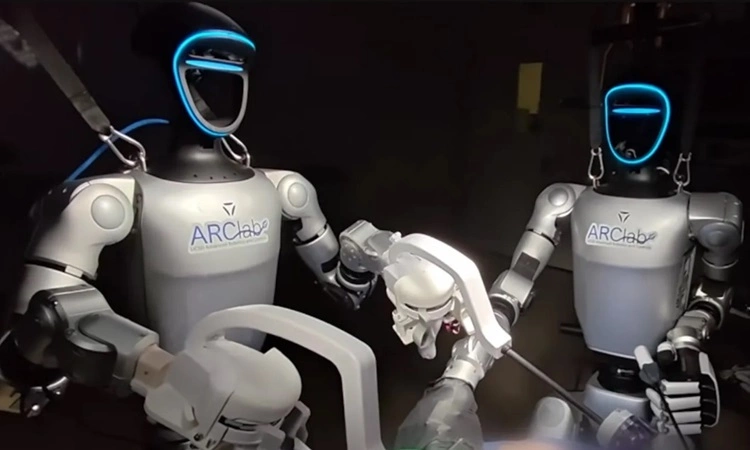
According to Popular Science, although the study proves the feasibility of surgery using remote-controlled humanoid robots, this technology still needs to overcome many technical challenges before it can be widely applied. During surgery, the robot needs to be calibrated many times, increasing surgery time compared to conventional robot systems. The team emphasizes that such limitations are quite common in the early stages of new surgical technology. For example, the first robotic laparoscopic surgery procedure used to last several hours but has been shortened to 30 minutes thanks to continuous improvements. Another challenge is communication latency, the slowness of the robot's movements after the surgeon transmits control commands. Minimizing latency is important for remote surgery in remote communities. The research team said that in addition to operating in the operating room, humanoid robots can take on many other jobs such as retrieving surgical tools, assisting medical staff, and cleaning the operating room, contributing to reducing the burden on humans.