China's humanoid robot output could exceed 100,000
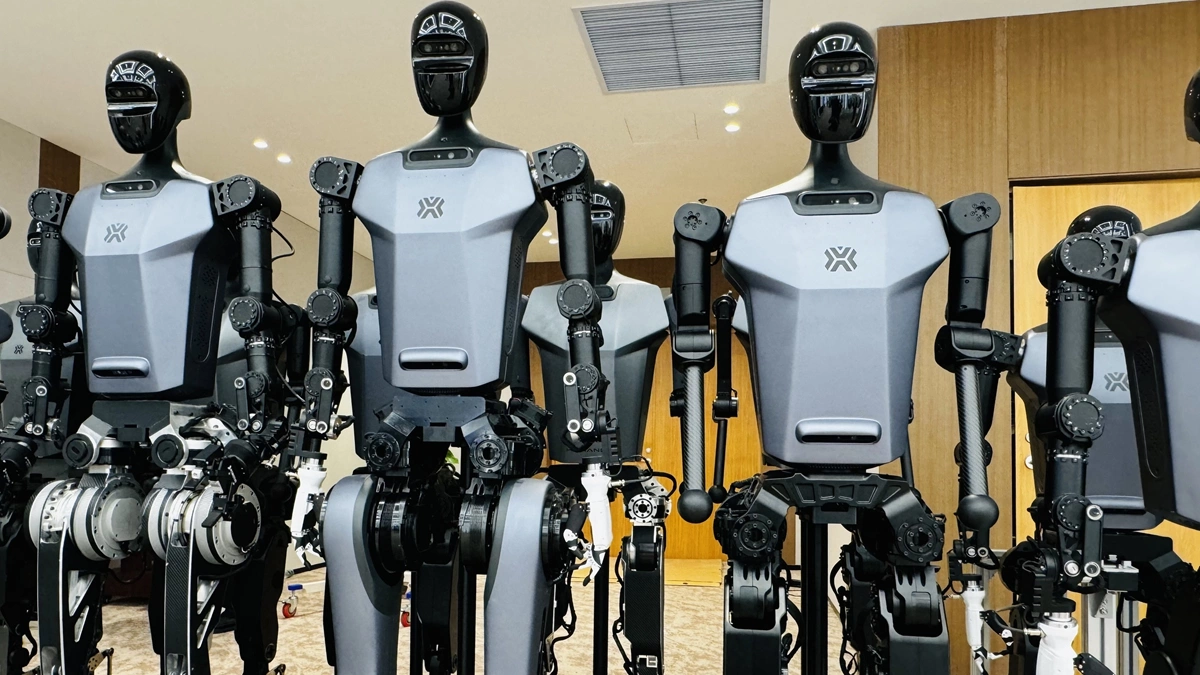
According to CGTN, at a press conference this week in Shanghai on the occasion of the World AI Conference (WAIC) 2026, Mr. Gan Xiaobin, Deputy Director of Science and Technology under the Chinese Ministry of Industry and Information Technology (MIIT), said that China's humanoid robot output this year is expected to exceed 100,000.
China's large language model (LLM), agent and other AI technology are developing rapidly, he noted. The AI ecosystem also contributes to the booming robotics industry.
According to Mr. Gan, the rate of AI application in China's large-scale industrial companies has exceeded 30%, while the National AI Industry Investment Fund has also stepped up activities to attract more social capital into this field. In addition, MIIT is collaborating with many industry partners to expand AI application scenarios, such as in industry and humanoid robots.
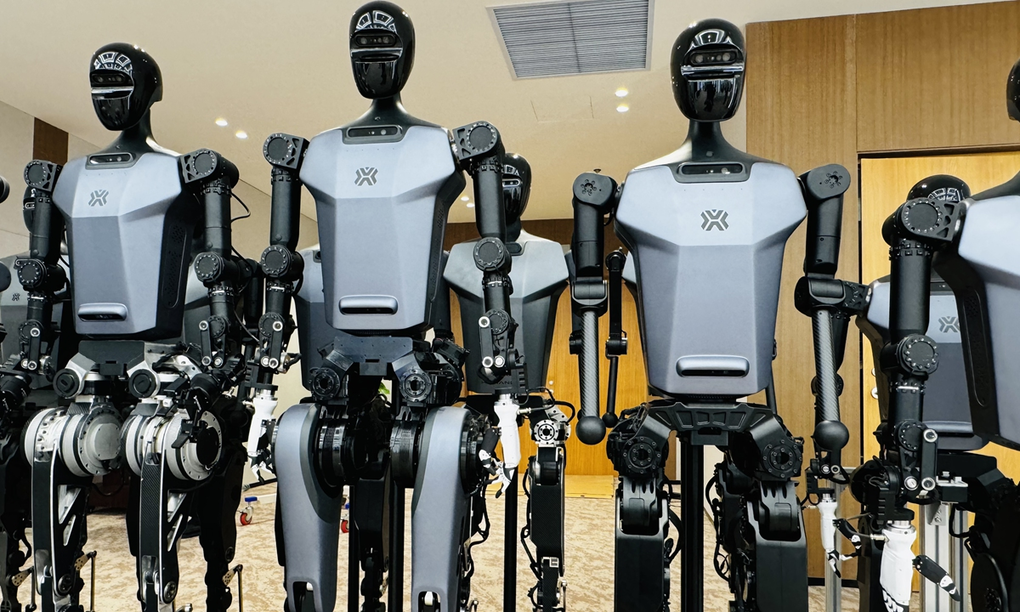
The International Federation of Robotics (IFR) said that China has maintained its position as the world's largest industrial robot market for many years. As of mid-April, China had 964 companies related to humanoid robots. The number of patent applications in this area reached 1,174 last year, up 89.7% from the previous year and reaching a five-year high. Meanwhile, according to China's Ministry of Industry and Information Technology, the country will have more than 140 manufacturers and more than 330 models of humanoid robots by 2025.
According to AP, with the status of "the world's factory", China leads in mass production capacity, hardware supply and humanoid robot training data collection. According to a report by investment bank Barclays (UK), Chinese humanoid robots will account for 85% of the world market share by 2025. Technology research company Omdia (UK) said that more than 13,000 humanoid robots were shipped globally last year, of which the two leading robot companies, Agibot and Unitree, shipped more than 5,000 robots each. US competitors like Figure AI and Tesla only produce a few hundred robots or less.
As humanoid robot production increases, costs will decrease. American bank Morgan Stanley said that using many domestic components also helps Chinese robots be an average of 20% or more cheaper than foreign robots. The bank estimates that the average price could drop to $21,000 by 2050, significantly lower than last year's level of $46,000. Some Chinese humanoid robots are even sold for under $6,000.
This year, Chinese humanoid robots achieved many impressive achievements. During the Lunar New Year, humanoid robot teams from four companies, Unitree Robotics, Galbot, Noetix, and MagicLab, teamed up with artists to bring an explosive martial arts show at CCTV's Spring Festival, China's most-watched television program.
In April, dozens of Chinese humanoid robots participated in the half-marathon (21 km) in Beijing. The first-place robot completed the race in 50 minutes and 26 seconds, a few minutes faster than the half-marathon world record set by Jacob Kiplimo, a Ugandan athlete, in Lisbon in March.
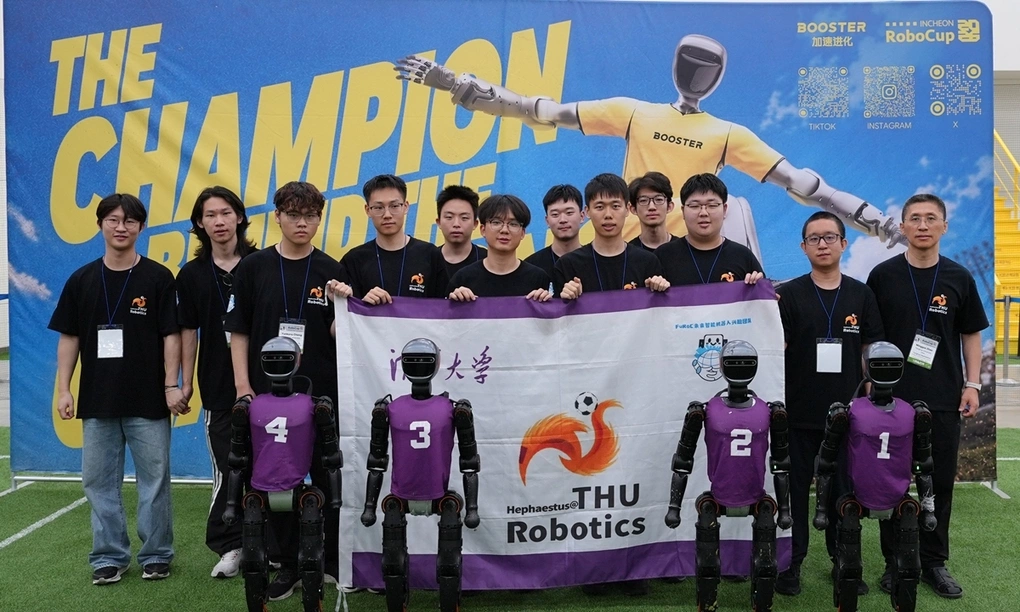
Most recently, the THU Huoshen team from Tsinghua University won the championship in the Humanoid Soccer League (HSL) RoboCup 2026 category, an international soccer tournament for robots held in Incheon (South Korea) in early July. The team used the humanoid robot Booster T1 of the Chinese company Booster Robotics, which has advanced cognitive abilities, decision making and good motor coordination.