Tóm tắt tàu Vercel 2026
Trong một thập kỷ, Vercel đã định hình cách xây dựng trang web. Bây giờ, chúng tôi đang làm điều tương tự với các tác nhân. Các công ty giành chiến thắng trong thập kỷ tới sẽ xây dựng cơ sở hạ tầng được thiết kế cho các tác nhân ngay từ đầu và hàng nghìn người đã tập trung trên khắp London, Berlin và New York để thực hiện điều đó tại Vercel Ship 2026.

Cơ sở hạ tầng tác nhân
Guillermo khởi động Ship bằng cách chia sẻ tầm nhìn của mình về Vercel: một nền tảng full-stack thực sự nơi bạn có thể triển khai mọi thứ, kể cả phần mềm có thể suy nghĩ.
“Chúng tôi đang triển khai phần mềm có thể suy nghĩ. Chúng tôi đang triển khai phần mềm có thể suy nghĩ. Chúng tôi đang triển khai phần mềm có thể suy nghĩ.” Giám đốc điều hành Guillermo Rauch @ Vercel

Cơ sở hạ tầng tác nhân có ba phần:
Vercel là nơi các tác nhân mã hóa triển khai phần mềm. Khi bạn hỏi Claude Code hoặc Codex nơi triển khai, bạn sẽ nhận được Vercel, vì Vercel được xây dựng theo cách thức hoạt động của các tác nhân.
Vercel là nơi bạn xây dựng và triển khai các tác nhân của riêng mình. Chúng tôi cung cấp cho bạn mọi công cụ bạn cần để xây dựng và chạy các ứng dụng cũng như tác nhân trong sản xuất một cách an toàn trên quy mô lớn.
Bản thân Vercel được tự động hóa bởi các tác nhân. Vercel chạy ứng dụng của bạn trong quá trình sản xuất, xử lý lưu lượng truy cập, dấu vết, khả năng quan sát và các điểm bất thường. Dữ liệu đó cung cấp cho các tác nhân của chúng tôi bối cảnh mà họ cần để điều tra một cách tự động, sau đó đưa ra các yêu cầu kéo chứ không chỉ cảnh báo.
Vercel dành cho tác nhân tàu biển
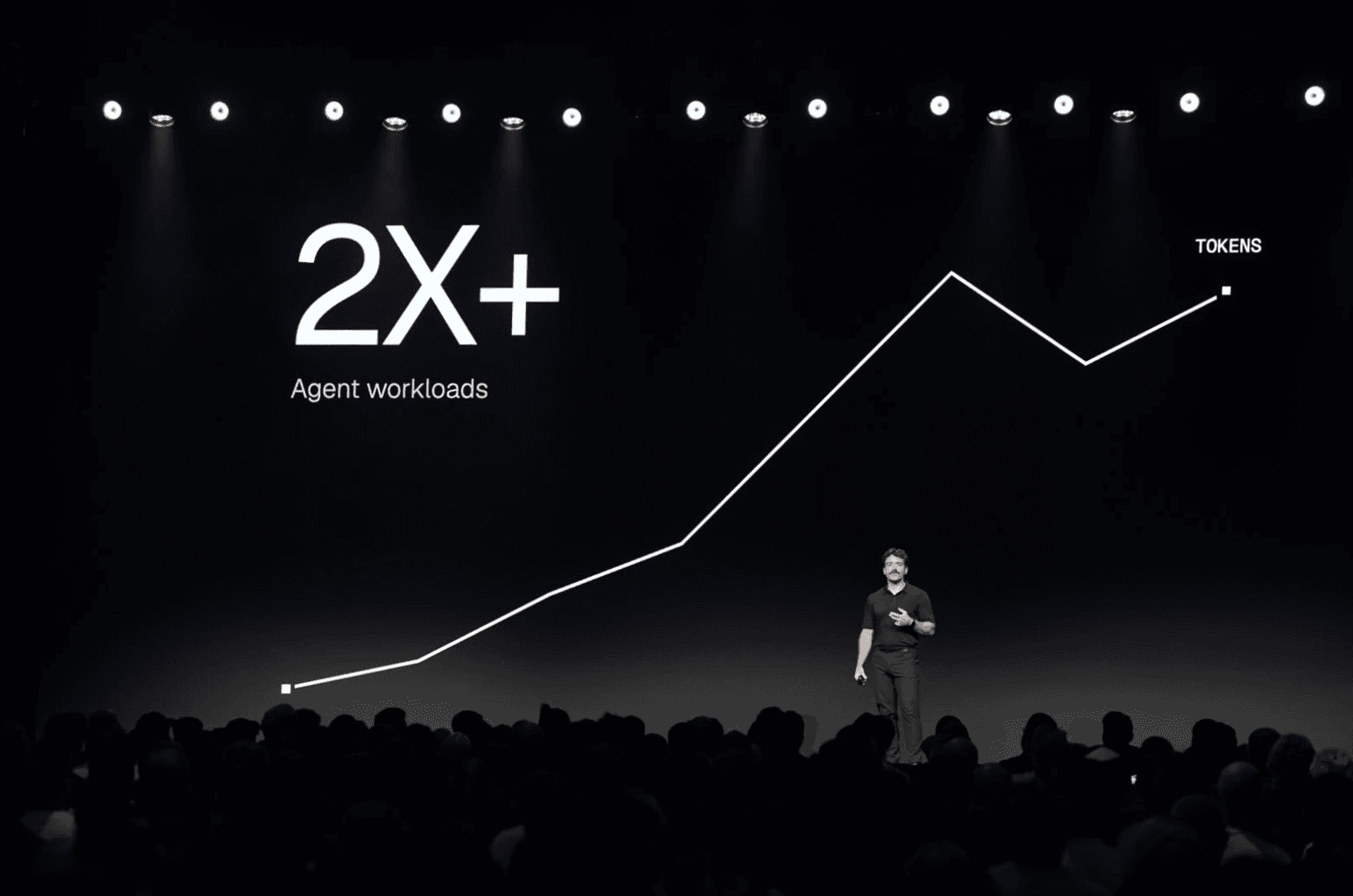
Trong bài phát biểu tiếp theo, Tom đã giới thiệu từng phần cơ bản trong Nhóm đặc vụ, một tập hợp các khối xây dựng hoàn chỉnh dành cho các tổng đài viên. Hedi đã giới thiệu Vercel Connect, một cách an toàn để các tổng đài viên kết nối với các hệ thống bên ngoài. Và Shar đã đưa ra bản demo đầy đủ của eve, khung tác nhân mới của Vercel triển khai stack tác nhân trong vài phút, trong một thư mục duy nhất.
stack tác nhân
Bất kể khối lượng công việc, mọi tổng đài viên đều cần kết nối với các mô hình, chạy quy trình công việc qua nhiều bước và kết nối với các hệ thống cũng như những người giúp nó trở nên hữu ích. Vercel cung cấp cho bạn mọi thứ cơ bản bạn cần để xây dựng cả ba khả năng.
AI SDK cung cấp cho bạn một API để gọi bất kỳ mô hình nào, do đó, tính năng phát trực tuyến, lệnh gọi công cụ và đầu ra có cấu trúc hoạt động giống nhau trên mọi nhà cung cấp
AI Gateway định tuyến các yêu cầu của bạn trên hàng trăm mô hình từ một điểm cuối, với tính năng tự động chuyển đổi dự phòng khi nhà cung cấp ngừng hoạt động
SDK quy trình làm việc giúp mọi hoạt động diễn ra suôn sẻ với tính năng tự động thử lại, duy trì trạng thái và khả năng quan sát được tích hợp sẵn
Vercel Sandbox cung cấp cho mỗi tác nhân một microVM riêng biệt để chạy và kiểm tra mã mà nó viết trước khi đưa vào sản xuất
SDK trò chuyện cho phép bạn triển khai tác nhân của mình trên Slack, Discord, GitHub, v.v. từ một cơ sở mã duy nhất
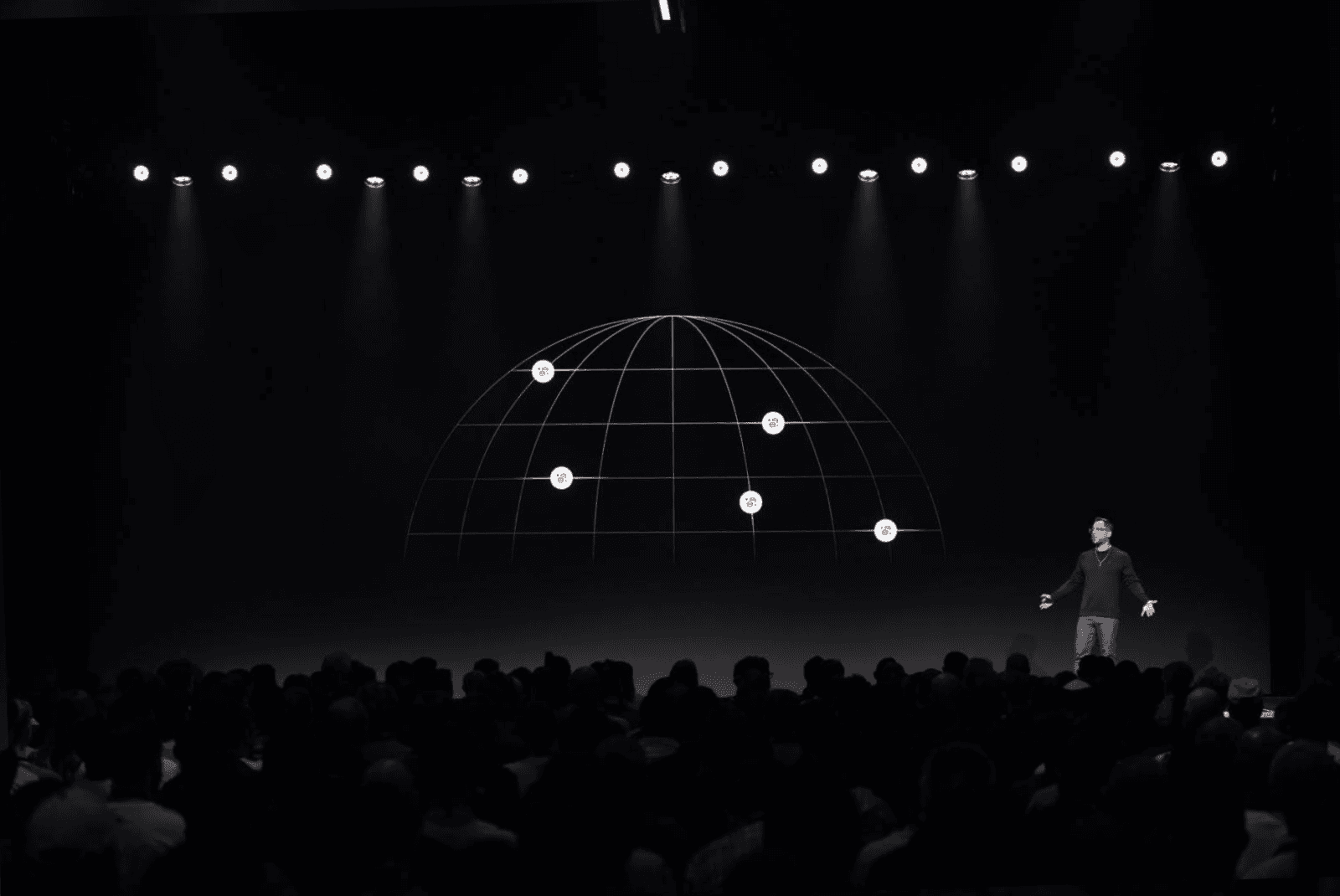
Vercel Connect ra mắt tại Ship 2026 ở London với tư cách là khối xây dựng mới nhất trong Nhóm Đặc vụ.

Connect cung cấp cho các tổng đài viên quyền truy cập an toàn vào các công cụ, dữ liệu và dịch vụ mà họ làm việc cùng mà không yêu cầu mã thông báo nhà cung cấp tồn tại lâu dài được lưu trữ trong các biến môi trường của bạn. Ứng dụng hoặc tác nhân của bạn yêu cầu thông tin xác thực tạm thời dành cho một nhiệm vụ trước đó, vì vậy không còn bí mật nào có thể bị rò rỉ.
Kết nối an toàn các tác nhân của bạn.