100,000 people will be trained on standards, measurement and quality
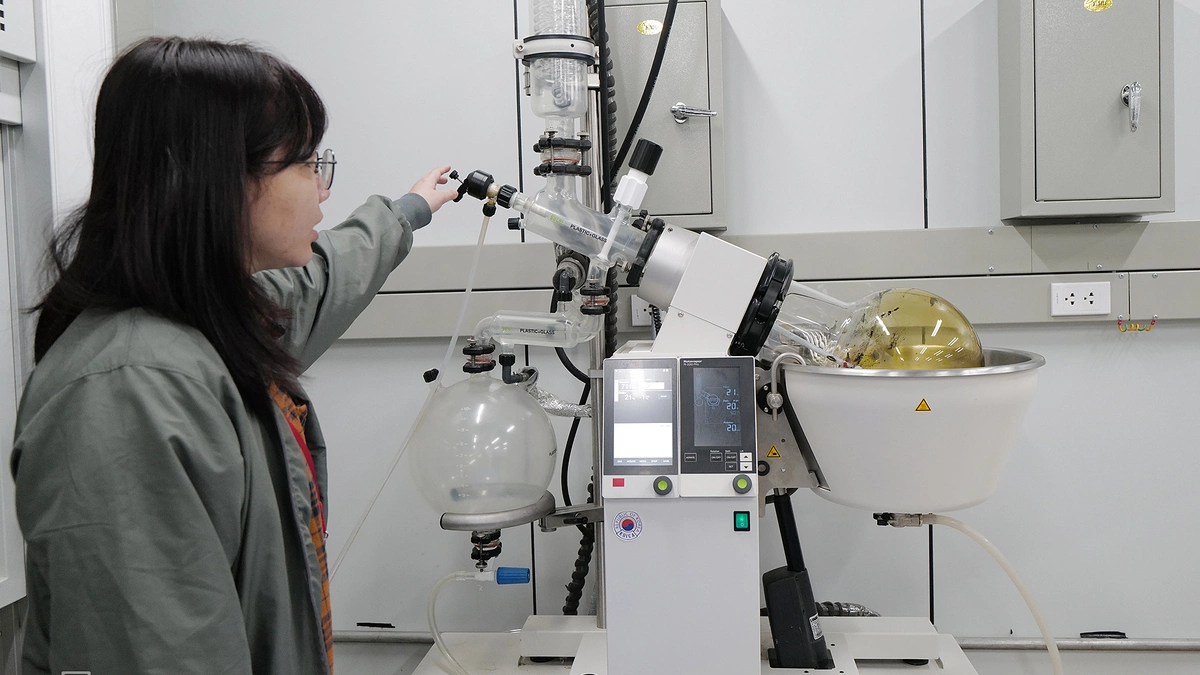
These are the goals stated in the Project on training and developing human resources for the field of standards, measurement and quality nationwide until 2030 and the following years, approved by the Government on July 3.
According to the project, developing human resources in the fields of standards, measurement and quality is identified as a fundamental solution to build a national quality infrastructure (NQI), thereby improving productivity, quality and competitiveness of the economy. Training activities will be business-centered, closely following market needs, and focusing on equipping skills in applying digital technology and AI.
By 2030, the project aims to form a network of synchronous and modern training and fostering facilities in terms of standards, measurement and quality, in which the capacity framework, criteria framework for evaluating training and fostering results and the system of core training and fostering programs and documents are formed before 2028.
Regarding human resources, the goal is to train and foster professional knowledge about standards, measurement, and quality for at least 100,000 employees in enterprises, cooperatives, and business households. "Priority is given to high-tech and strategic technology industries, striving for 80% of learners to meet the competency framework standards," the project states.
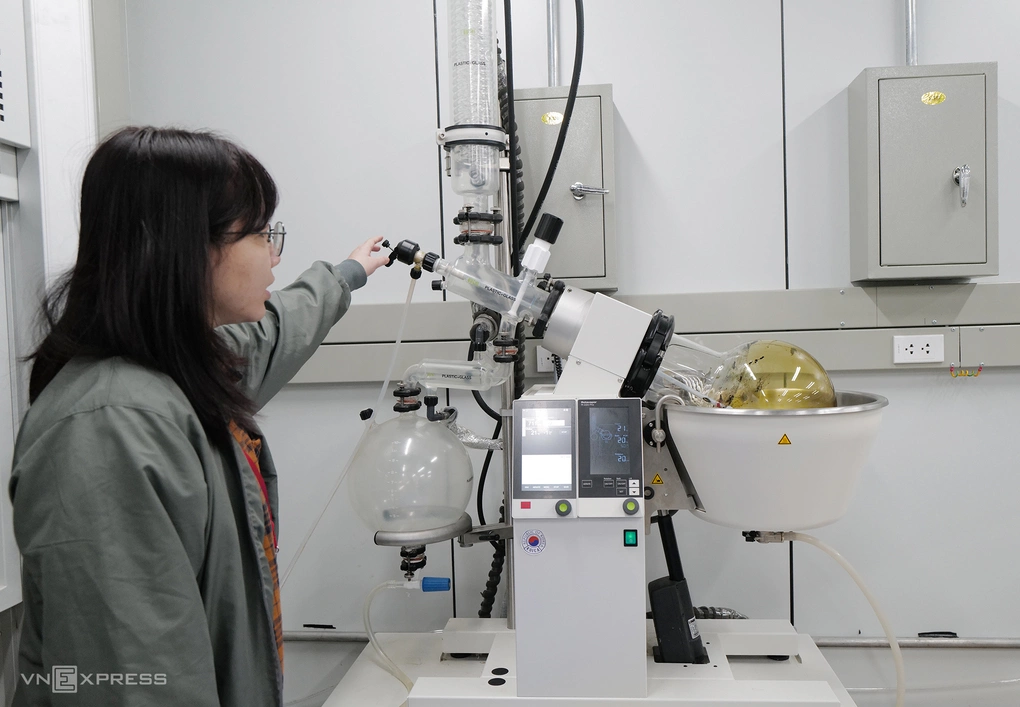
The project also sets the goal of building a team of 1,500 experts with in-depth qualifications in the components of the national quality infrastructure, of which at least 300 experts are trained to be qualified to participate in the activities of standardization, measurement and conformity assessment organizations at the international level.
In addition, it is expected that about 20,000 civil servants, public employees and workers in the fields of standards, measurement and quality will have their professional capacity improved.
To achieve the above, the project proposes many groups of solutions, including improving mechanisms and policies; develop a unified capacity framework and training program; training a team of core experts and lecturers; Strengthen international cooperation and promote training at enterprises. Training will prioritize high-tech fields, strategic technology and key national projects such as high-speed railways, nuclear power, defense and security.
Regarding the issue of human resources for the industry, MSc. Nguyen Thu Ha, Deputy Director of the Center for Professional Training in Standards, Metrology and Quality, assessed that the industry's human resources team in recent times has made many contributions both domestically and internationally, but in the face of new development requirements, limitations have also been revealed. The issues mentioned by Ms. Ha include uneven capacity among human resource groups, scattered training activities, programs and documents that are not really unified, and no common competency framework.
"In the new context, standard, measurement and quality human resources need to have strong expertise, as well as know how to analyze data, manage risk, apply digital technology, understand the market and support businesses in handling practical problems," Ms. Ha said.
She assessed that the new project will be a framework to develop human resources for the entire standards, measurement and quality ecosystem: from state management agencies, technical organizations, training establishments to businesses, cooperatives, business households and learners.
"This approach shows that human resource development is not the sole task of one agency or one narrow industry but is a general requirement of the economy in the process of improving productivity, quality and competitiveness," she said.
The project also encourages innovating training methods in the direction of combining face-to-face and online, applying AI in content design, teaching and evaluating learning results, and researching the introduction of virtual reality and augmented reality technology into practical training. In addition, export businesses will be trained on new technical requirements such as Digital Product Passport, Cross-Border Carbon Adjustment Mechanism (CBAM) and ESG standards to meet the requirements of the international market.
After 2030, the project aims to build a standard, measurement, and quality workforce with qualifications on par with developed countries; Forming a digital training ecosystem that comprehensively applies AI and new technology; At the same time, promote widespread recognition of the professional capacity of Vietnamese experts regionally and internationally.
Luu Quy