5 electric vehicle battery technologies that can replace lithium-ion batteries
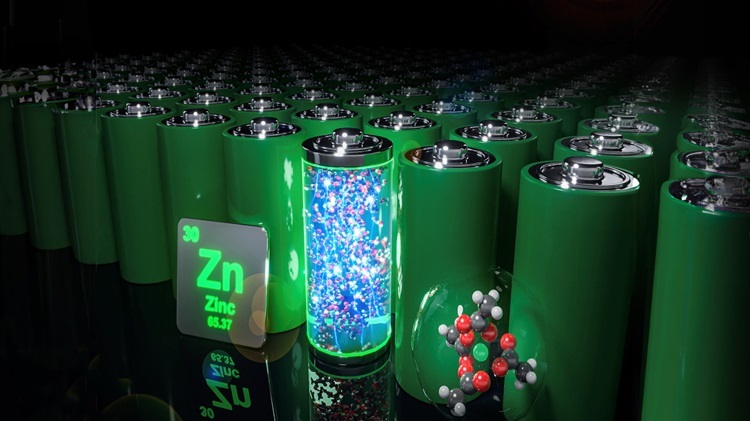
According to Interesting Engineering, lithium-ion batteries are dominating the electric vehicle market thanks to decades of development, falling costs, and an increasingly mature manufacturing ecosystem. But researchers and battery companies are looking for alternatives that could reduce reliance on lithium and other key materials, improve safety or provide more energy density. Several battery technologies are in testing or starting production that have the potential to change the future of electric vehicles.
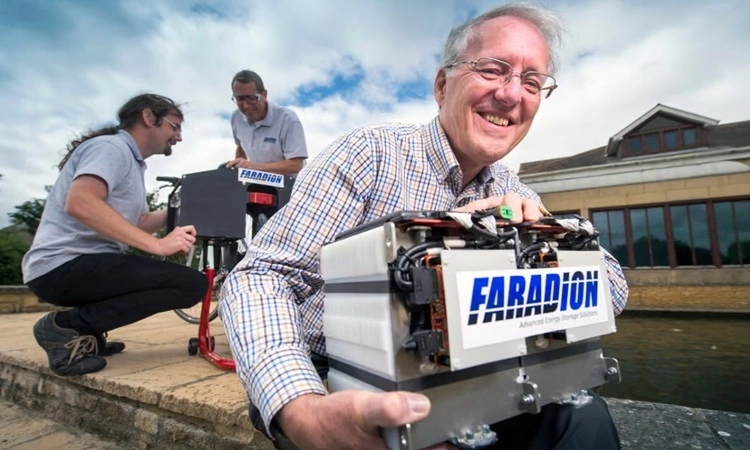
Sodium-ion batteries are the closest alternative to lithium-ion batteries today and are moving towards wider commercialization. This type of battery works on the same principle but replaces lithium with sodium, an abundantly available element.
Some major manufacturers such as CATL or BYD are expanding the technology, and electric vehicles powered by sodium-ion batteries have appeared in China. The drawback of sodium-ion batteries is that their energy density is lower than other types of batteries. The latest sodium-ion battery cells can reach 175 Wh/kg (watt hours per kilogram), less than the 205 Wh/kg of LFP (lithium iron phosphate) batteries or the 265 Wh/kg of NMC (nickel manganese cobalt) batteries. Therefore, it is more suitable for small electric vehicles, urban vehicles and commercial applications that do not require impressive maximum range.
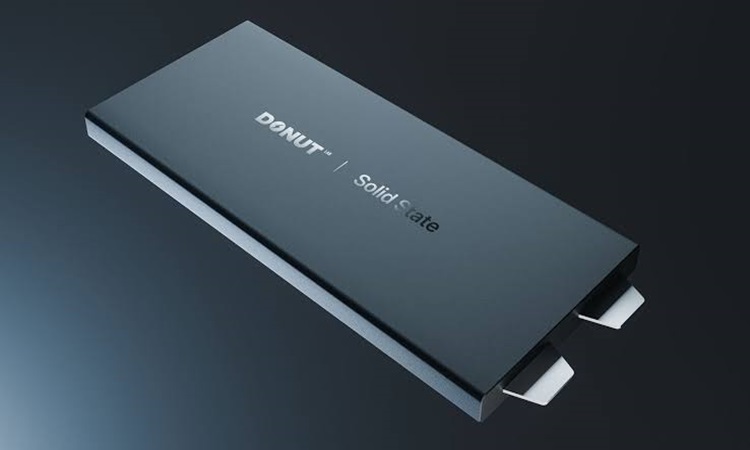
Solid-state batteries replace the flammable liquid electrolyte in conventional lithium-ion battery cells with solid materials. This technology promises improved safety and superior energy efficiency, especially if combined with a pure lithium metal cathode.
According to Eureka, this combination can solve the short circuit problem, thereby maximizing the extremely high energy density, helping electric vehicles run longer distances without significantly increasing battery size or weight. However, solid-state battery cells are still expensive and difficult to produce on a large scale. Researchers need to find a way to demonstrate their advantages in mass-produced electric vehicle battery packs.
Lithium-sulfur batteries could offer a major leap in energy density, making them an attractive option for long-distance electric vehicles and large vehicles. Sulfur is cheap and abundant.
Eureka says lithium-sulfur batteries can store three to five times more energy than conventional lithium-ion batteries at the same weight. The International Energy Agency (IEA) identifies this as one of the emerging battery technologies that promises to bring many benefits to applications requiring high energy density such as trucks, boats and electric aircraft. The major hurdles that need to be overcome to commercialize lithium-sulfur batteries are that current designs have limited lifespans, high costs and environmental impacts.
Magnesium-ion batteries replace lithium with magnesium. Each ion can transfer two electrons instead of one like lithium, allowing for significant levels of energy to be stored. Magnesium is also more readily available, helping to reduce pressure on the lithium supply chain. The problem is that magnesium ions interact strongly with battery materials, making it difficult to develop electrodes and electrolytes that can effectively charge and discharge over many repeated cycles. Currently, magnesium-ion battery technology is still mainly at the research and development stage, not ready for installation on commercial electric vehicles.
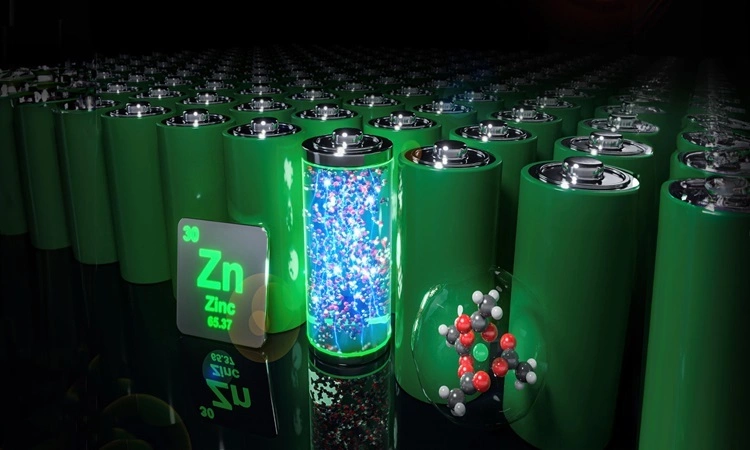
Zinc-based batteries attract a lot of attention because zinc is widely available in nature, is cheap and helps create safer batteries, especially systems that use an aqueous solution as the electrolyte. Technologies such as zinc-ion and zinc-air batteries are being developed for energy storage and other applications, taking advantage of low material costs and limited explosion risks.
According to Science Direct, the challenges that prevent zinc-based batteries from becoming popular are short circuits, narrow voltage ranges (the voltage limit at which the electrolyte remains stable, does not decompose or denature), and corrosion reactions. Zinc-based battery systems need many improvements to compete with lithium-ion batteries in passenger electric vehicles. Most current zinc-based battery technology is more suitable for stationary storage than for use in cars.