Apple's 'bargain to buy Chinese DRAM failed'
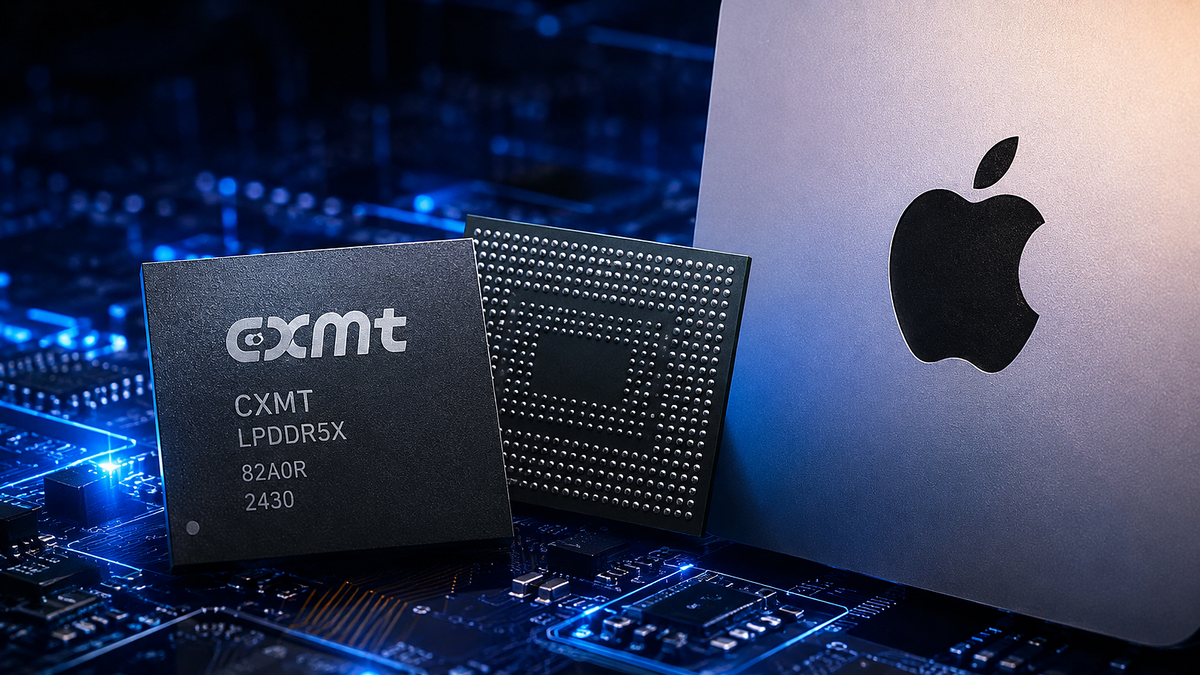
Citing sources from the semiconductor industry chain, DDaily (Korea) said Apple has negotiated with China's Changxin Memory Technology (CXMT) with the desire to buy cheap DRAM. However, this company flatly rejected the proposal from the iPhone company, even only selling "if the price is higher or equivalent" to products offered by Samsung Electronics or SK Hynix.
CXMT's "bold" rejection of a large partner like Apple comes from its domestic customer base. Chinese technology giants such as Huawei and Xiaomi have "collected" a large number of products. In the context that the US continues to punish China in the technology sector, this country's manufacturers have proactively acquired CXMT's DRAM supply through long-term contracts with high value. Therefore, CXMT no longer has any reason to give in to Apple.
According to Apple Insider, the strategy of "diversifying the supply of cheap components from China" has been used by global finished product manufacturing corporations like Apple to cut component costs. However, it has become useless amid the DRAM shortage as the demand for memory chips for high-bandwidth systems (HBM) and AI servers increases, making memory chip "giants" such as Samsung Electronics, SK Hynix or Micron a priority.
"Chinese memory manufacturers, previously seen as alternatives, have begun demanding fair prices, leaving major technology companies without alternative avenues to reduce costs," commented AppleInsider.
Apple wanted to buy DRAM from CXMT - a company that has long been on the US blacklist - since June. According to FT, at that time, the company behind the iPhone was said to have sent a petition to the White House with the desire to buy components from the Chinese company, China's largest memory manufacturer, but faced fierce opposition from US politicians.
Meanwhile, Tim Culpan, a Taiwanese technology journalist and former Bloomberg reporter, said on the Culpium blog that TSMC, Apple's chip manufacturing partner, is "rushing" to find memory supplies to complete the packaging of A20 Pro and C2 chips for iPhone 18 Pro.
According to Tom's Hardware, the lack of memory chips to package with the A20 Pro chip provides an "interesting insight" into the limitations in the semiconductor field caused by the memory chip crisis. It also shows that Apple's supply chain is "vulnerable", not only in DRAM supply but also in packaging capacity to combine DRAM with wafers, even though the company has always been prioritized by the supply chain. 9tomac believes that, if the information from Culpan is correct, the iPhone 18 Pro line expected to launch in September may be in short supply from the beginning.
AI fever is causing memory chips to run out. According to Digitimes, many of the world's leading DRAM and HBM manufacturers have sold out of production until the end of 2027. Samsung Electronics, Micron and SanDisk have announced they will no longer sell NAND flash, while Kioxia and SK Hynix are completing their final contracts. All partners are also required to accept a deposit payment in advance, regardless of whether they sign a long-term contract or not. Some companies even have to "beg" to be allocated more goods at higher prices than usual.
According to TechCrunch, 2027 could be the "worst year ever" in terms of memory scarcity, causing the selling price of consumer products such as smartphones, laptops, PCs... to increase sharply. Things may only cool down from 2028, when some companies expand production capacity.
Nikkei Asia said that in the face of the ongoing memory crisis due to the explosion of AI infrastructure, a series of leading personal computer manufacturers have completed the quality testing process for DRAM produced by China's CXMT. In particular, big brands such as HP, Asus and Acer began to put this component "in limited quantities" into some laptop lines that are not distributed in the US market.