Blue Origin switched to a new launch configuration after the rocket explosion
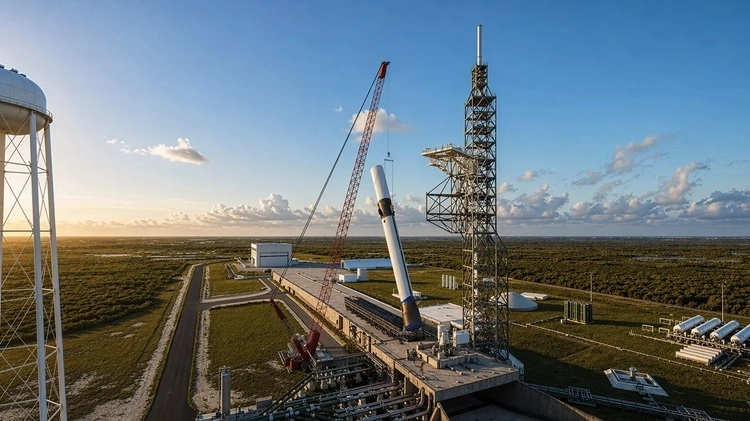
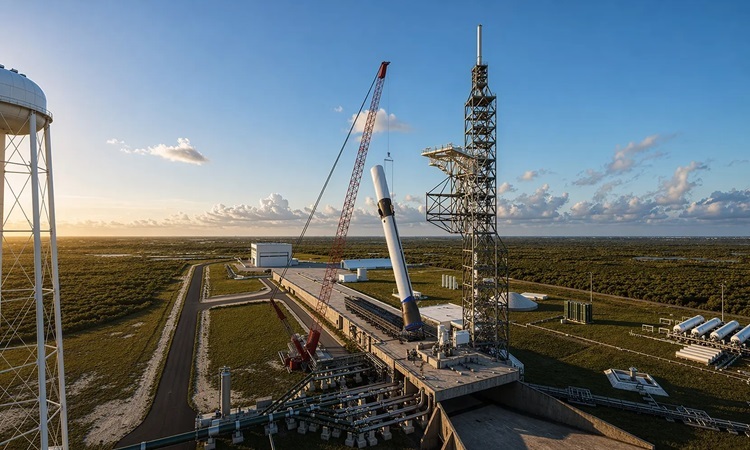
According to Space, Blue Origin's giant New Glenn rocket exploded on May 28 during a routine engine test at Launch Complex 36A (LC-36A) at Cape Canaveral Space Station in Florida, USA. The rocket was destroyed along with several key parts of the launch pad infrastructure, including the lightning rod and mobile equipment used to tow New Glenn to the launch pad and erect the rocket.
Blue Origin pledged to quickly bring the 98 m high New Glenn rocket back to flight by the end of this year. The first priority is to rebuild LC-36A because it is New Glenn's only launcher. On June 30, Dave Limp, CEO of Blue Origin, announced major progress when the company completed hardware recovery and debris removal, and began rebuilding the launch pad.
However, Blue Origin will not create an identical copy of the LC-36A but build a revamped version of the launcher, in accordance with the new operations strategy (ConOps) to launch New Glenn. Lim shared that the company is switching to a hybrid horizontal/vertical configuration in order to fly again this year. The rocket stages will be assembled and connected horizontally at the Integration Facility (IF), then delivered to the launch pad. There, a large crane will erect the rocket and stack the cargo compartment. This operational strategy will help Blue Origin increase flight frequency.
According to Limp, Blue Origin planned to apply the combined operation concept to the 9X4 super-heavy version under development of New Glenn. The name 9X4 reflects the vehicle's engine configuration with 9 BE-4 engines on the first stage and 4 BE-3U engines on the upper stage. The current version of New Glenn is 7X2, which can carry about 45 tons of cargo to low Earth orbit (LEO). The 9X4 is capable of carrying 70 tons on LEO and the cargo compartment lid is larger, 8.7 m wide instead of 7 m.
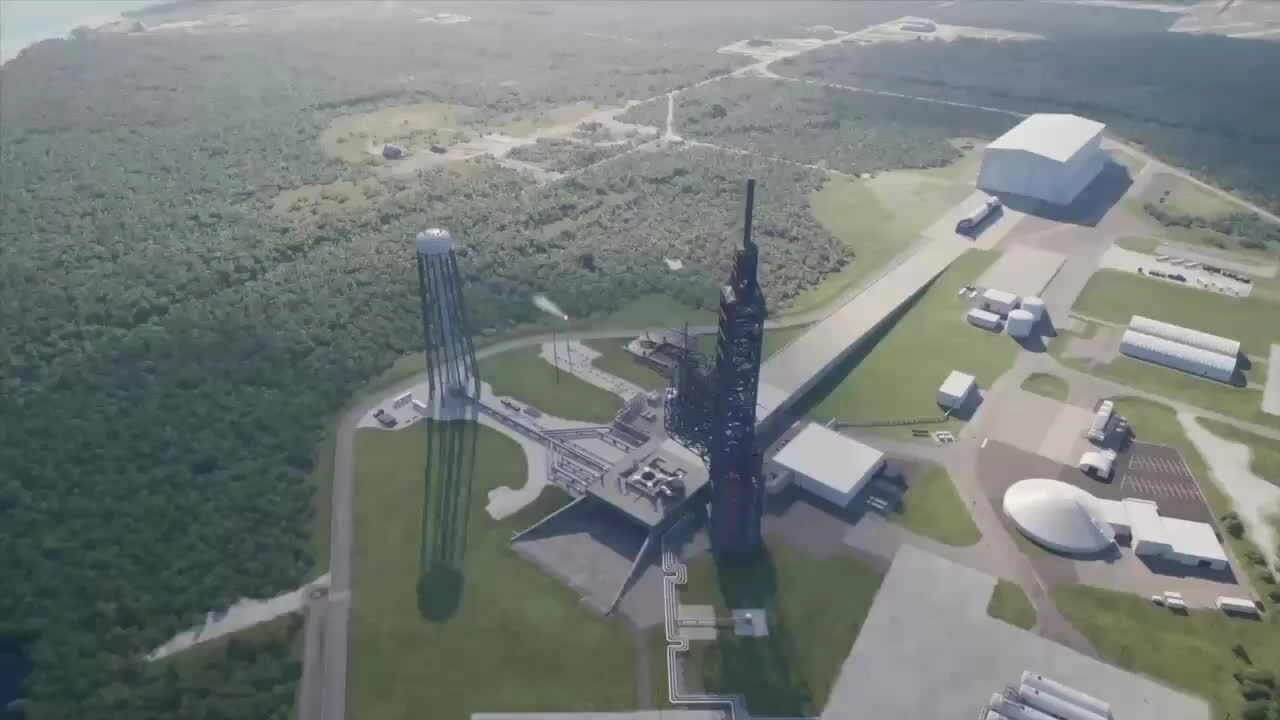
Blue Origin is developing another launcher named LC-36B at Cape Canaveral to serve the upcoming 9X4 launches, also applying a combined operations strategy.
According to CNBC, Blue Origin is an important partner in NASA's Artemis program to return humans to the Moon. The agency has chosen Blue Origin to launch the Blue Moon unmanned lander on a New Glenn rocket later this year, and the May explosion could slow progress.
Companies including Amazon and AST SpaceMobile also depend on Blue Origin to launch rockets carrying Internet satellites into orbit. New Glenn's explosion occurred just days before Blue Origin was set to launch Amazon's Leo series of satellites.
Low-orbit satellite Internet services have developed strongly in recent years, but are limited by a shortage of booster rocket supplies. Blue Origin has emerged as a potential supplier of large payload rockets to replace SpaceX due to New Glenn's ability to transport larger amounts of cargo.
According to Limp, the company will continue to investigate the cause of the explosion. Initial results show that the cause may lie in the rear part of the rocket's first stage.