Spending months building an AI character, posting it online and worrying about being copied
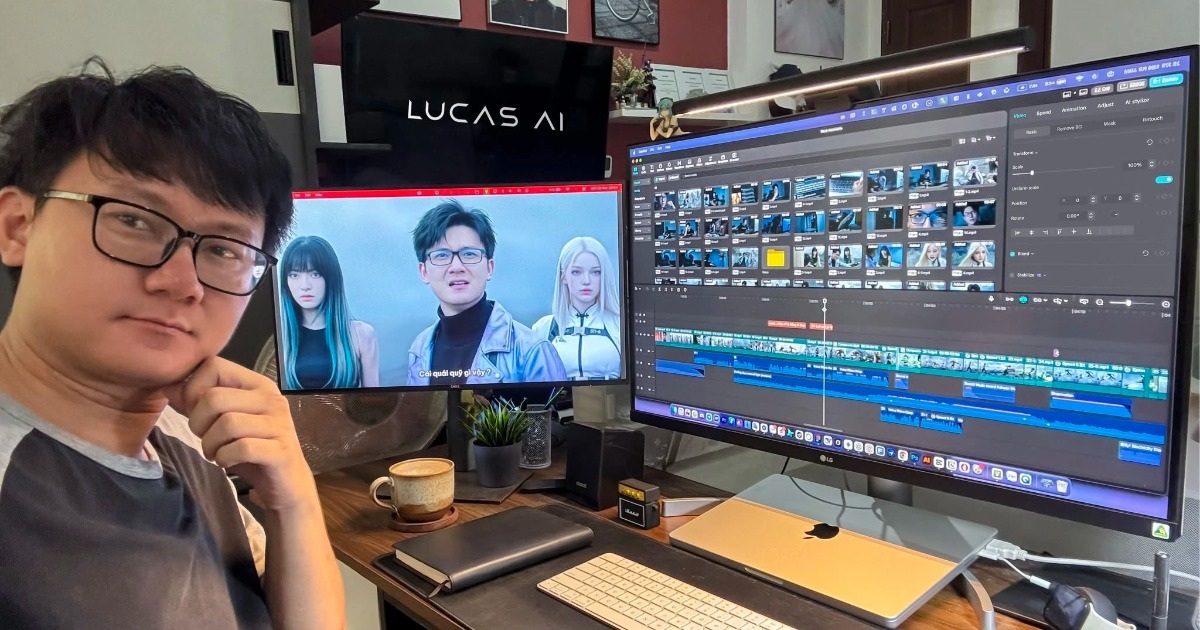

(Dan Tri) - Having spent months building their faces or AI products into their own signature, creators still face the fear of their characters being copied just after posting them online.
Consider AI faces as an “asset”
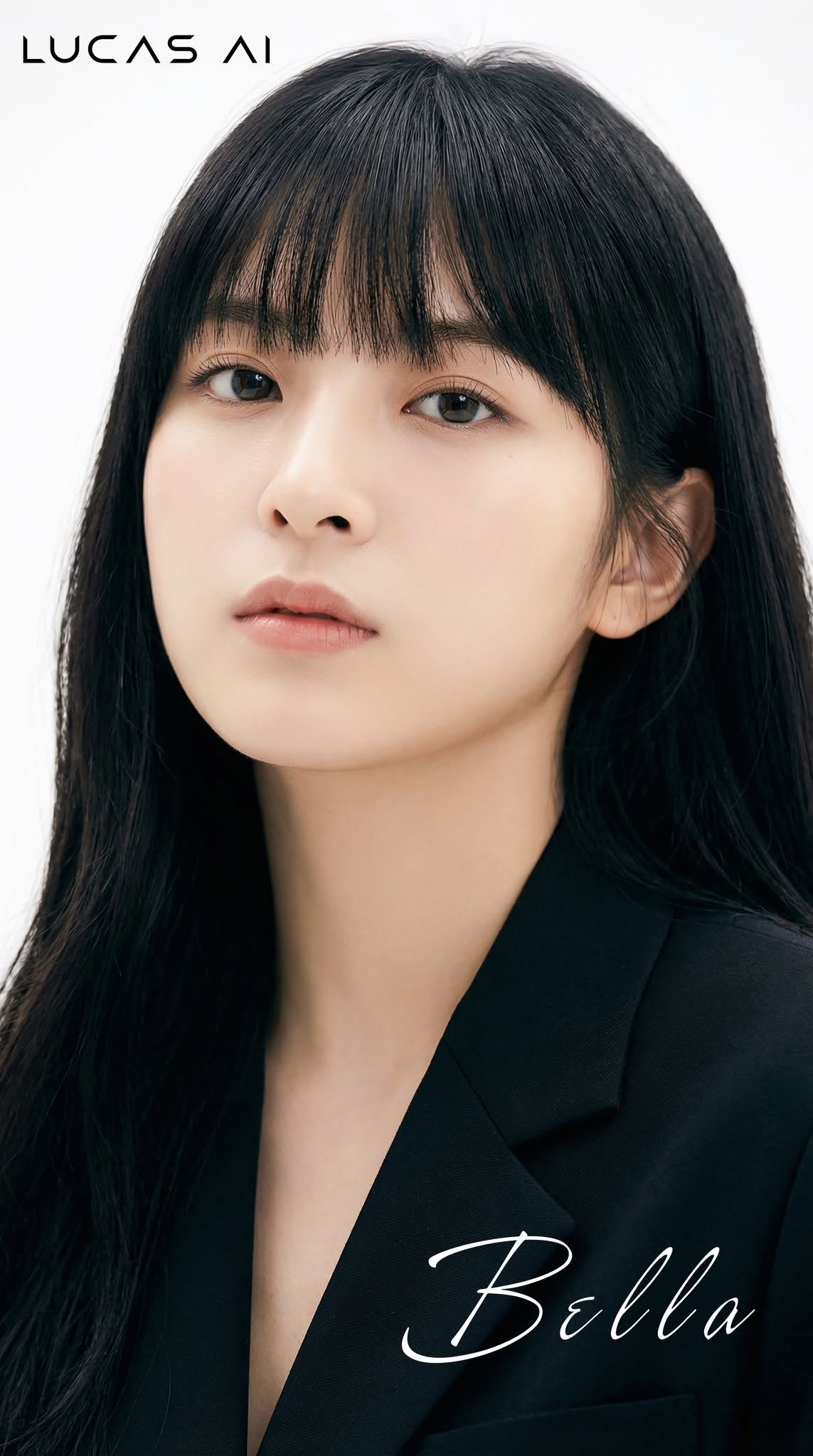
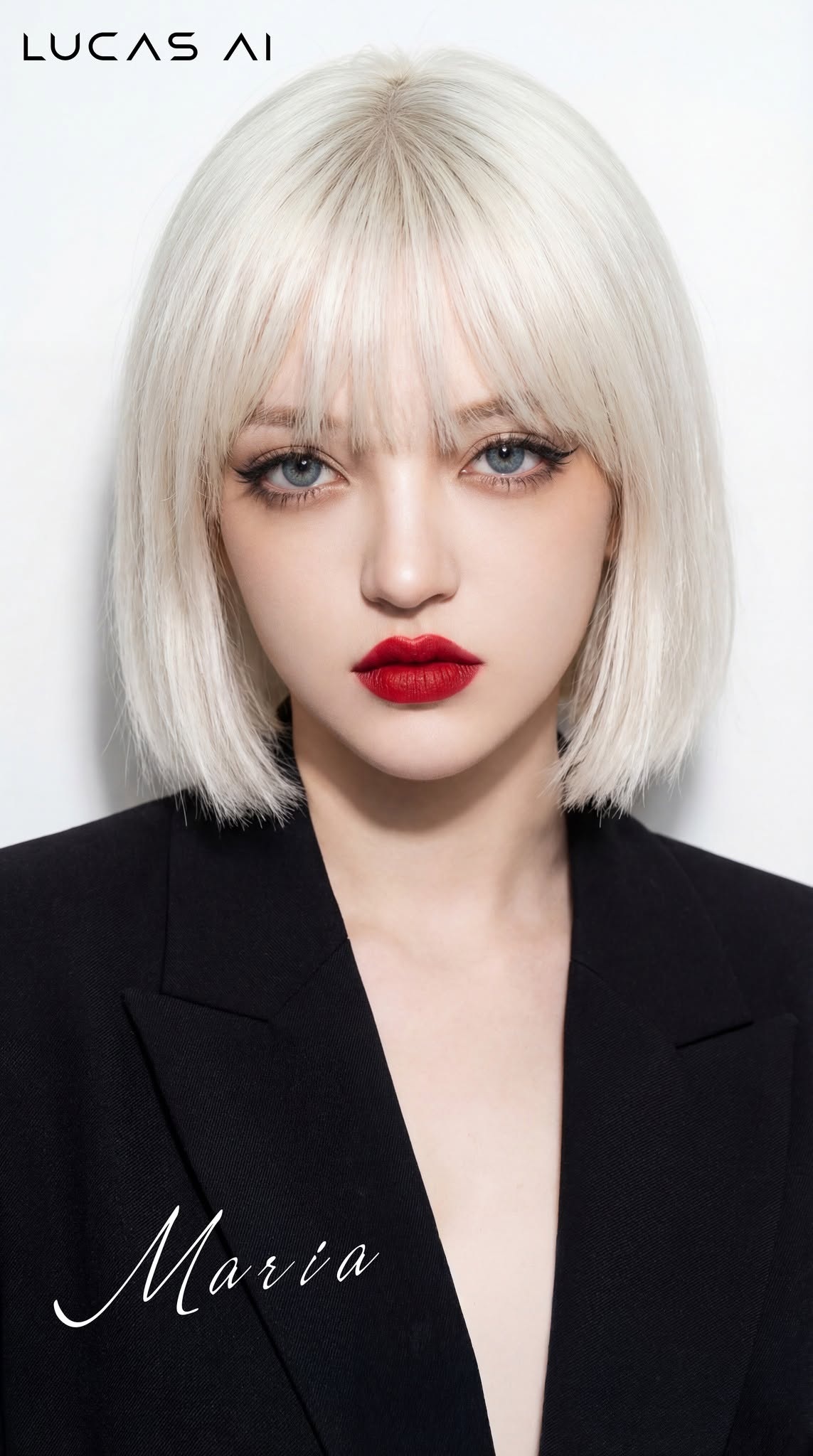
Bella has black hair and her face has some features developed from real people's images. Maria stands out with her white hair and appearance perfected through many tests using artificial intelligence tools.
Both are not models in the usual way. These are AI characters used throughout many products by Mr. Hoang Vy, an AI content creator.
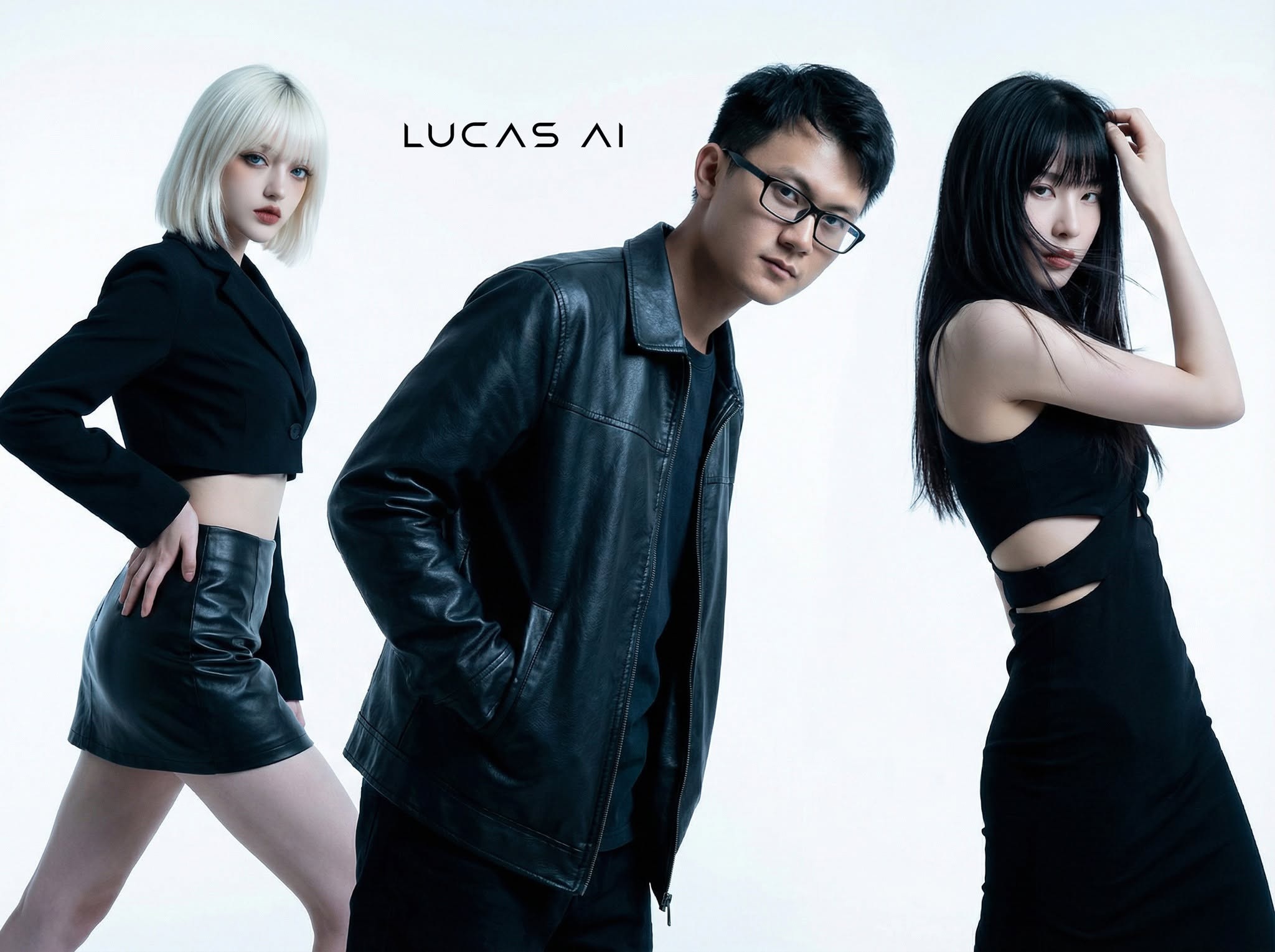
Mr. Vy started learning and creating content using AI more than a year ago. He builds his own AI characters used in many products (Photo: Provided by character).
Mr. Vy's main job is designing UI/UX for websites and technology applications. More than a year ago, he started learning AI as a hobby, then gradually spent more time creating images and videos using this technology.
For the character Bella, he used some of his wife's facial features as reference images, then continued to transform using AI to create a new appearance.
According to Mr. Vy, the goal is not simply to create a beautiful face. He wants to build recognizable characters that appear throughout his products so that when the audience sees them, they can relate to his creative style.
Keeping an AI face consistent across a series of images is not an easy task, especially in the past, when generative tools were not as developed as they are today.
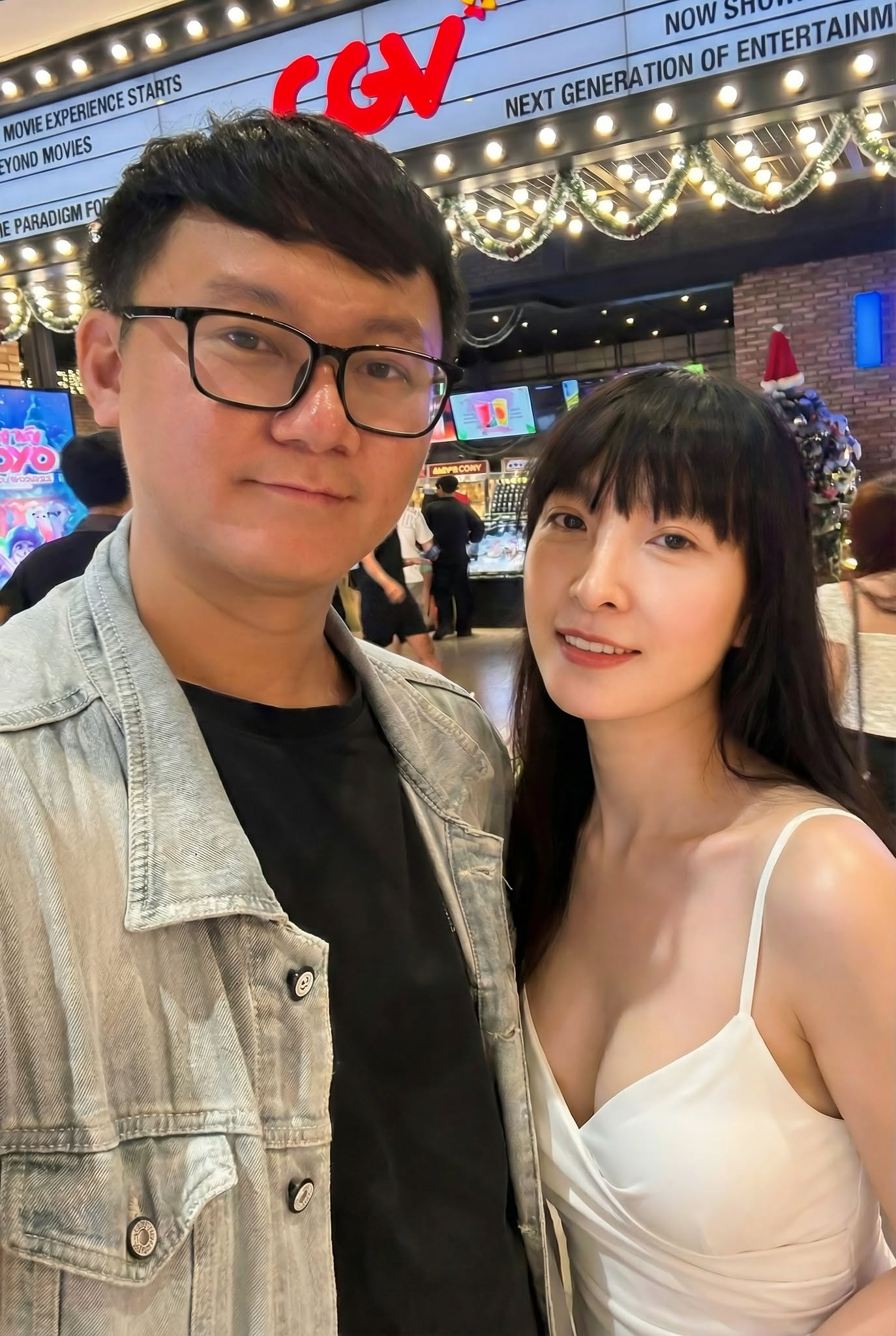

From the image of his wife, Mr. Hoang Vy used AI to develop the character Bella with her own appearance (Photo: Provided by the character).
Mr. Vy said he had tested many different tools and models. Each time technology changed, he continued to adjust the character until he was able to maintain a relatively stable face across multiple productions.
"Now I consider this face an asset for production," Mr. Vy shared.
From an original face, the creator can change the costume, hair color, background or place the character in different stories while still retaining the main identifying characteristics.
But when his face became an "asset", Mr. Vy also began to worry about the possibility of it being copied by others.
An image, once posted publicly on social networks, can be downloaded and inserted into another AI tool. From there, users can continue to create more new images based on the original character.
"I'm trying to find a way to somehow register the exclusive rights and copyrights of my AI models," Mr. Vy said.
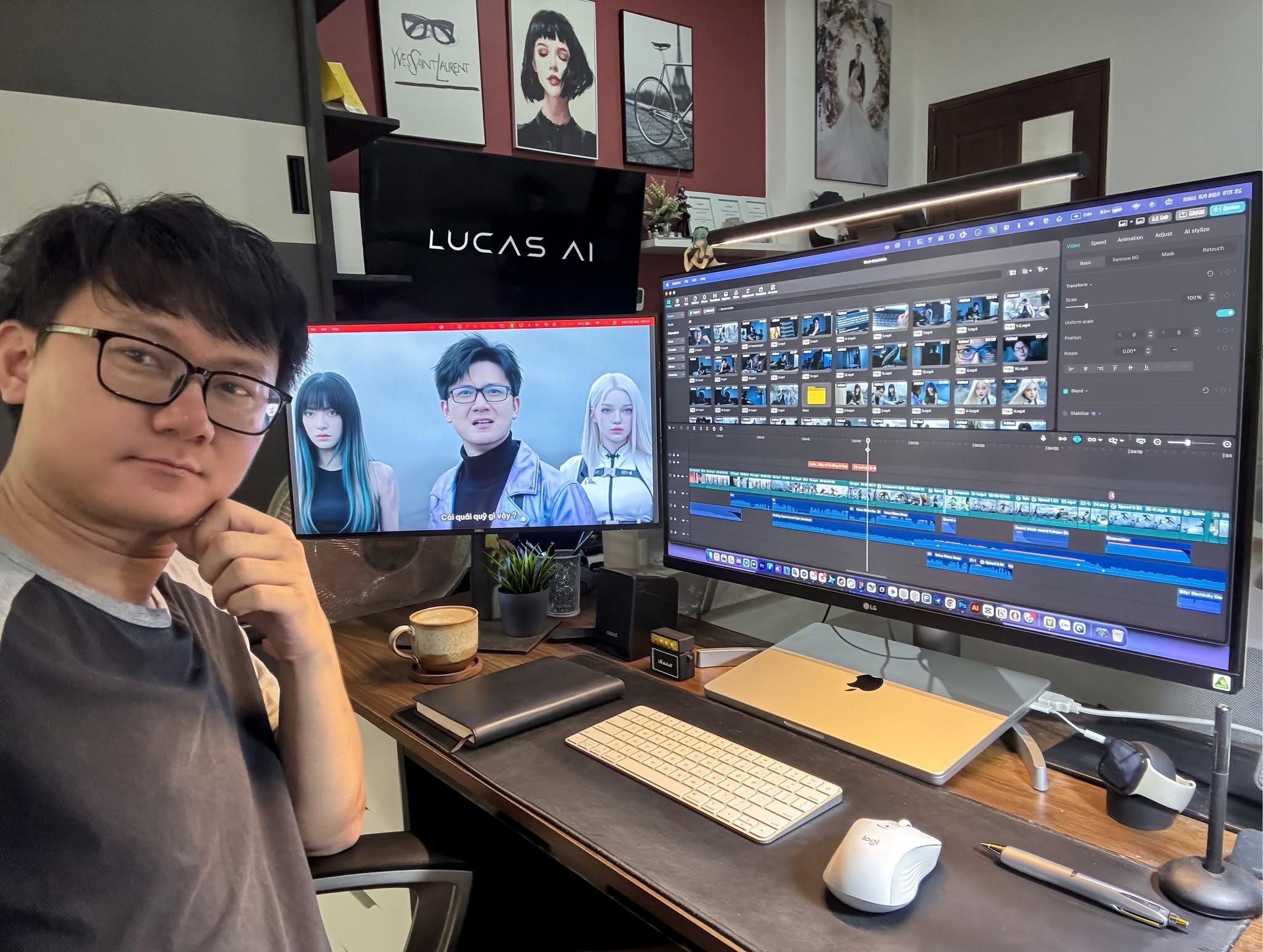
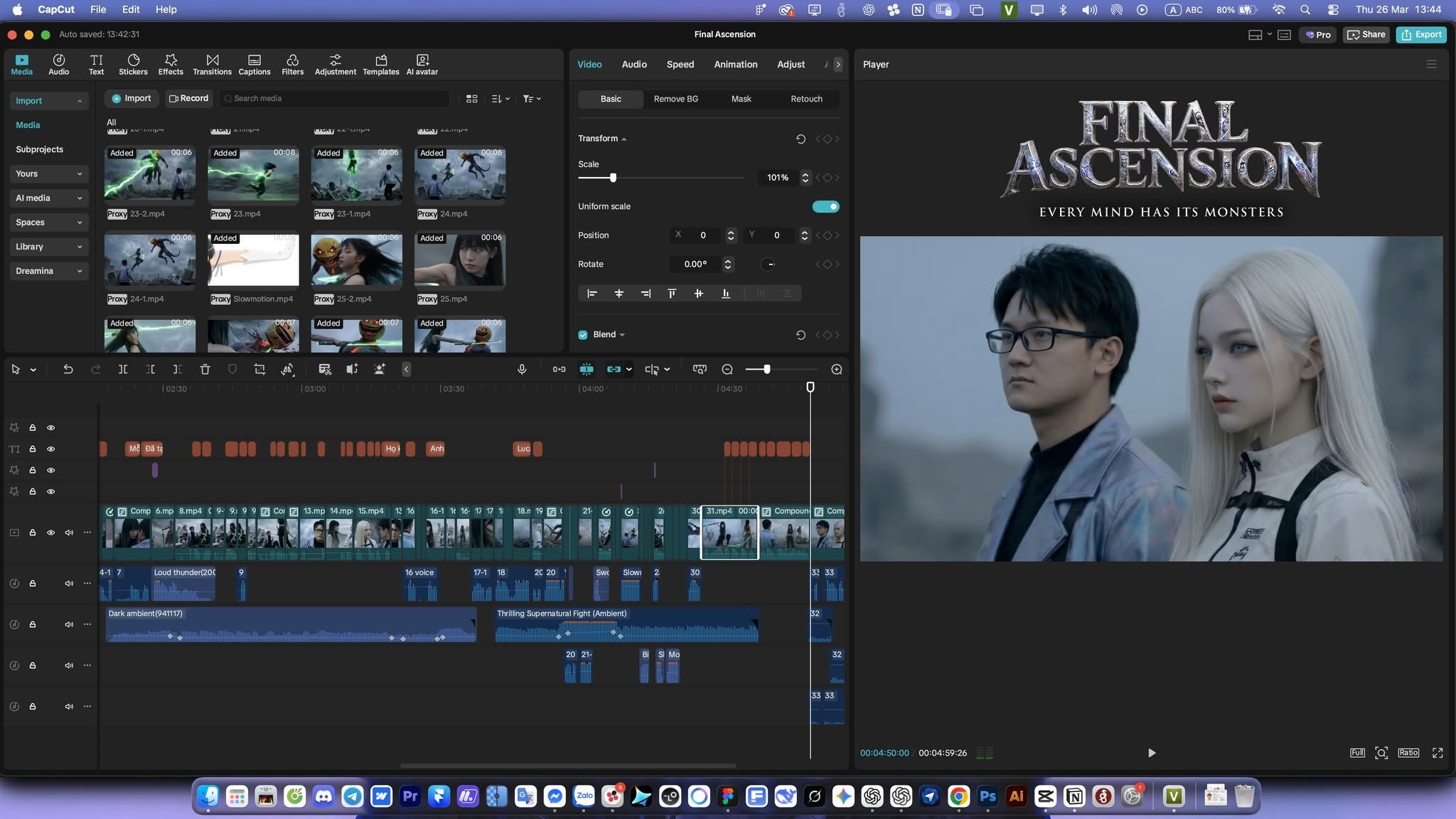
The AI characters are maintained by Mr. Hoang Vy throughout many products, becoming an identifying mark in the content creation process (Photo: Provided by the character).
According to him, this is not a problem of just one individual.
In the AI creative community, many people also build OCs, short for "original characters", which are unique characters that are used for a long time as part of the creator's identity.
However, after the characters were made public on the Internet, many people still wondered how to protect them if they were copied.
"Once posted, it is inevitable," Mr. Vy said about the risk of the image being retrieved. In case he discovers others using his character, he currently mainly looks at the issue from the perspective of codes of conduct and ethics in the creative community.

According to Mr. Vy, many people in the AI community own their own AI characters and share the same fear of being copied (Photo: Character provided).
However, for Vy, the value of an AI product lies not only in the face.
He believes that the most obvious personal mark lies in the way the story is built and the way the AI character is "directed".
Instead of mainly creating short videos for entertainment purposes, he prefers to develop long products, with clear stories, developments and endings. He also actively controls how the character expresses and acts in each situation.
That's the factor he believes makes the difference between his product and a series of other AI content online.
One day can create hundreds of episodes
Concerns about protecting creative achievements also appeared at an AI film production studio in Hanoi.
Director Ta Huy Cuong said that with current technology, the filmmaking process can be significantly shortened.
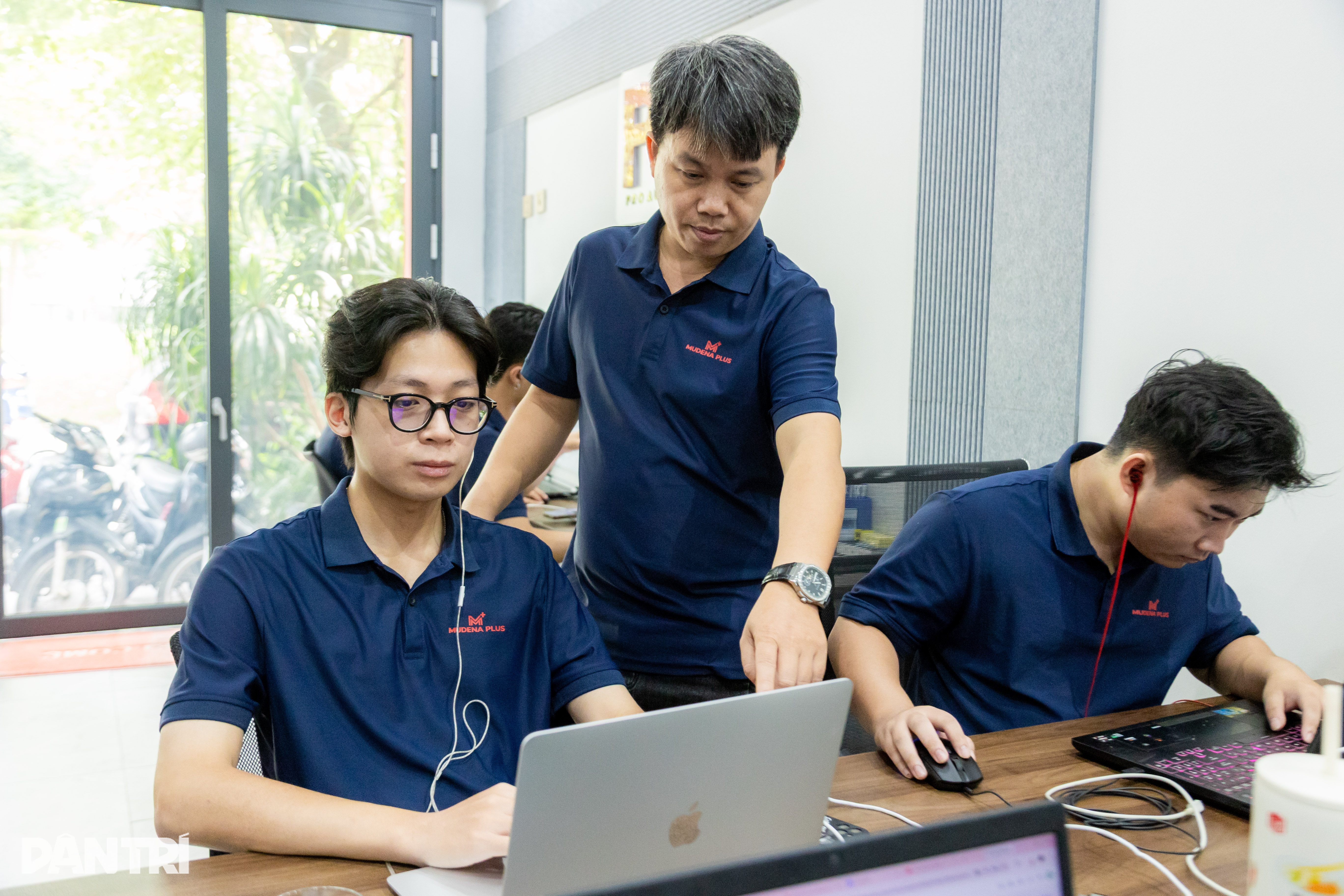
Director Ta Huy Cuong said that when AI helps increase production speed, the problem of protecting scripts and images also becomes more urgent (Photo: Tuan Anh).
At the workshop, before AI participated in writing the detailed script, the content and outline had to be built, checked and approved by humans. After AI helps complete the script, the content continues to be approved again before being put into the movie creation platform.
The system then analyzes the characters, settings, props, and divides the script into scenes. The filmmaker continues to check, select images and decide on the results before the videos are merged into a complete episode.
According to director Ta Huy Cuong, the most difficult part in the process is still the script. "The most important thing is still the script. AI cannot replace humans at this stage," Mr. Cuong said.
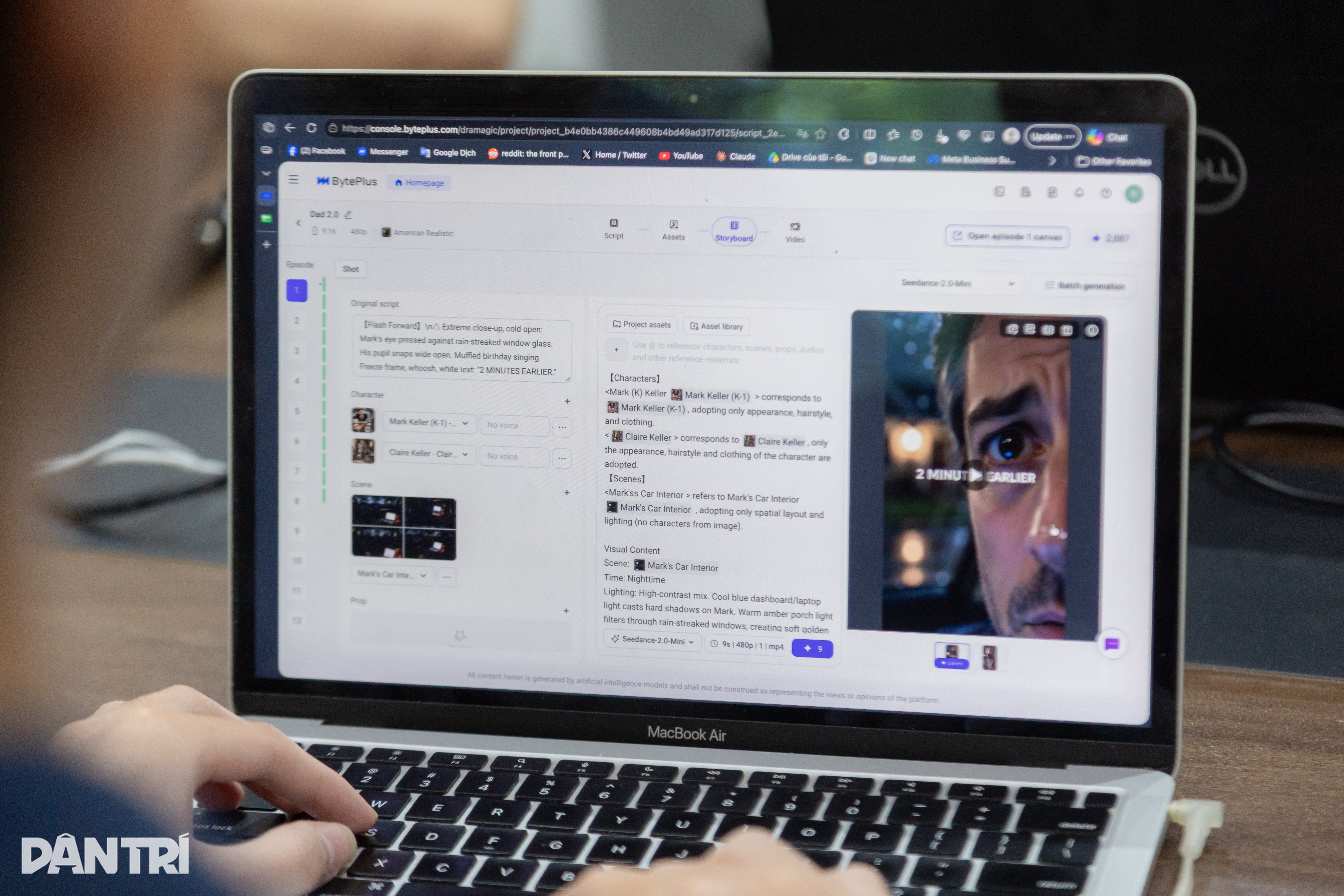
According to Mr. Cuong, what needs to be protected is not only the AI face but also the script, images and products invested in creating (Photo: Tuan Anh).
The rapid increase in production speed also makes the problem of protecting content clearer.
According to Mr. Cuong, if you only produce a few films, managing scripts, images and related documents is still relatively simple.
But with a model that can create hundreds of episodes per day and moving towards a larger scale, the number of scripts, characters, settings and images created is also increasing very rapidly.
The director believes that what businesses care about is not registering each random face that AI creates, but how to protect the scripts, images and products that have been invested in and created.
He hopes that in the future there will be a convenient way for high-volume manufacturers to record, submit and trace their products.

Director Ta Huy Cuong recommends only using images of real people with consent, instead of arbitrarily taking faces on the Internet (Photo: Tuan Anh).
Another issue that director Ta Huy Cuong paid special attention to was the image source used to create the characters.
He said that at the workshop, the recommended direction is to use the image of the content creator, relatives, friends or employees when these people know and agree, instead of arbitrarily taking a person's face online to put it into the AI system.
When creators begin to want to protect AI "assets".
The story of Mr. Hoang Vy and director Ta Huy Cuong shows a change that is taking place as AI goes deeper and deeper into the content production process.
Initially, the tool may only be used to test creating a photo or video. But when users spend months building a persona, maintaining that persona across multiple products, or a business invests in a series of scripts and films, digital products begin to be seen by them as part of their creative assets.
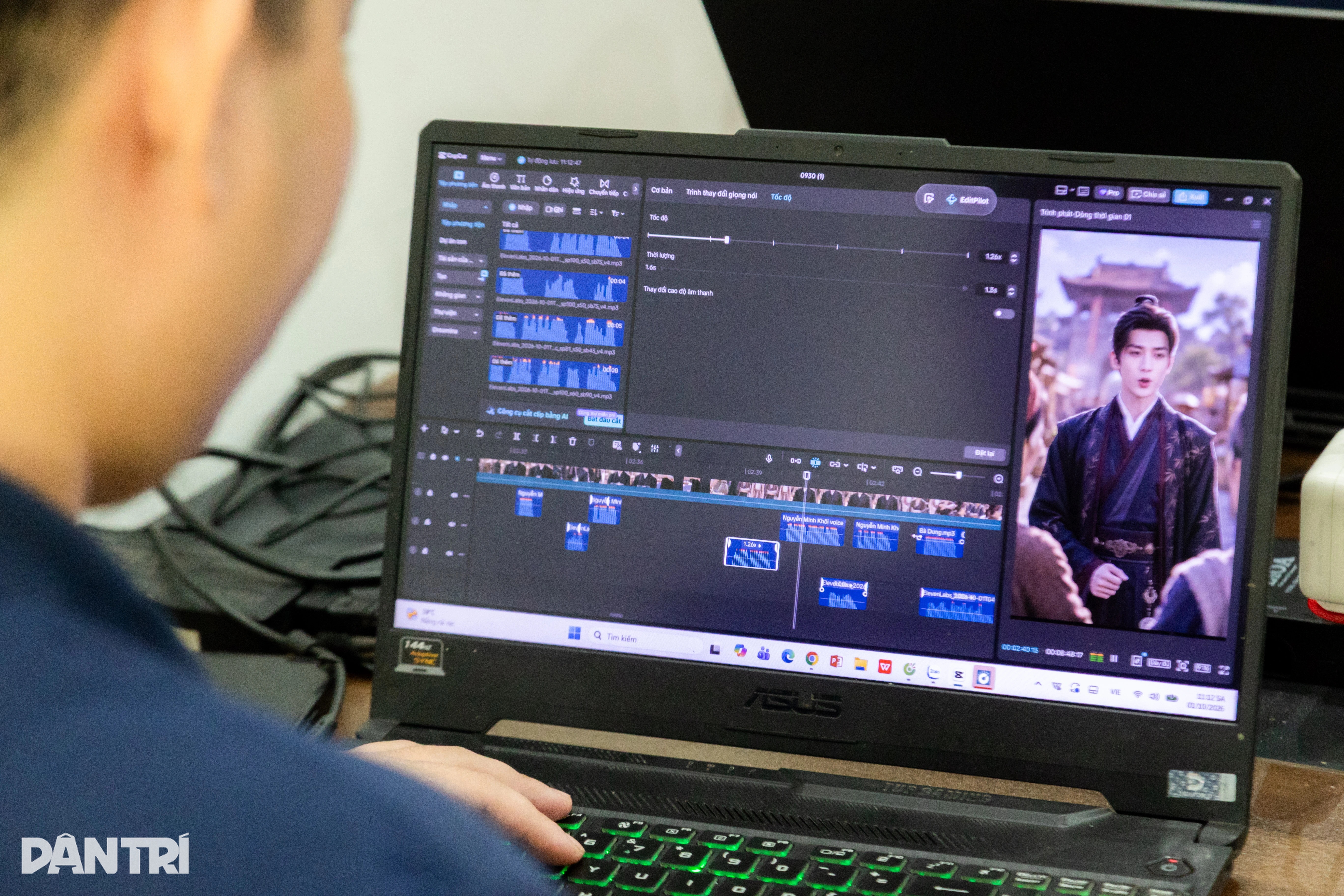
When AI becomes a production tool, creators begin to consider characters, scripts and digital images as part of their assets that need to be protected (Photo: Tuan Anh).
For Mr. Vy, it is Bella and Maria, characters built to become signs of identity.
For director Ta Huy Cuong, these are scripts, images and films created in a process with continuous human participation.
The common point is that both are facing the same question: if that work is taken back, copied or continued to be used by someone else with another AI tool, how far can the creator protect himself?
Dan Tri will continue to post analysis and advice from lawyers on how to protect rights to products using AI in the next article.