How Samsung narrows the gap between stick and folding smartphones
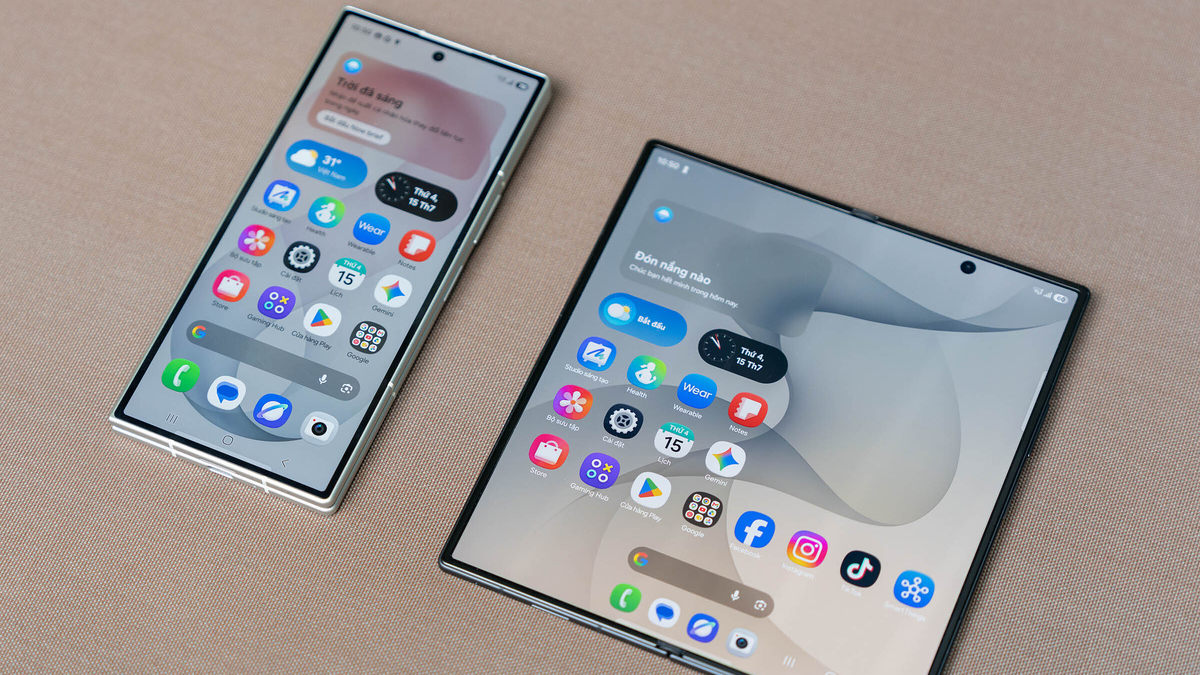
The folding smartphone market is considered to be gradually maturing, instead of being for demonstration purposes or for people who like to learn about technology. Apple's possible participation this month is also expected to help the segment become exciting.
"2026 will be an exciting year for foldable phones with many product launches, driving the market to grow 30% over the previous year," Nabila Popal, Senior Research Director at IDC told China Daily in June.
However, convincing users to switch from bar phones to foldable phones still faces many barriers. It's not simply about hardware, the decision to change devices also comes with questions about data, applications and usage habits. Some companies are starting to have software and hardware solutions, in which Samsung is considered to have made many efforts to improve the Galaxy Z series after 7 generations.
Data transfer is simpler
When changing phones, users often worry about whether contacts, messages, photos, videos, notes, calendars and application data will remain the same. Data transfer tools like Samsung Smart Switch, Google Android Switch or Xiaomi Mi Mover help simplify this process. In particular, Smart Switch supports transferring data from Android or iOS to Galaxy devices via cable, wireless connection, computer or cloud, depending on the device and operating system version.
However, not all data can be copied as-is due to operating system differences. Apps without compatible versions, DRM-protected content, banking login information, social networks or encrypted data may not be transferred. Users therefore need to check first instead of assuming all data will appear on the new device.
According to TechCrunch, Samsung's approach is transforming data from a technical operation into part of the device setup process, making switching devices simpler.
Design close to bar phone
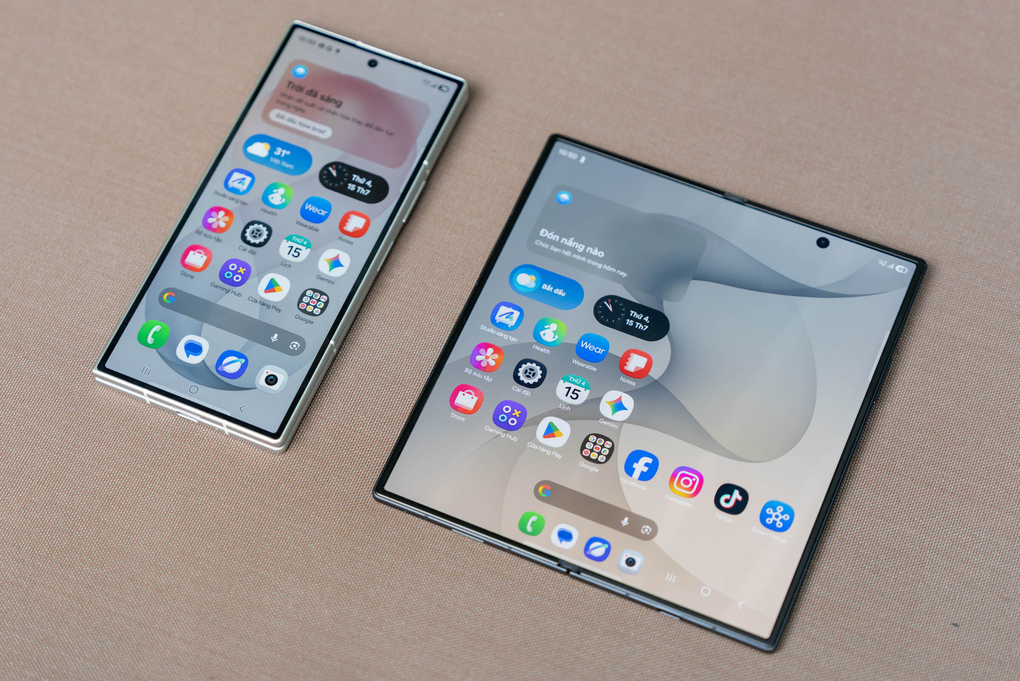
Folding smartphones are often thicker and heavier than traditional phones due to integrated hinges, multiple screens, and folding mechanisms. However, companies are narrowing the gap between the two body parts when closed, helping the device get closer to the experience of a bar smartphone.
For example, the Galaxy Z Fold8 Ultra has a thickness of 8.9 mm when folded and weighs 215 grams, a significant improvement compared to the first generation Galaxy Fold (17.1 mm and 263 grams). This parameter is even equivalent to iPhone 17 Pro Max (8.75 mm, 231 grams). Meanwhile, the Galaxy Z Fold8 has a 4:3 main screen, providing a better experience when reading, entertaining and viewing content, with a weight of 201 grams and a thickness of 9.7 mm when folded.
Samsung is not the first company to pursue thin and light folding smartphones, when Honor, Oppo and Vivo also have models such as Magic V6, Find N6 or Twitter Fold 6. Besides, bar phones still have the advantage of simple structure, ease of repair and price.
Enhance multitasking
According to 9to5google, converting a smartphone from stick to folding is not simply a matter of changing devices or operating systems. In fact, users are switching to a device with more screens, similar in size to tablets. This size only makes sense if the software can take advantage of that space.
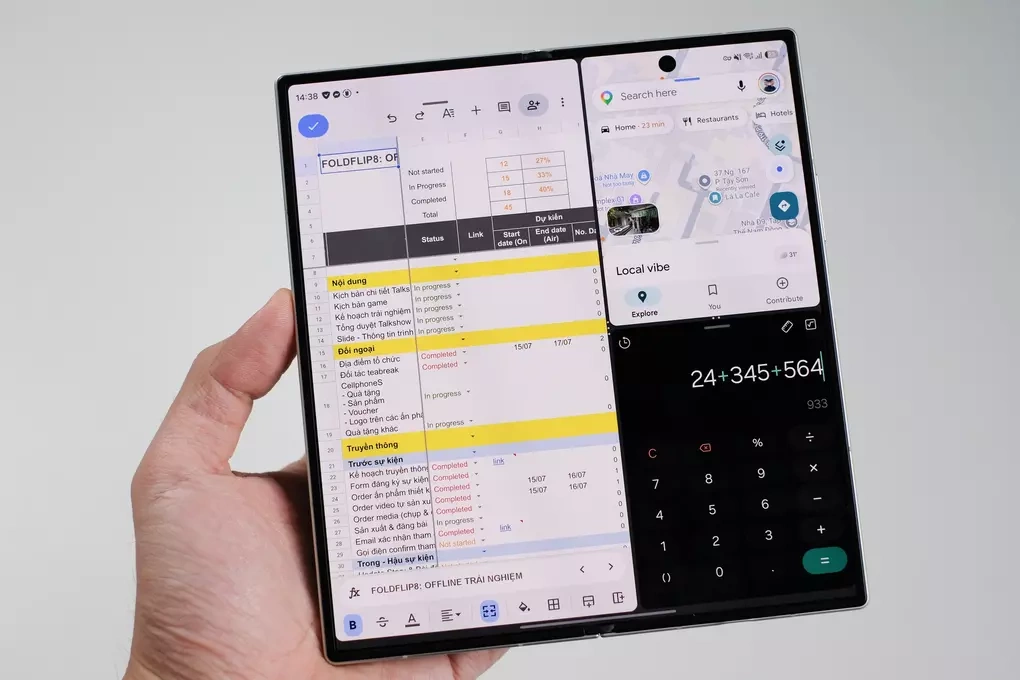
On the Galaxy Z 8 Series, Samsung combines a folding screen, One UI 9 and AI to enhance multitasking capabilities, not only by running multiple applications but also shortening switching operations and recommending workflows.
Galaxy Z Fold8 and Z Fold8 Ultra have 7.6 and 8 inch main screens, support split or triple screen, change window size and save frequently used application combinations. The drag and drop feature allows transferring text, images, and files between applications, while the Taskbar and Edge Panel help quickly open applications without returning to the home screen.
AI is also included in this process. On Fold8 Ultra, the AI agent can recognize situations where multiple tasks need to be handled and use Now Nudge to suggest opening Multi Window. Even though the Galaxy Z Flip8 has a smaller screen, it still supports splitting the screen or opening applications in floating windows.
These improvements are more suitable for people who often work on their phones, like checking email, documents, calendars and messages at the same time. For people who mainly communicate, use social networks or entertain, the benefits of a large screen may not be obvious beyond the larger display space.