How China promotes 'super cheap' AI short film industry
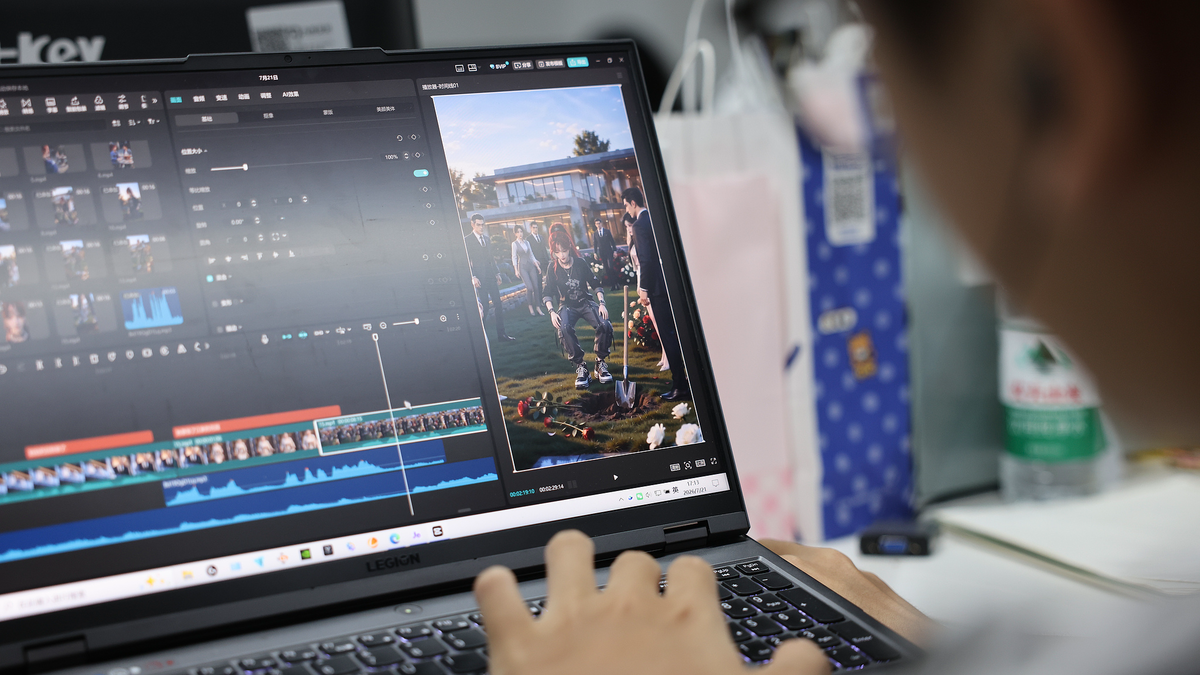
Two years ago, when Zhu Zhili was looking for a place to open an AI studio in the country of billions of people, the only suitable choice was Shenzhen - a southern city with a rich technology ecosystem. But this year, Zhu received many invitations from officials in cities and industrial parks across the country.
"Every day I receive offers from many places, from large urban areas to small localities, hoping we can build technology or companies there," Zhu told Reuters.
With support from the government, the AI short film industry of filmmakers, studios, and streaming platforms has grown rapidly. This is part of China's efforts to bring artificial intelligence into all economic sectors.
According to Zhu, currently in charge of the AI Content department at China Wit Media, China is creating the "best environment" for AI filmmakers with "low rent, living costs and supported computing power."
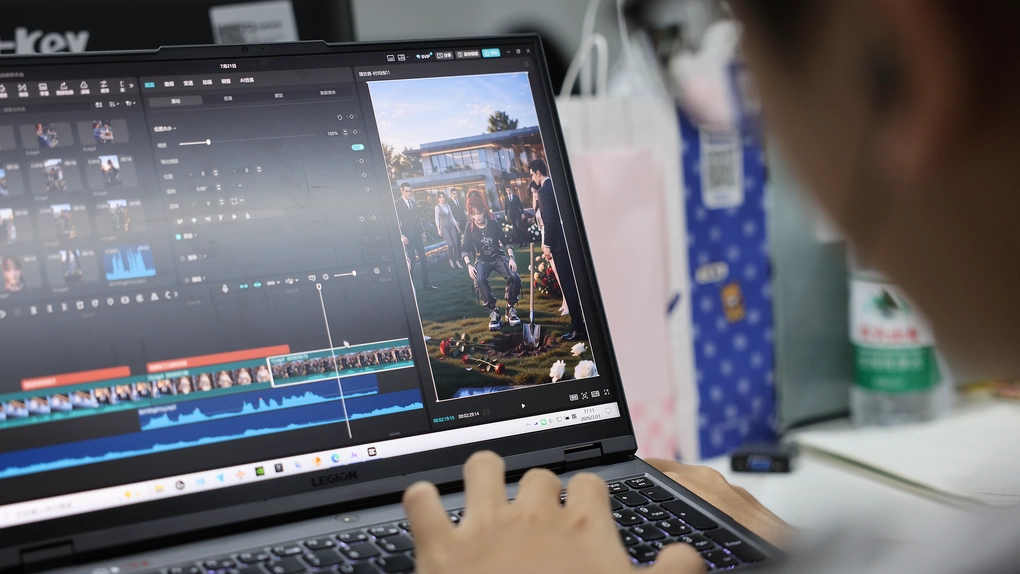
The cost of producing AI short films in China is very low. Pan Xiaojun, a graduate student in film directing in Hainan City, said a normal wedding scene can cost 60,000 yuan ($8,950), but AI can create the same scene for 1,400 yuan ($210). Subsidies from local governments provide further reductions.
Many other cities also have similar moves. In May, Shanghai introduced measures to promote AI short film production, providing computing power and cloud-based models to reduce costs and support film distribution abroad.
Meanwhile, Beijing has a fund of 260 million yuan to support audiovisual technology. Huairou District, a Chinese film center in Beijing, offers computing fee discount coupons to makers of short films using artificial intelligence.
Shenzhen City also strives to attract AI filmmaking talent by providing technical support for video production, content creation and visual effects, and rental incentives.
According to CCTV, in the first half of 2026, the cost of producing AI short films plummeted from 5,000 yuan (750 USD) to a few hundred yuan per minute. Huang Haonan, founder of Jiangyou Wenhua film studio, shared with Caixin Global that creating an AI short film takes less than 5 days, while a live-action film usually takes 15-30 days. The cost of AI movies is about 10% of traditional movies.
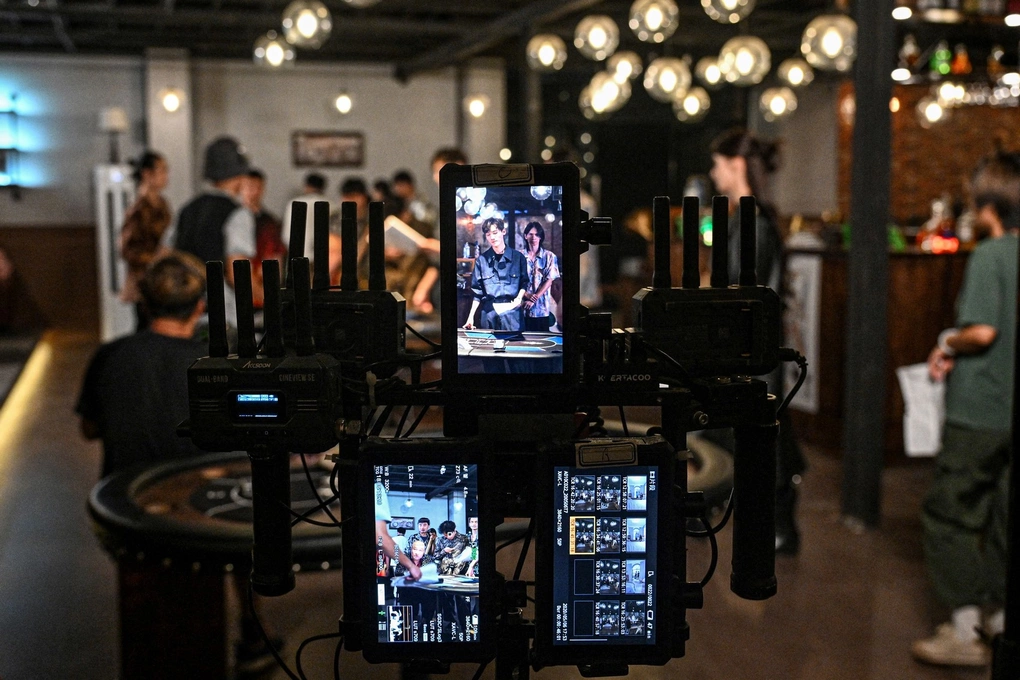
China's efforts to promote AI applications are welcomed by filmmakers like Zhu, Reuters said, but the industry also faces many risks.
Some signs suggest that video AI may be approaching the point of overload. According to data analytics company DataEye, in the first half of the year, 221,900 new AI shows launched on Douyin, the Chinese version of TikTok, but only 1,055 reached more than 100 million views, the threshold often considered successful.
In addition, some Chinese actors expressed concern about their images being used in AI movies, leading to copyright infringement and the risk of unemployment.
Many viewers also complained about copying and lack of originality. "Some people directly incorporate other people's characters or original clips into AI-generated content without attributing the source. That behavior is completely unacceptable," said Wen, a 22-year-old AI content viewer.
Despite the risks, Chinese AI short films are still booming and reaching abroad. Li Ruoqie, head of a short film studio, said they entered the North American market in May and have completed eight works, including an AI short film about vampires that exceeded 15 million views on TikTok.
"AI short films with Western elements such as vampires and werewolves satisfy North American audiences' preferences for Gothic, supernatural romance, while having much lower production costs than live-action films," Li explained.
According to He Biao, deputy director and spokesperson of the China National Radio and Television Administration, Chinese short films have become popular in more than 200 countries and regions, accounting for more than 80% of the overseas short film market. Industry experts shared with CGTN that AI adds a "digital boost" to this film genre, supporting script writing, creating visual effects, multilingual dubbing and audience analysis, helping to significantly increase production and distribution efficiency.