AI skills training is needed to support people with disabilities to participate in the labor market
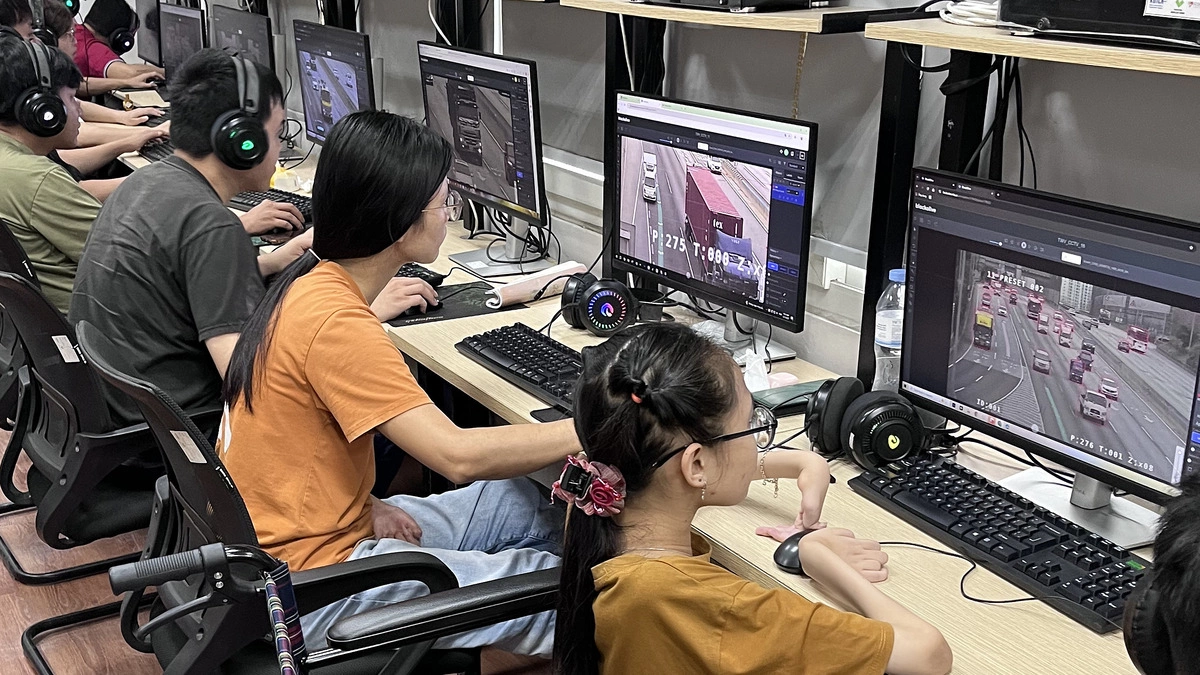
At the conference on Inclusive AI Governance and Employment for People with Disabilities on July 7, Mr. Tran Vu Tuan Phan, Deputy Director of the Center for Strategic Consulting, Science and Technology Policy, Academy of Science and Technology Strategy, said that the approach towards people with disabilities is shifting from "care" to "empowerment", in which new technology such as AI plays an important role in creating conditions for people with disabilities to develop their abilities and participate equally in the labor market.
Mr. Phan said, without an inclusive approach and ensuring universality, AI can deepen the gap in access to training, digital skills, and employment for people with barriers to mobility, hearing, vision, and communication. In Vietnam, there is still a large gap in Internet access between people with disabilities and people without disabilities. According to updated data in 2023, this gap is 33.6% and 83.7% respectively.
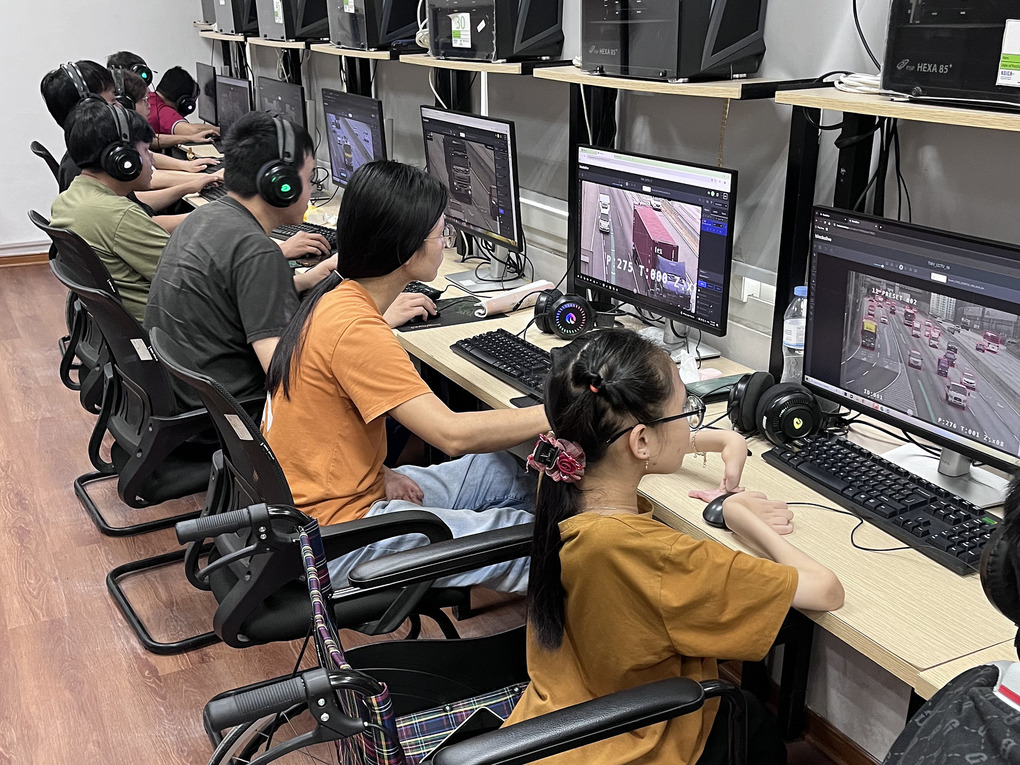
Dr. Bui Ngoc Dung, a machine learning and computer vision researcher at the University of Transport, said that people with disabilities do not lack capacity but lack appropriate accessibility tools. "AI helps remove access barriers so they can develop their inherent abilities," he said.
According to Dr. Dung, currently available AI tools for image recognition, text-speech conversion, voice control... can help people with visual impairments, hearing impairments, and mobility disabilities overcome barriers to accessing information, communication, and manipulation abilities to participate in the labor market. They can design, create content, take care of customers, program and test software, process data, sell online, work online... if they are trained in digital skills and job connections. "A long-term approach is needed - from consulting training courses to help people with disabilities determine capacity, then training on how to use tools and job connections, to monitoring suitability," he said.
Dr. Vo Thi Diem Trang, a communications and policy researcher at RMIT University, also said that job opportunities in the digital economy are becoming more and more, but for people with disabilities to grasp them, it is necessary to strengthen connections between businesses, training and support institutions and the disabled community.
Having conducted a survey of 76 businesses in Da Nang, Dr. Trang said that for every 3 businesses, one has at least one employee with a disability, mainly in software testing and design positions. She believes that the four main barriers for people with disabilities to participate in the labor market are digital skills - especially among older people. Meanwhile, facilities at businesses do not support people with disabilities, policies to support businesses in recruiting people with disabilities are not taken advantage of, and there are social prejudices.
"It is necessary to strengthen connections between employment training facilities for people with disabilities and businesses, while businesses can also build more flexible working policies and a culture willing to accept diversity in the organization," Dr. Trang recommended.
Nam Nguyen