'Father of the Internet' retires at age 83
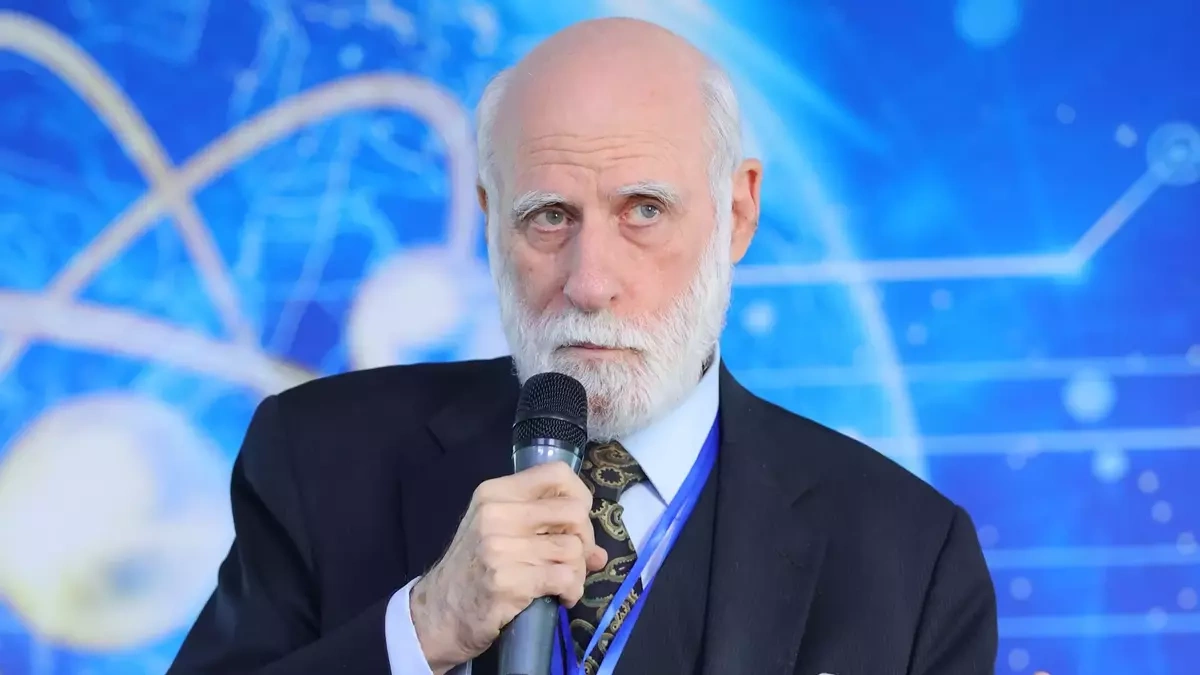
According to Tech Crunch, the information was unexpectedly revealed by professor Dave Patterson at UC Berkeley when introducing him at the Open Frontier technology conference on June 30. "Vint has devoted more than 20 years to Google and will officially retire in a week. I think we should give a round of applause for an extremely brilliant career," Patterson said.
Google has not yet commented.
Vinton Gray Cerf, born in 1943, and his colleague Robert Eliot Kahn are considered the "father" of the modern Internet. Since the 1970s, he led the development and popularization of the TCP/IP protocol suite, the set of basic rules that allow different computer networks to communicate and transmit data back and forth. This contribution earned him a series of honorary doctorates and the prestigious Turing Award. Since 2005, he joined Google with the special title of Vice President and Director of Internet Promotion.
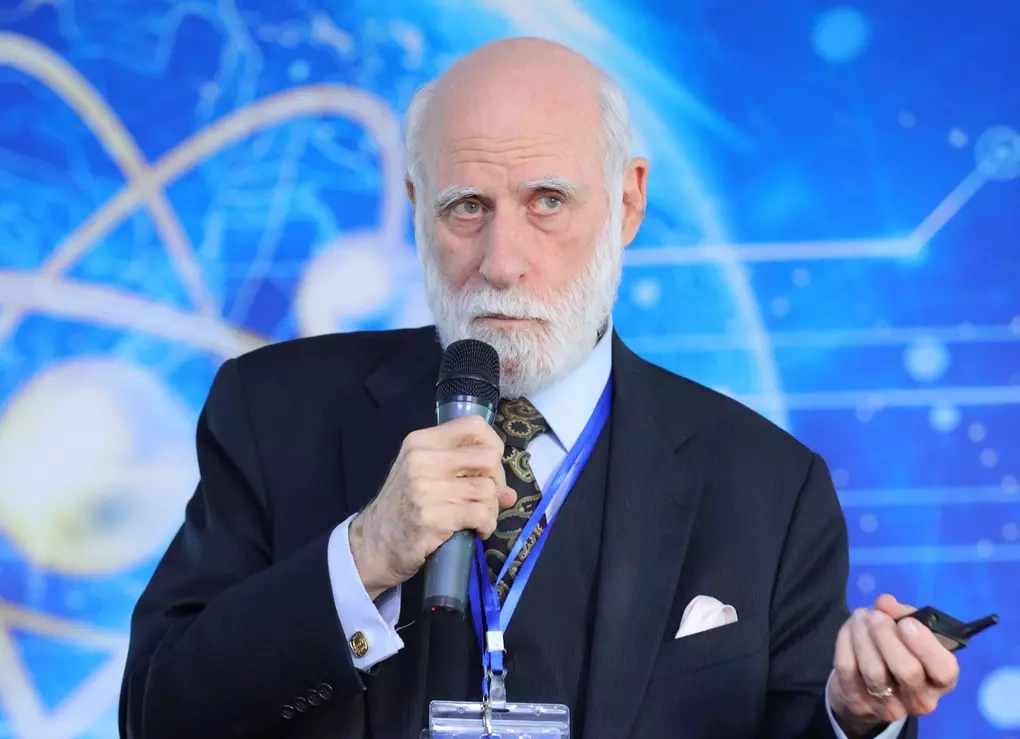
At the conference, when discussing the future of the technology industry before the wave of artificial intelligence, the 83-year-old expert predicted that the explosion of AI agents will force large technology corporations to return to uniform protocol standards, similar to how the Internet was formed, instead of the current trend of being closed in laboratories.
"The autonomous AI model, where many AI agents from many different sources interact with each other, will require very high compatibility and standardization," he analyzed.
The "Father of the Internet" also rejected the notion that AI can communicate with each other using natural languages like English, instead of machine language. "I don't think English is a good choice. Natural languages are flexible but vague, while precision in interactions between AI systems is extremely important. An AI needs to be sure its partner understands what they just agreed to," Vint Cerf said.
To put it into practice, he took the example of the communication game. "Imagine whispering in one person's ear, and when the message passes through 10 people, the content is completely distorted. Having a long line of AI robots converse with each other in natural language would be a pretty scary prospect," he commented.
Besides sharing expertise, the workshop also evoked interesting memories of Vint Cerf's trademark fashion style. Unlike the usual casual image of technology engineers, he has always appeared elegant in neat three-piece suits since he was a student.
"At that time, instead of growing my hair long or piercing my nose to make a difference, I chose to dress formally as a separate path," he shared.
Huy Duc