The shirt helps 'avoid' AI surveillance cameras
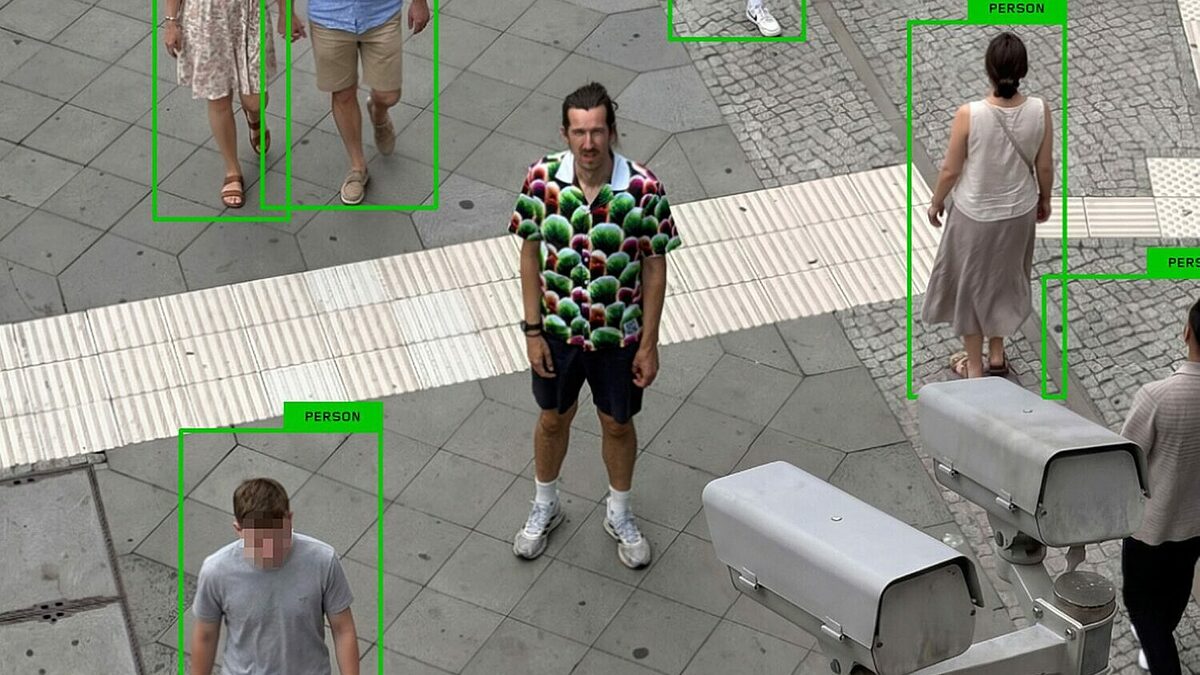
The shirt, called Digital Camouflage, was born in response to the AI video surveillance system pilot project at Kottbusser Tor, Berlin, starting in August. Design Boom said the shirt is made in Latvia with materials including 65% recycled polyester and 35% polyester.
Designer Simon Weckert said the wearer will not be identified by cameras as an individual. According to him, the AI system is created from many layers and does not really understand the nature, but only learns the human shape based on statistics from millions of training images.
"The first layers are contours, contrast and texture transitions, deeper are the body-like patterns such as the shape of the head and shoulders, the proportion of the limbs to the torso, the seamlessness of the body outline with the background," he explained to Dezeen. "To machines, 'people' are just a collection of visual statistics. That's their weakness."
The Digital Camouflage shirt combines patterns with bright colors to fool AI, making the system not recognize that what they are observing is a human. Saturated color transitions create strong signals in the first layers of the viewing system, while overlapping patterns break the continuity of body contours, making it impossible for the detector to link parts into a person.
"To humans, it looks almost like a hypnotic fabric, but to the AI model, it's nothing," Weckert said.
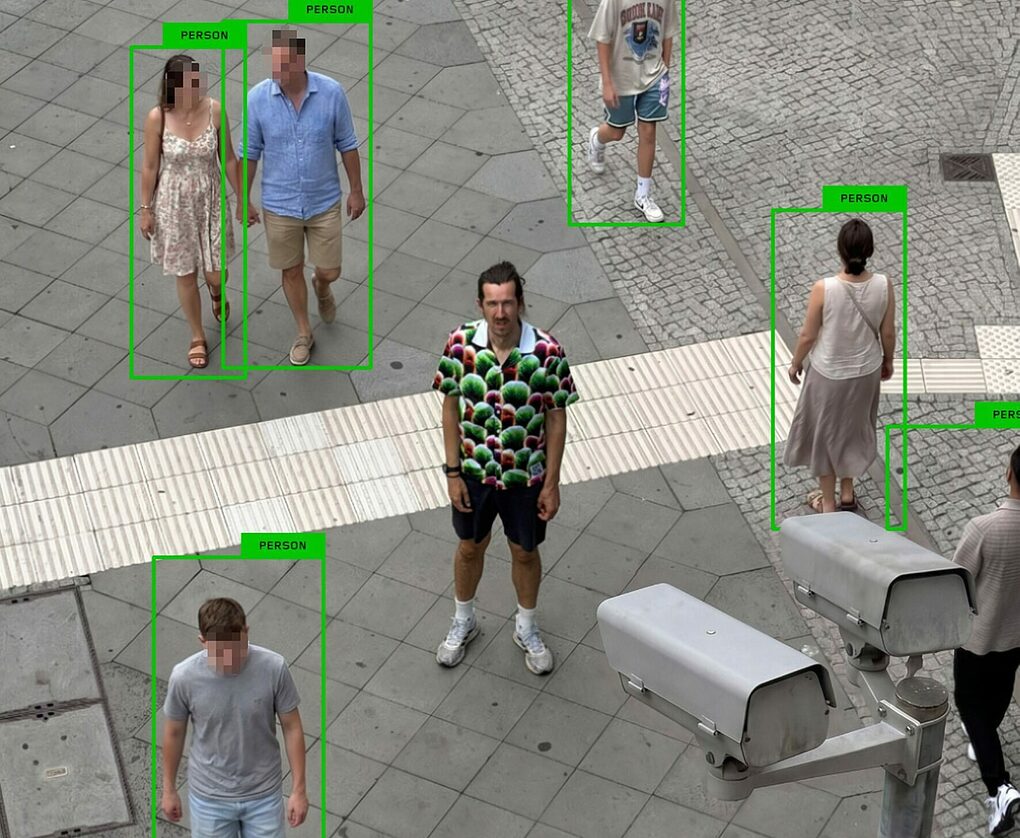
What's interesting is that to design shirt patterns, Weckert also uses AI. He tested many versions using the "antagonistic loop" method with the recognition camera system itself. First, he created a "pattern candidate", held it up to the camera, measured its recognition ability, then adjusted and repeated the process until the recognition ability disappeared.
According to Futurism, Weckert, a self-proclaimed "modern-day digital wizard", attracted a lot of attention in 2020 when he used a cart loaded with smartphones, created a fake traffic jam on the streets of Berlin and fooled Google Maps.