Admire the rare total solar eclipse of 2026
Admire the rare total solar eclipse of 2026
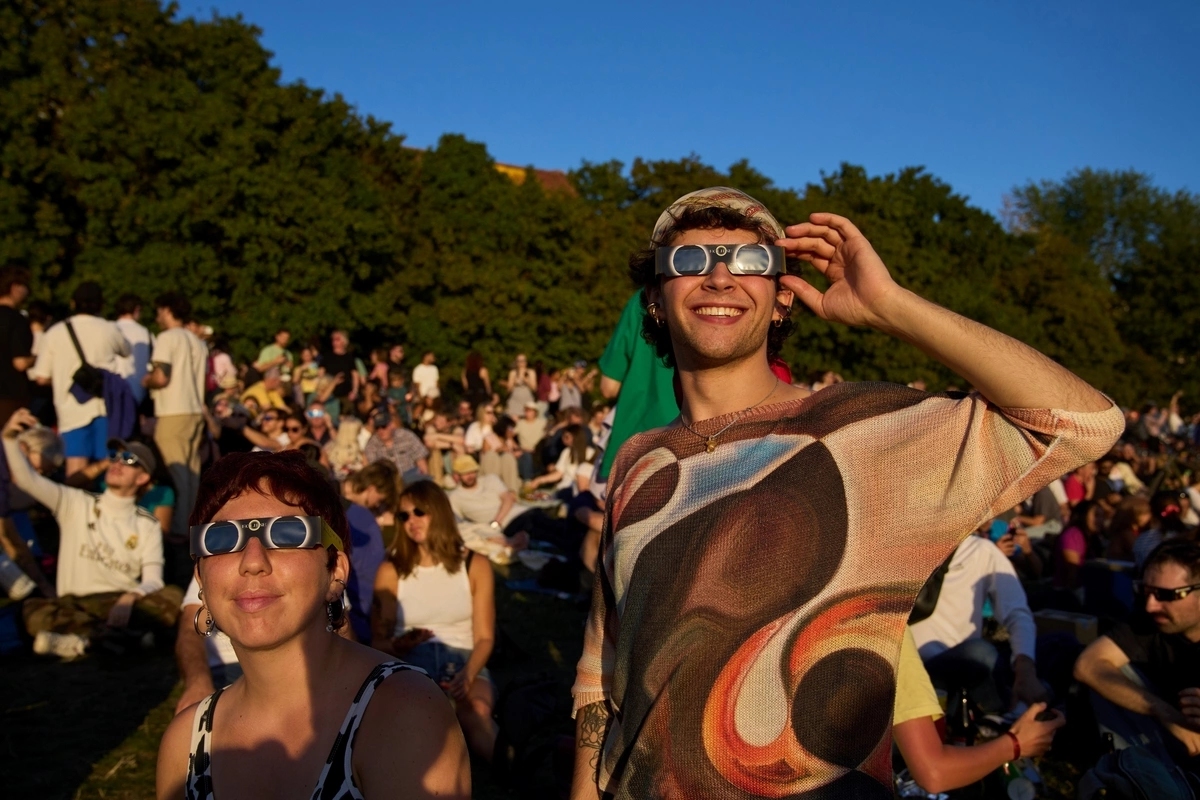
People gathered at the old Tempelhof airport in Berlin, Germany, to observe the solar eclipse with special goggles. Photo: AP
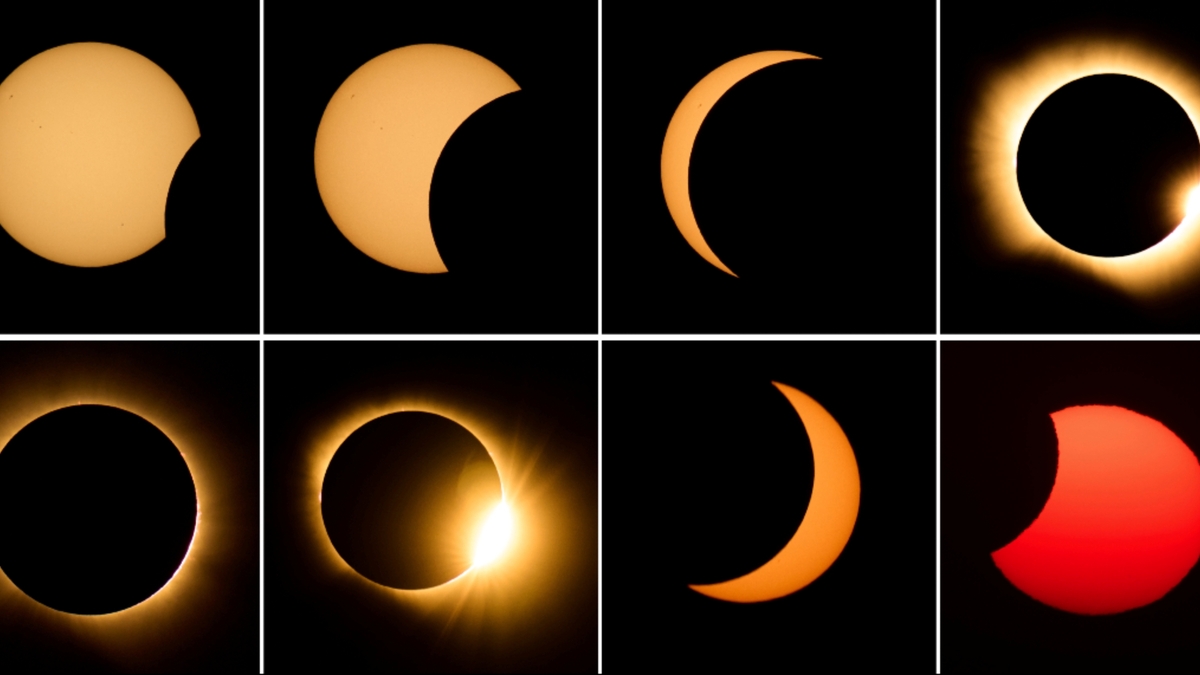
The event begins with a partial eclipse that lasts about an hour. The Moon presses on the edge of the Sun and gradually obscures the star's surface. Next comes the brief phase of totality, after which the Sun emerges from the Moon. The phases of the eclipse last a total of about two hours.
People gathered at the old Tempelhof airport in Berlin, Germany, to observe the solar eclipse with special goggles. Photo: AP
The event begins with a partial eclipse that lasts about an hour. The Moon presses on the edge of the Sun and gradually obscures the star's surface. Next comes the brief phase of totality, after which the Sun emerges from the Moon. The phases of the eclipse last a total of about two hours.
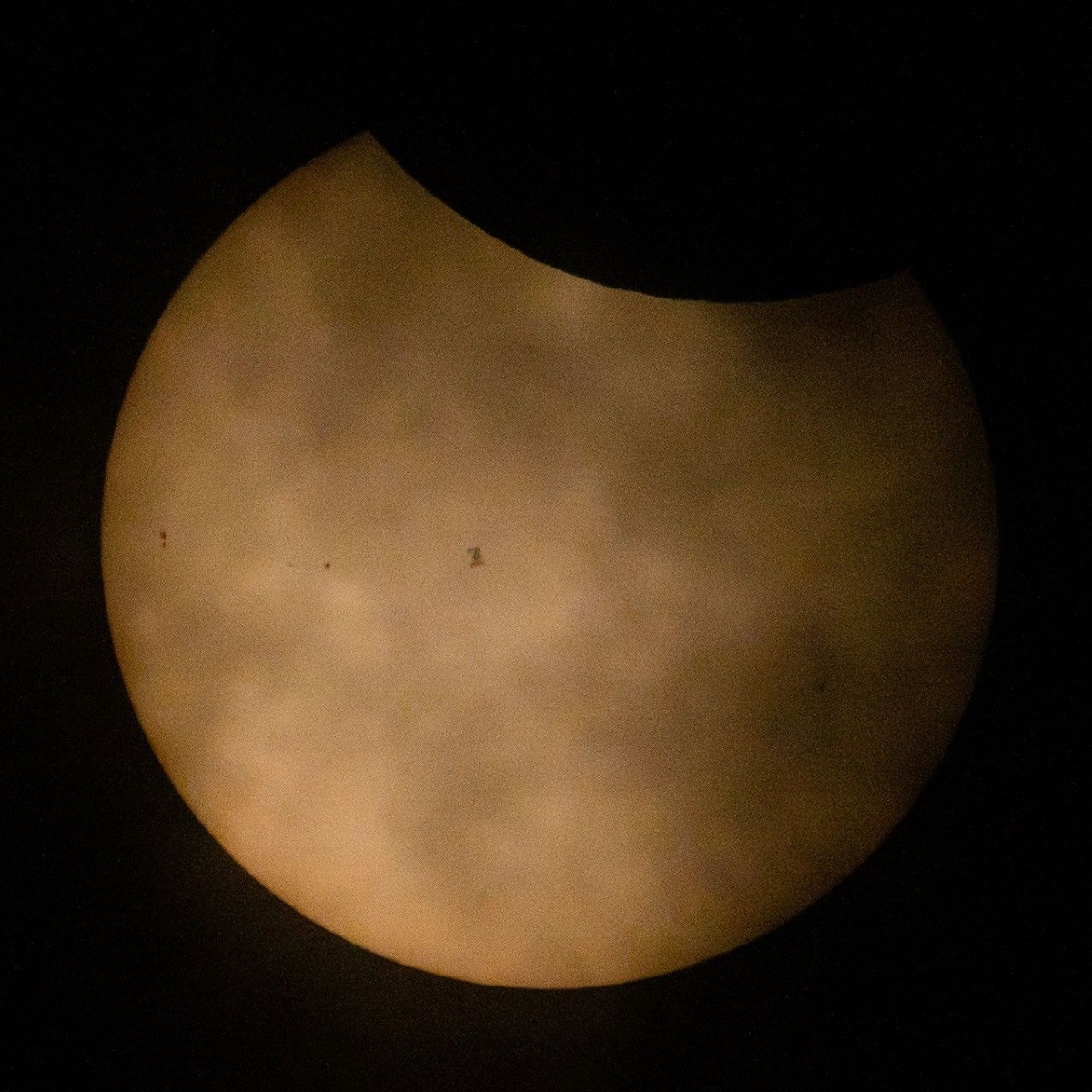
Photo taken from Maine, USA, shows the Sun partially obscured during a solar eclipse, the International Space Station (ISS) appearing as a shadow as it flies by at a speed of about 8 km/sec. Photo: NASA
The ISS station currently has 7 astronauts living and working, including Jessica Meir, Anil Menon, Jack Hathaway of NASA, Sophie Adenot of the European Space Agency (ESA), Pyotr Dubrov, Andrey Fedyaev, Anna Kikina of the Russian Space Agency (Roscosmos).
Photo taken from Maine, USA, shows the Sun partially obscured during a solar eclipse, the International Space Station (ISS) appearing as a shadow as it flies by at a speed of about 8 km/sec. Photo: NASA
The ISS station currently has 7 astronauts living and working, including Jessica Meir, Anil Menon, Jack Hathaway of NASA, Sophie Adenot of the European Space Agency (ESA), Pyotr Dubrov, Andrey Fedyaev, Anna Kikina of the Russian Space Agency (Roscosmos).
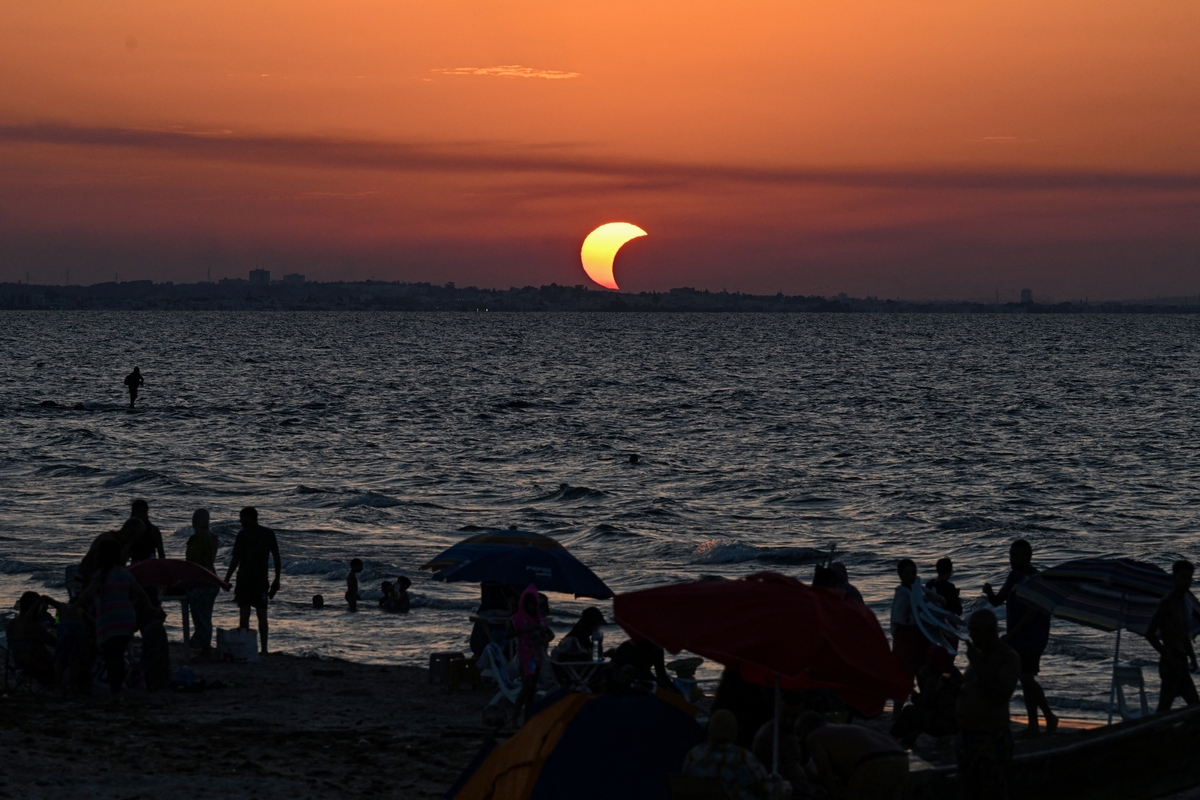
People watch the partial solar eclipse at Soliman beach in Nabeul province, Tunisia. Photo: AFP
People watch the partial solar eclipse at Soliman beach in Nabeul province, Tunisia. Photo: AFP
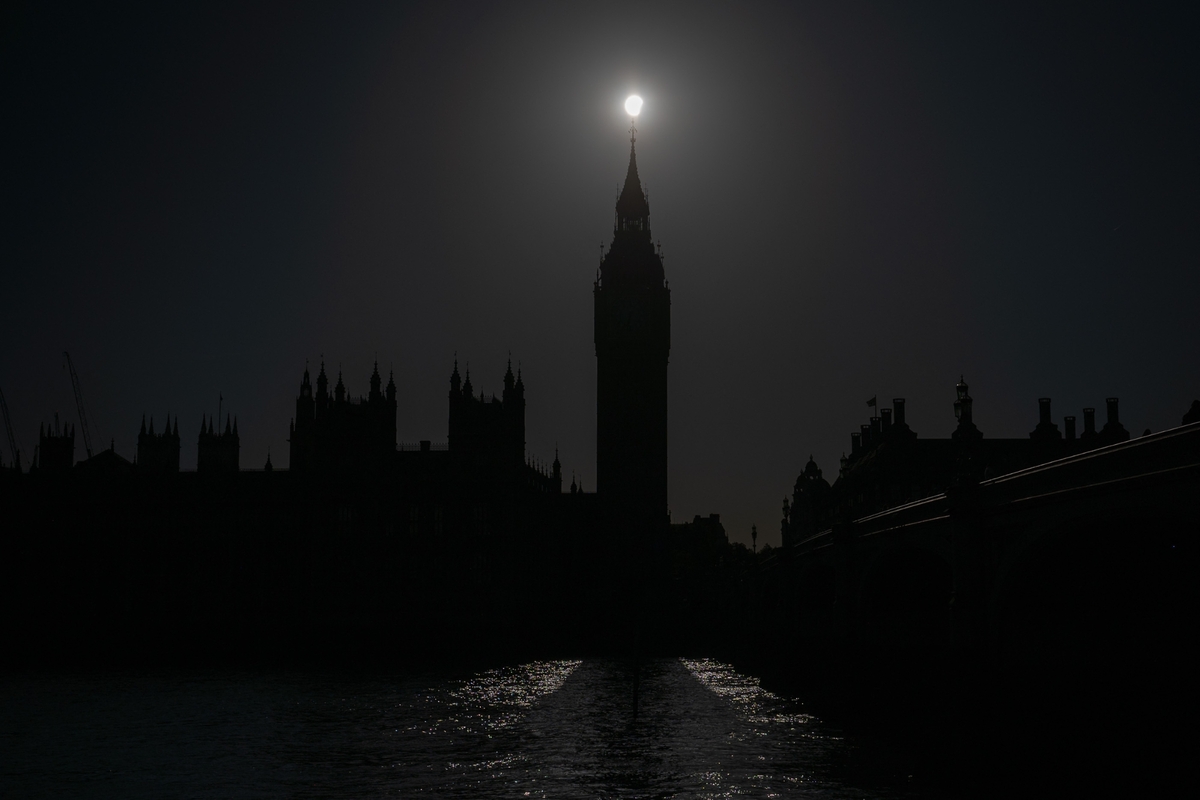
Elizabeth Tower (Big Ben) when the Moon passes between the Sun and the Earth in London, England. Photo: AFP
Elizabeth Tower (Big Ben) when the Moon passes between the Sun and the Earth in London, England. Photo: AFP
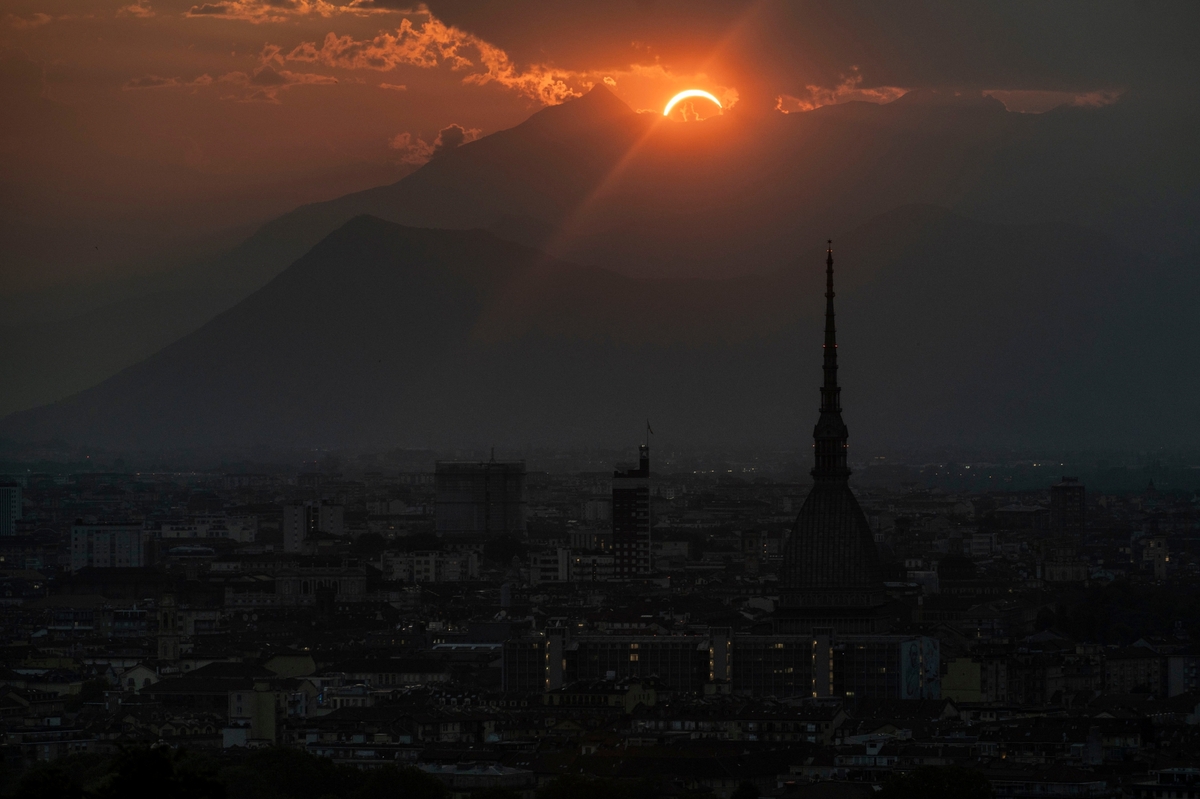
Sun above the hills in Turin, Italy. Photo: AP
Sun above the hills in Turin, Italy. Photo: AP
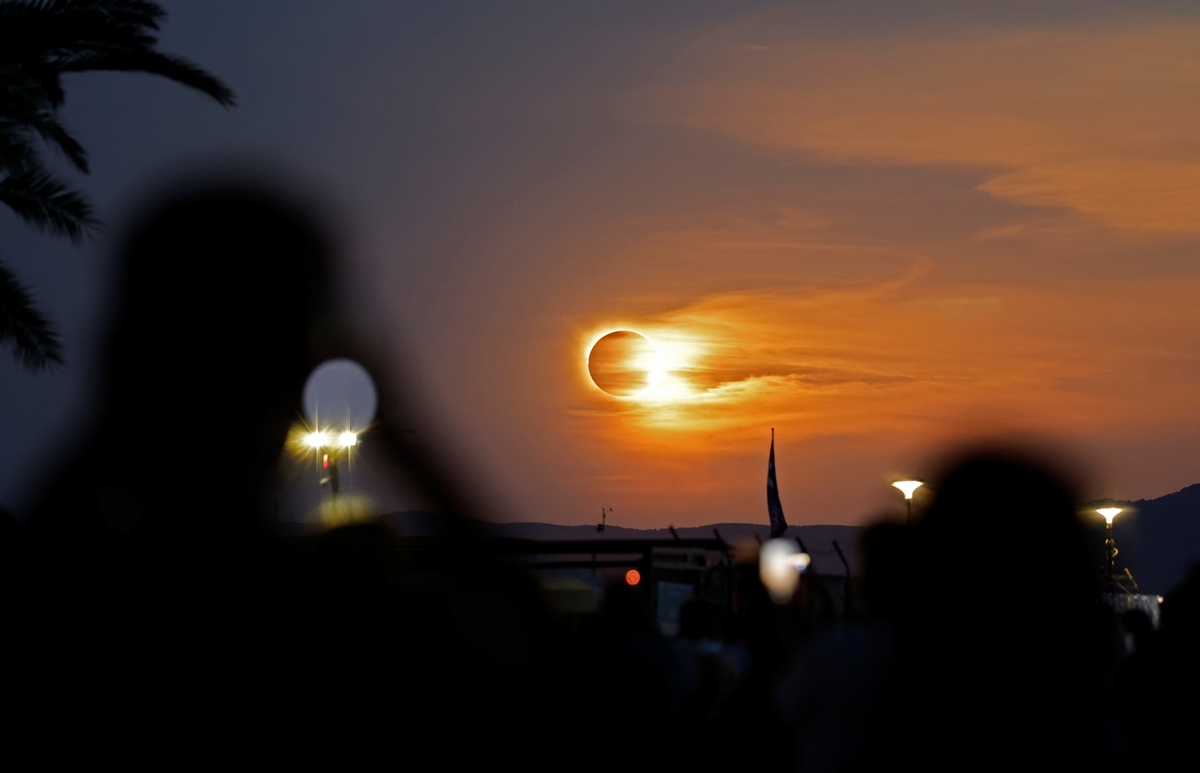
The corona (the outermost layer of the Sun's atmosphere) is bright during totality, as seen from Arenal beach on the island of Mallorca, Spain. Photo: AFP
According to Sky News, places within the band of totality, 100-200 km wide on the Earth's surface, will be in darkness. Some places in this range are northern Russia, Greenland, Iceland, Spain, and a small corner of Portugal. People in areas like the northern United States only saw a partial eclipse. However, the UK and Ireland have the opportunity to witness a partial solar eclipse, when the Moon obscures 90-96% of the Sun, creating a deep twilight effect rather than complete darkness.
The corona (the outermost layer of the Sun's atmosphere) is bright during totality, as seen from Arenal beach on the island of Mallorca, Spain. Photo: AFP
According to Sky News, places within the band of totality, 100-200 km wide on the Earth's surface, will be in darkness. Some places in this range are northern Russia, Greenland, Iceland, Spain, and a small corner of Portugal. People in areas like the northern United States only saw a partial eclipse. However, the UK and Ireland have the opportunity to witness a partial solar eclipse, when the Moon obscures 90-96% of the Sun, creating a deep twilight effect rather than complete darkness.
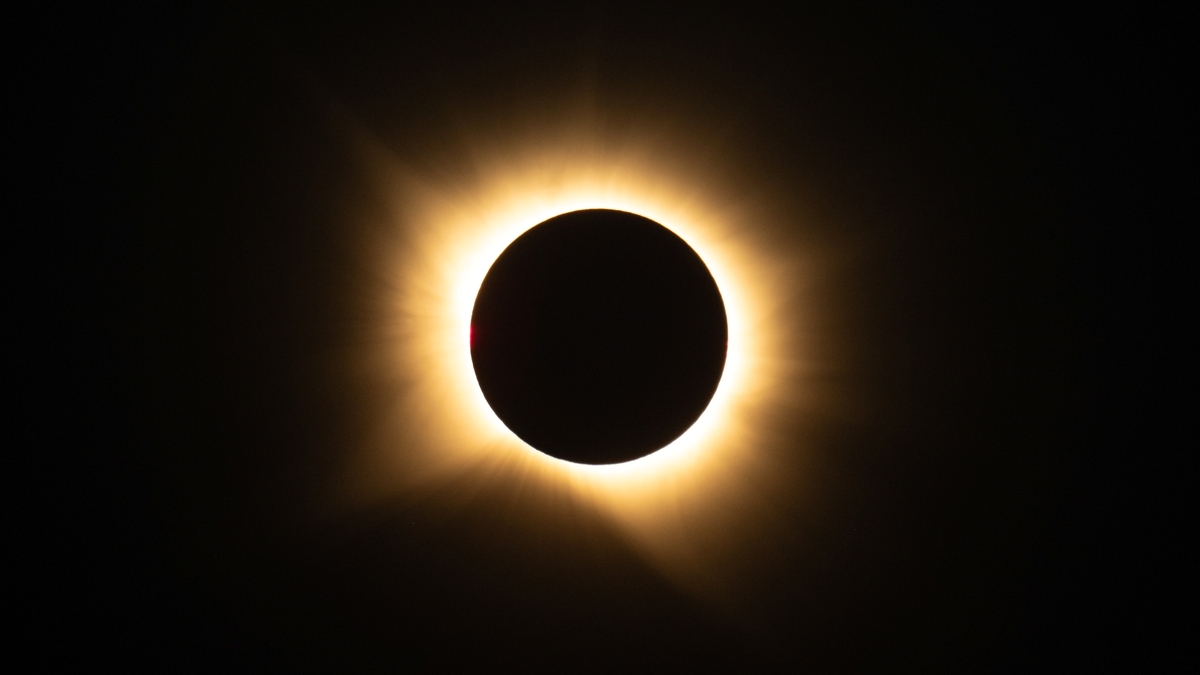
Total solar eclipse observed from San Millán de los Caballeros, Spain. Photo: NASA
According to CNN, this total solar eclipse provides scientists with a rare opportunity to study the mysterious shadow band phenomenon. These are strange gray ripples that glide across the ground in the minutes just before and after totality, when the Moon completely obscures the Sun, leaving the sky dark.
Total solar eclipse observed from San Millán de los Caballeros, Spain. Photo: NASA
According to CNN, this total solar eclipse provides scientists with a rare opportunity to study the mysterious shadow band phenomenon. These are strange gray ripples that glide across the ground in the minutes just before and after totality, when the Moon completely obscures the Sun, leaving the sky dark.
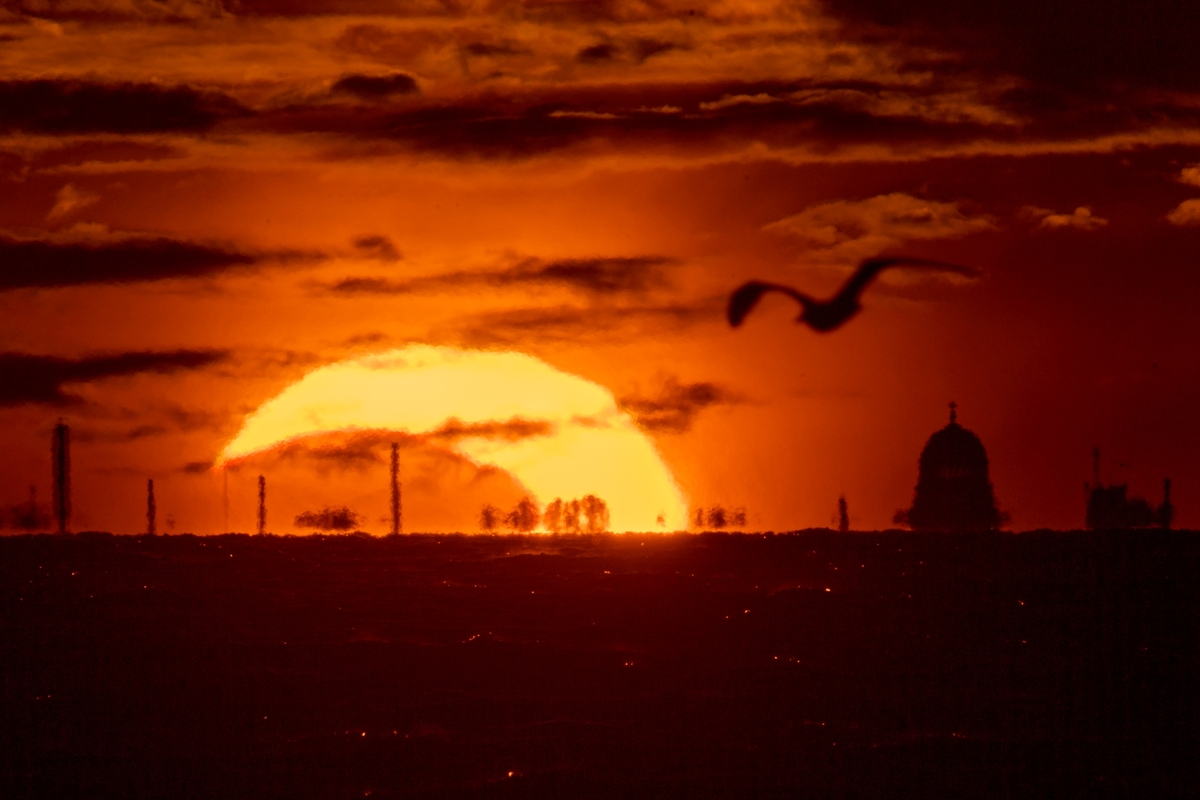
The Moon and Sun set into the Gulf of Finland during a total solar eclipse in St. Petersburg, Russia. Photo: AP
The Moon and Sun set into the Gulf of Finland during a total solar eclipse in St. Petersburg, Russia. Photo: AP
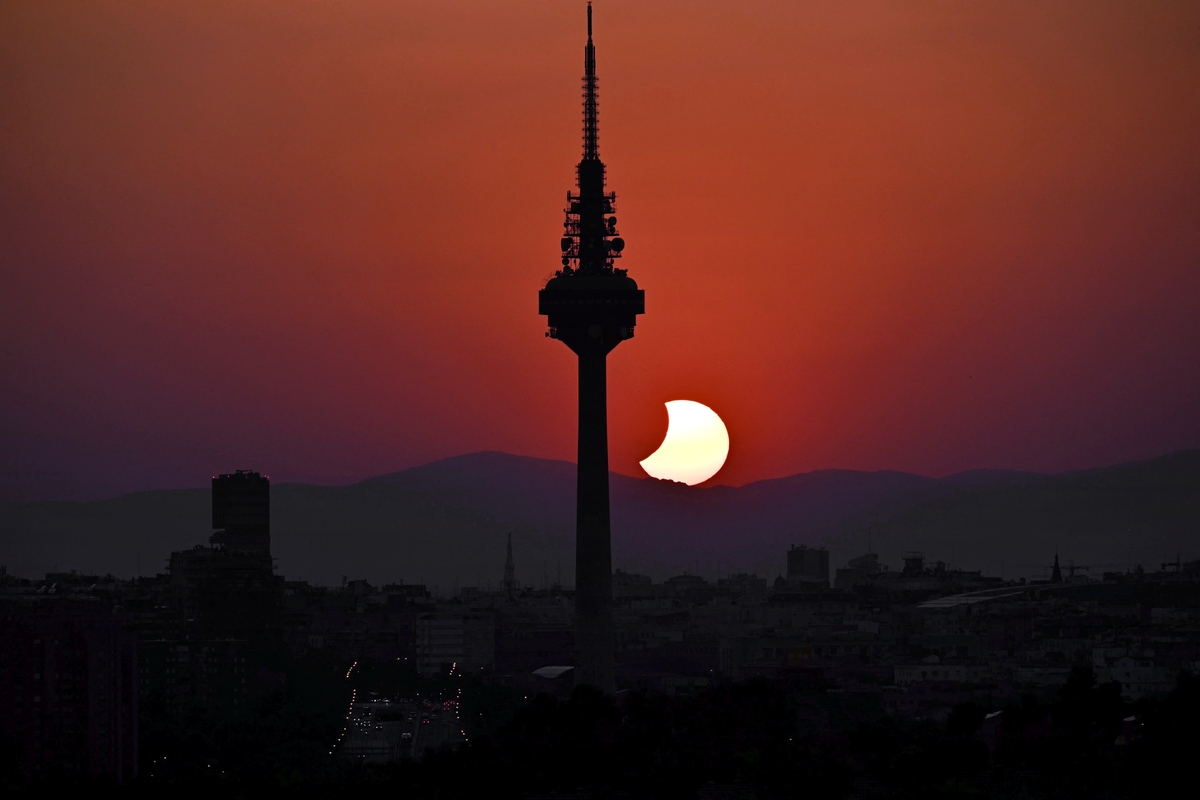
The Moon gradually moves away from the Sun behind the Torrespana television tower during the final moments of a total solar eclipse in Madrid, Spain. Photo: AFP
The Moon gradually moves away from the Sun behind the Torrespana television tower during the final moments of a total solar eclipse in Madrid, Spain. Photo: AFP
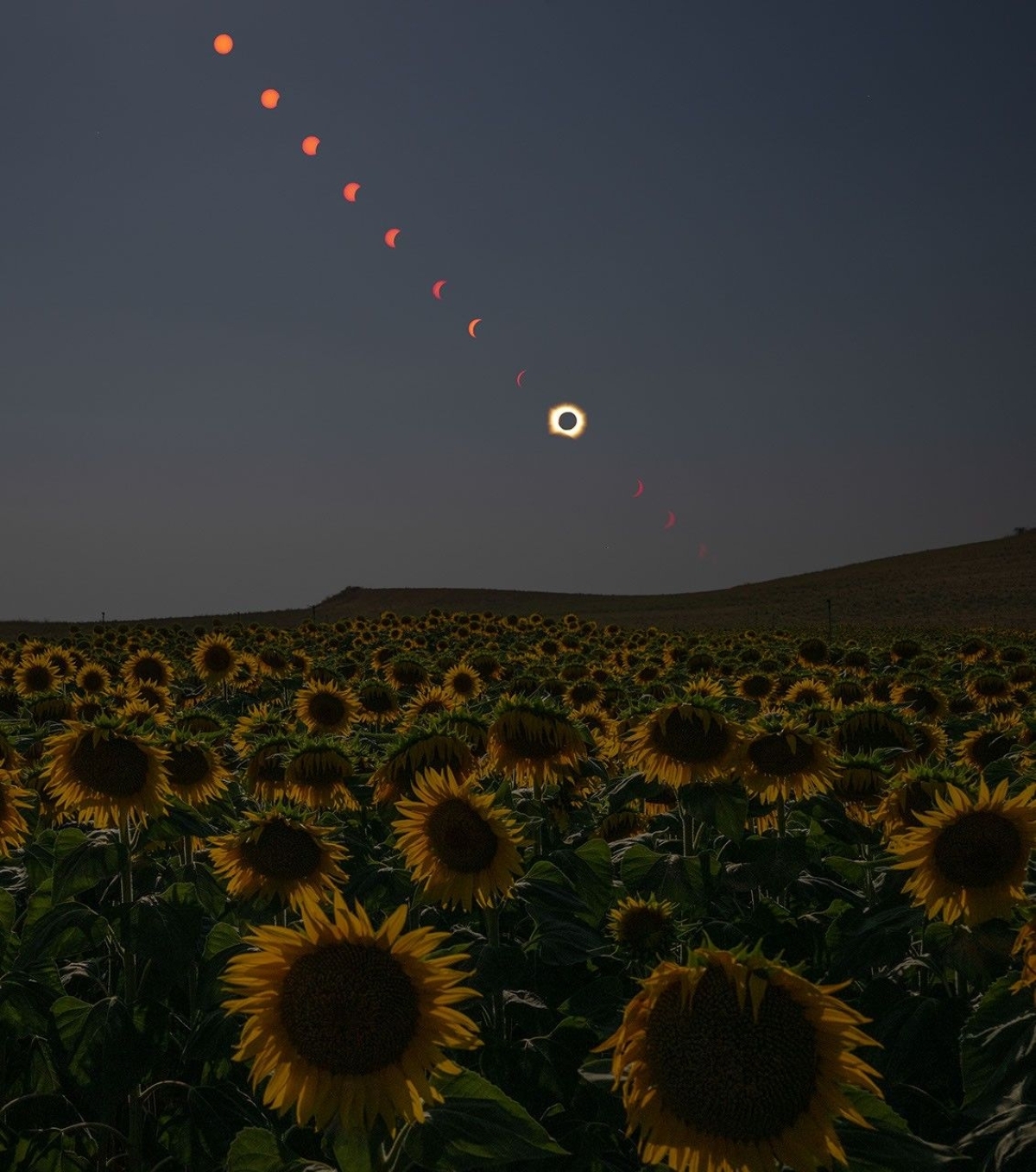
The evolution of the total solar eclipse in San Millán de los Caballeros, Spain. Photo: NASA
The evolution of the total solar eclipse in San Millán de los Caballeros, Spain. Photo: NASA
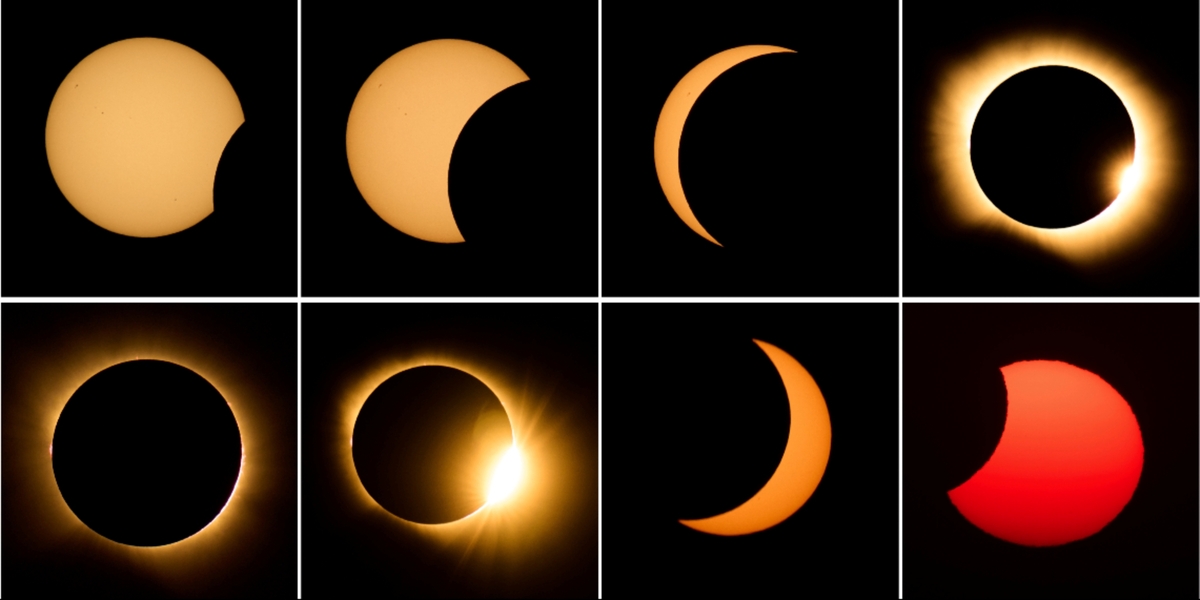
Composite image of total solar eclipse phases, in which the Moon slowly passes in front of the Sun, observed from Berlanga de Duero, central Spain. Photo: AP
Composite image of total solar eclipse phases, in which the Moon slowly passes in front of the Sun, observed from Berlanga de Duero, central Spain. Photo: AP