Viettel Chairman: Need to prepare infrastructure to welcome 6G network

On the morning of August 13, the National Assembly discussed a draft law amending and supplementing a number of articles of the Law on Radio Frequency, Law on Telecommunications, Law on Electronic Transactions and Law on Technology Transfer.
From the reality of telecommunications network development, Lieutenant General Cao Duc Thang, Chairman and General Director of the Military Industry and Telecommunications Group (Viettel), said that Vietnam needs to prepare infrastructure now for post-5G network generations.
According to him, as technology develops, telecommunications networks can use frequency bands up to 70-80 GHz. Higher frequencies allow for greater bandwidth, but the ability to penetrate obstacles and coverage is more limited, meaning the network must have a denser density of broadcasting stations.
This is the reason why Viettel Chairman believes that planning for passive telecommunications infrastructure, especially locations for broadcasting stations, needs to be one step ahead. Early preparation helps businesses have space to deploy the network when new technology is commercialized, and can also share infrastructure to reduce duplicate investments.
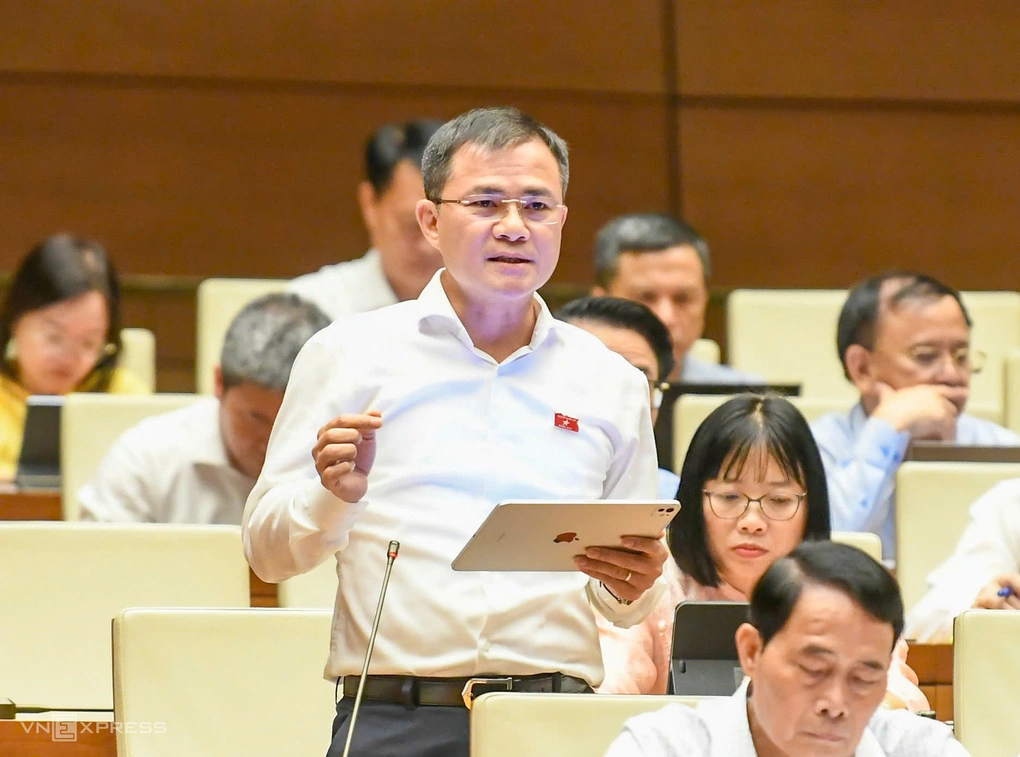
Currently, Vietnam has about 820 people per broadcasting station location, the infrastructure density is still low compared to many developed countries. If planned early, businesses can proactively invest and share infrastructure, instead of looking for a location to build a station when the need appears.
The reality of 5G deployment shows that infrastructure requirements and frequency resources must be prepared at the right time. After businesses were granted the spectrum, the 5G network has covered about 92% of the population. Vietnam's mobile broadband speed increased 3.5 times, from 51 to 180 Mbps, world ranking from 58 to 13.
Mr. Thang said that frequency resources therefore not only need to be allocated at the "right price" but also at the "right time". The value of each band depends on the maturity of the technology, the device ecosystem and market demand. Allocation when the technology and market are ready will lead to more efficient exploitation, while delay in putting it into use can reduce the value of the resource.
According to Viettel Chairman, the revision of the Radio Frequency Law in 2022 has created a basis for auctioning and allocating frequency bands serving 4G and 5G. Subsequent auctions brought nearly 17,000 billion VND to the budget, while also helping businesses have resources to invest in networks.
With telecommunications infrastructure, the sharing mechanism has helped limit duplicate investments and reduce costs. The infrastructure sharing rate currently reaches 21%. During natural disasters, more than 10 million subscribers were roamed to other networks to maintain communication.
Sharing the same view of needing to prepare legally for future technology, delegate Be Trung Anh, full-time member of the Delegate Working Committee, said that the law should not only address existing technologies but should be open enough to welcome new models.
He proposed building a mechanism so that 6G, satellite networks, direct satellite-to-device connections and industrial private networks can be tested without having to wait for a law change. The spectrum sharing mechanism, testing of integrated satellite networks and sharing of telecommunications infrastructure with transportation, electricity, lighting, and public works also need to be expanded.
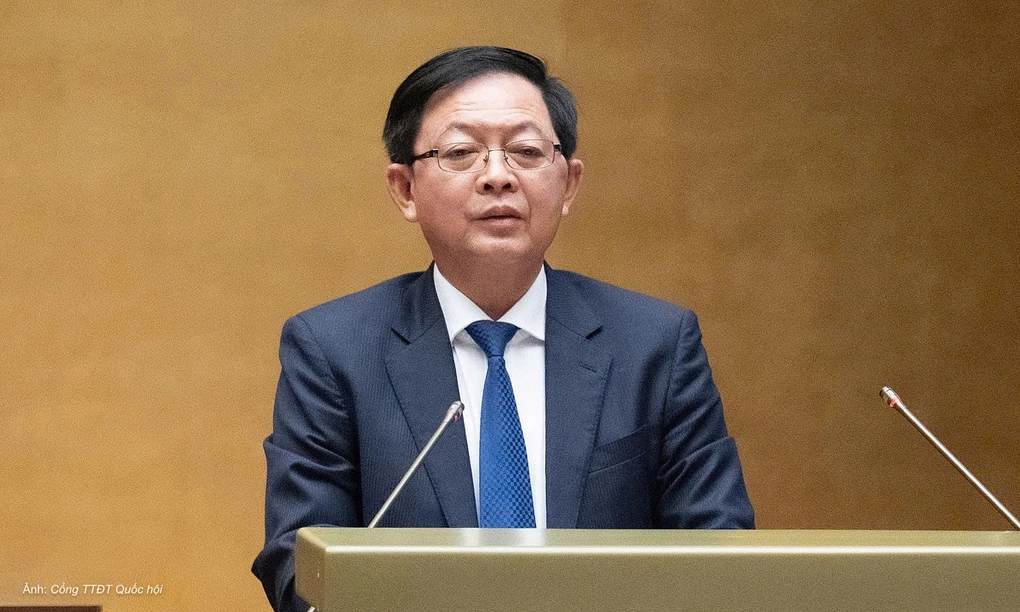
Explaining to the National Assembly, Deputy Prime Minister Ho Quoc Dung said that this law project focuses on cutting business conditions, licensing spectrum, sharing infrastructure and developing the science and technology market.
According to the Deputy Prime Minister, issues of infrastructure planning, frequency allocation and reuse will be specified in the decree. Infrastructure sharing must ensure the interests of all parties, be technically feasible and not affect the normal operations of the business.
The law project to simultaneously amend 4 laws on radio frequencies, telecommunications, electronic transactions and technology transfer is expected to be considered and passed by the National Assembly on August 24.
Son Ha