Should metals be mined on the deep seabed?
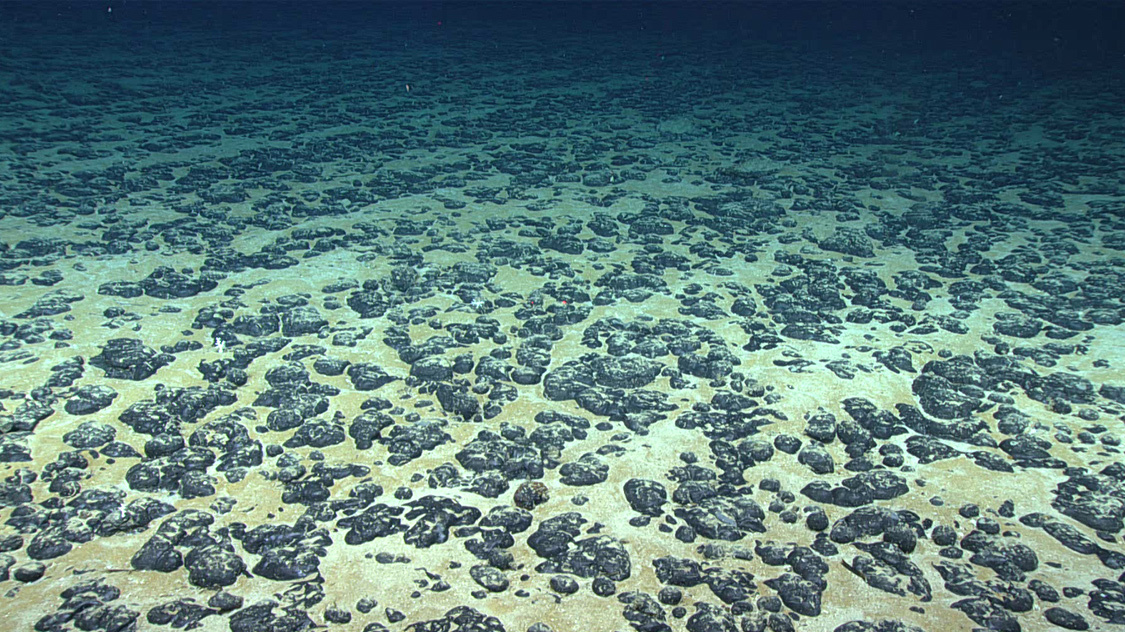

The seabed contains three types of metal mines that have undergone thousands, even millions of years of development: polymetallic nodules (manganese nodules), cobalt shells and sulfide mines (polymetallic sulfides).
Polymetallic nodules are clumps as large as potatoes, formed from the very slow precipitation of minerals around debris such as shark teeth or fish ear bones. Found at depths of 4,000 - 6,000 m, especially in the Clarion-Clipperton Zone in the Pacific Ocean between Hawaii and Mexico, these nodules mainly contain manganese, iron, cobalt, copper and nickel.
Cobalt shells are rocks at a depth of 400 - 4,000 m, formed from the accumulation of metals in seawater. Quá trình tách chúng khỏi các tảng đá bên dưới rất phức tạp, và hiện có một khu vực ở tây bắc Thái Bình Dương đã được khám phá. Cobalt shells typically contain manganese, iron, cobalt, and platinum.
Mỏ sulfide là các mỏ giàu kim loại (chứa đồng, kẽm, vàng, bạc) hình thành xung quanh những "ống khói" phun ra nước giàu kim loại hòa tan. Chúng được tìm thấy ở độ sâu 800 - 5.000 m, gần các sống núi hoặc núi lửa ngầm ở Đại Tây Dương và Ấn Độ Dương.
The world is interested in deep-sea metal mining because cobalt and nickel are essential in electric vehicle batteries. Chúng đang được khai thác trên đất liền với chi phí lớn về con người và môi trường, lượng chất thải từ quá trình tinh chế bằng hóa chất cũng rất lớn và độc hại. In addition, electric cables are made of copper and demand for cables is expected to skyrocket due to electrification in the 21st century.

Proponents argue that collecting nodules from the bottom of the Pacific Ocean will not destroy or cause rocks and submarine mountains to collapse into dust as with surface mining. However, scientists only know very little information about the deep sea environment, which plays an important role in storing carbon and has been without human activity for a long time. Environmentalists worry that mining activities could disturb or destroy marine ecosystems that people do not fully understand.
Theo tổ chức khoa học quốc tế Ocean Census, chỉ 250.000 trong số 2 triệu loài được cho là sinh sống dưới biển đã được xác định. Hoạt động khai thác có thể phá hủy môi trường sống của sinh vật sống trên hoặc gần đáy biển, thay đổi tính chất hóa học của nước biển xung quanh, gây ô nhiễm tiếng ồn và ánh sáng, gây rò rỉ hóa chất từ máy móc và thiết bị. 32 quốc gia trong đó có Brazil, Anh, Canada, Đức và Mexico, đã kêu gọi tạm dừng khai thác biển sâu trong vùng biển quốc tế, theo Liên minh Bảo tồn Biển Sâu.
Hiện chưa có giấy phép sản xuất thương mại nào được cấp ở bất kỳ nơi nào trên thế giới cho hoạt động khai thác biển sâu, dù một số quốc gia đã hoặc đang chuẩn bị thăm dò trong vùng đặc quyền kinh tế. The only industrial technology developed to date is to collect nodules.
Nhật Bản có hai hợp đồng thăm dò, trong khi Quần đảo Cook đã cấp phép thăm dò cho ba công ty trong vùng biển của mình và cũng đang hợp tác với Trung Quốc. Norway had planned to issue a deep-sea exploration license in 2025, but then postponed it until 2026.
In international waters, the International Seabed Authority (ISA) is responsible for issuing deep-sea mining licenses. Cơ quan này đã cấp phép thăm dò cho một số công ty và quốc gia để thử nghiệm công nghệ, nhưng chưa cấp giấy phép nào cho hoạt động khai thác thực tế.
Standing between mining advocates and moratorium advocates, the ISA is having difficulty delivering a "mining code" that has been negotiated since 2014. Canadian company The Metals is losing patience and says this year it will bypass the ISA and turn to the US, which is not part of the ISA, to begin mining operations.
Thu Thao (According to AFP)