The thirst for AI chips spreads to semiconductor components and materials
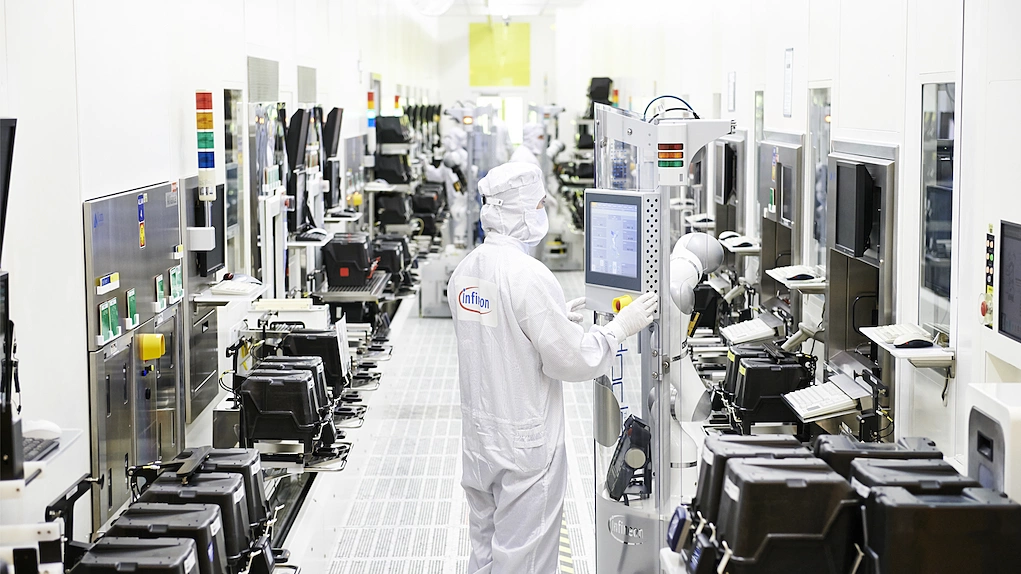
According to SCMP, while the thirst for GPUs and memory chips is still very "hot", the semiconductor market continues to face new price increases related to components and materials used in chip production.
In particular, components such as power chips, capacitors, or materials such as copper sheets, glass cloth that make up the substrate on printed circuit boards (PCBs), pure ceramics, and industrial gases used for semiconductor production are having new prices much higher than at the beginning of the year. Suppliers in this field used to receive little attention, but now gain a great advantage when customers compete fiercely due to limited supply.
"Components such as capacitors or materials for semiconductor production are entering a price increase cycle," said analyst Liu Gaochang of financial services and investment brokerage company Sinolink Securities. "The price adjustment spread from certain products to many other categories."
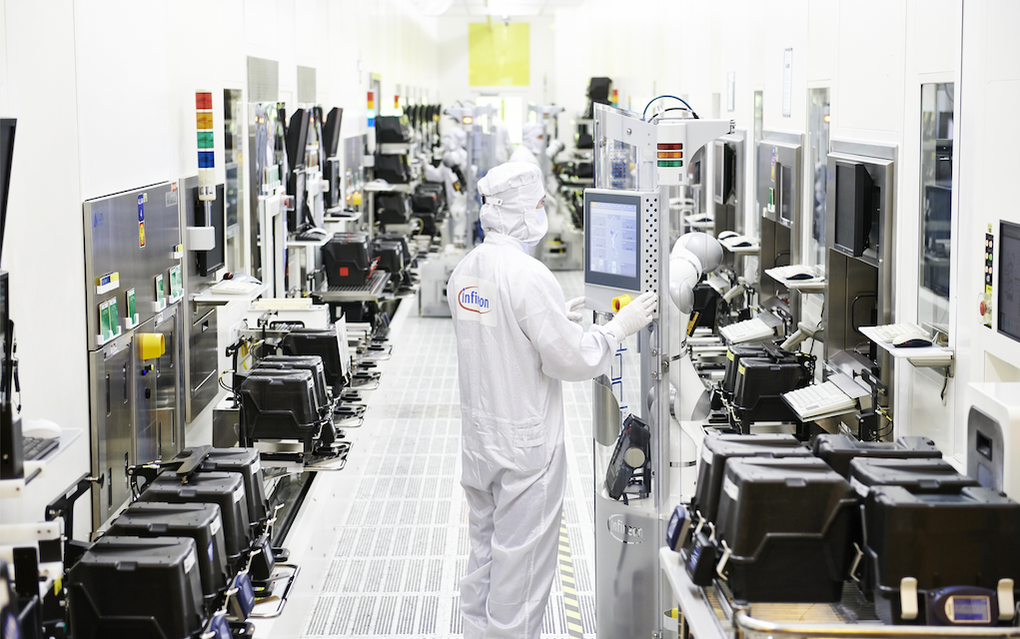
Capacitors are most strongly affected, especially multilayer ceramic capacitors (MLCC) which are currently out of stock on many secondary distribution systems. According to ALF Achemic, a new generation AI server often uses up to 28,000 MLCC capacitors, 10-15 times more than conventional servers, making this component highly sought after.
Many leading MLCC companies increased product prices, according to Shanghai Securities News. For example, Japan's Murata Manufacturing Group, the world's largest MLCC manufacturer, announced a 10-40% increase in products used in AI servers and high-end automotive electronics starting in July, and applied a similar strategy to aluminum electrolytic capacitors (or electrolytic capacitors), film capacitors (or film capacitors) and supercapacitors. Competitors are also not out of the trend, such as Taiyo Yuden, Nichicon, Nippon Chemi-Con and Jianghai Electronics increasing product prices by 10-30%.
For businesses manufacturing power semiconductor components - a group of electronic components responsible for energy management tasks such as switching on/off, converting and controlling large currents and voltages in the electrical system, the price increase has been going on for several months. In this field, Infineon Technologies (Germany), Texas Instruments (USA) and Yangjie Technology (China) are leading.
In mid-June, Yangjie Technology announced to customers that the entire product line would increase prices by 10-15% from July, citing rising costs of input materials such as wafers, bulk metal and packaging materials. On the blog, the company said it has almost received all orders.
"The pricing power of the semiconductor supply chain is shifting structurally, from finished chips to components and raw materials," China Securities analyst Xu Guangtan told SCMP. "Many component suppliers are limited in supply and face long expansion cycles that cause prices to rise."
The pressure also spread to the field of PCB circuit boards - the "skeleton" that fixes and connects electronic components together to form a complete electrical circuit. In the context of AI processors and high-speed and low-signal-loss switching platforms, PCBs need more layers of materials, including high-grade copper foil, low dielectric constant glass cloth, and prepreg - the insulation layer used in circuit board bonding. According to China Daily, Kingboard Laminates, China's leading supplier of copper-coated laminates and prepreg materials, has adjusted prices several times this year with each increase being over 10%, most recently in mid-June.
A report from Nikkei Asia also shows that Nippon Sanso (Japan) will raise helium prices by more than 30% from July, citing scarce global supply and high purchasing costs. According to Carra Globe, ultrapure helium is an important industrial gas in the semiconductor manufacturing process, used to cool equipment, support the wafer etching process and maintain a stable environment during the chip manufacturing process. Although it receives less attention than silicon or gallium, helium supplies are under pressure due to dependence on certain regions. Experts warn that if supply continues to be interrupted, semiconductor factories, especially memory chip production, may have to adjust capacity due to lack of input gas.
Electronic-grade hydrogen fluoride (HF) - a chemical used in photolithography machines and wafer surface cleaning - also recorded price increases due to sulfur supply disruptions and China's export restrictions. According to market research firm TrendForce, hydrogen fluoride prices will increase by about 40% from the beginning of 2026, putting pressure on material suppliers for two memory chip companies, Samsung and SK Hynix.
Some chip companies are starting to feel the heat. According to Economic Daily News, MediaTek in late June informed partners about "unprecedented component shortages, limited production capacity, longer delivery times and higher material and logistics costs". Digitimes assessed that this move "signals that a wave of chip price increases is spreading throughout the semiconductor market and that the era of chip inflation has arrived".