The fever to learn semiconductors to get into Samsung and SK Hynix
"Let's go to Hynix. Let's go!", 15 students at a mathematics academy in Eunpyeong-gu, Seoul, chanted slogans before the lecture began one day in June.
According to Chosun, these are 12th grade students who are preparing for the university exam, aiming for the semiconductor industry with the goal of working at SK Hynix. Just a little while ago, they were still determined to enter some "hot" industries in Korea such as doctors, economics or communications.
"I want to work at SK Hynix by trying to get the best results in the university entrance exam," said Lee, 18 years old. "Many classmates also changed their goals in the same way, even often shouting: 'Hynix! Come on'."
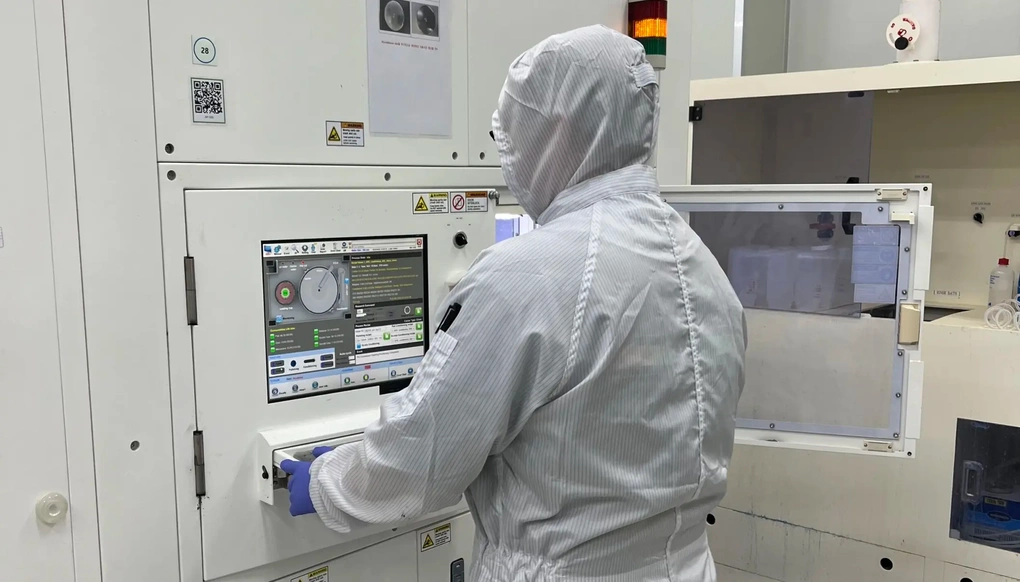
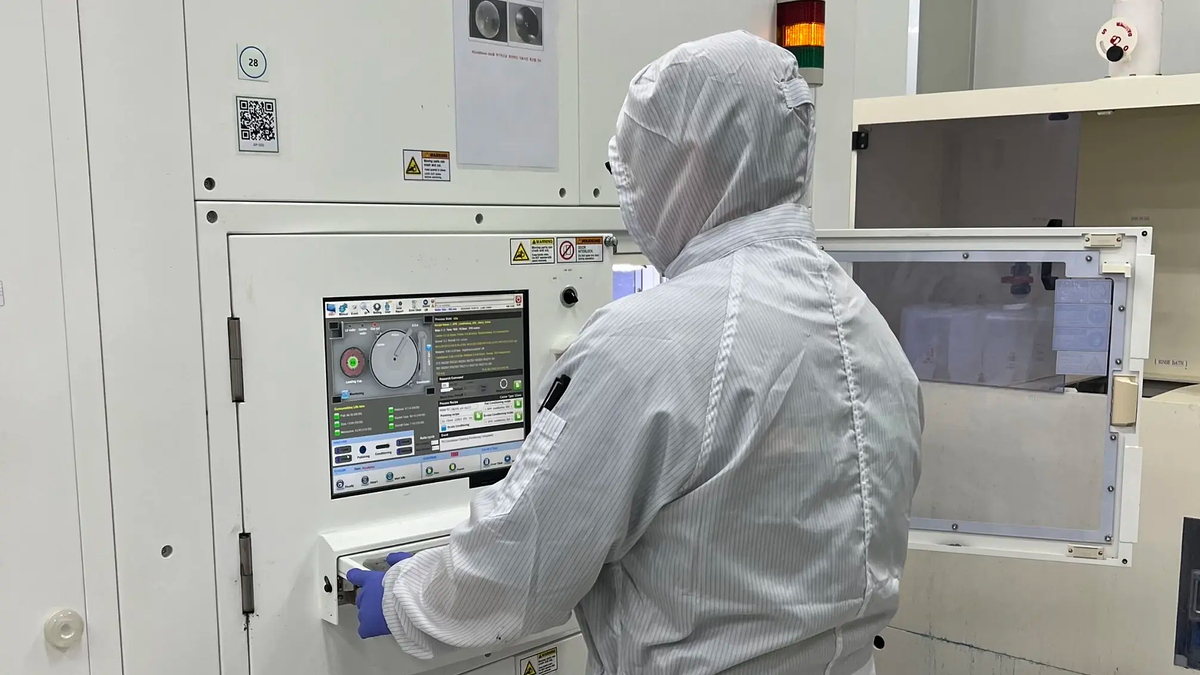
This summer, Kim Tae-woo, a senior electrical engineering student at a university in Korea, also decided to cancel his vacation. Instead, he spent time studying at a chip manufacturing vocational center in Seoul, hoping to find a job at SK Hynix or Samsung Electronics. Tae-woo was one of 30 candidates accepted into the state-sponsored semiconductor quality control specialist training program after a competitive selection process. The course lasts 3.5 months, providing training on semiconductors, from components, chip design to data analysis, with a class schedule of 10-6 p.m. on weekdays.
"My biggest dream is to join SK Hynix, but the competition is getting fiercer because everyone wants to work here or Samsung," Tae-woo told FT. "Therefore, I just wanted to add one more highlight line to my resume."
Some parents also direct their children to the semiconductor manufacturing environment from an early age to seek career opportunities. "In the AI era, robots can replace doctors' jobs," Mr. Shin, 39 years old, said about being hired to teach his 5th grade son about semiconductor system engineering. "When my children grow up, this field may be a better choice than medical school."
The above phenomenon, called "Hynix syndrome" and "Samsung syndrome" by Korean media, is spreading in high schools and vocational training centers, related to the strategies of the two companies. In May, Samsung announced a stock profit-sharing agreement with 78,000 employees with an average pay of up to $400,000 in the memory chip division. Last year, SK Hynix agreed to distribute 10% of operating profits to workers over the next decade. Meanwhile, according to a salary survey published in April on Employsome by the Korean Ministry of Labor and Employment, the country's average salary reached 2,700 USD/month, or 32,400 USD/year.
"The bonuses are huge, the competition is fiercer, but companies are also recruiting more," Tae-woo said.
In Korea, "exam preparation" centers for semiconductor companies, called hagwons, are springing up more and more, including private individuals and schools. In addition to specialized knowledge, this place also offers CV writing and interview preparation courses specifically designed for the recruitment process of SK Hynix and Samsung.
"Most classes are full, only classes are available on Sundays," said a representative of a vocational training center in Seoul.
At some universities, entrance difficulty has also increased sharply. According to Chosun, the odds of getting into the System Semiconductor Engineering department of Sogang University, which provides the majority of jobs at SK Hynix, increased from 38.1/1 in the 2025 school year to 48.5/1 in the 2026 school year. Similarly at Yonsei University, which provides the majority of human resources for Samsung Electronics, the early admission benchmark has increased from 3.1 in 2021 to 1.47 years. 2026, approaching the top group of medical professions.
The effect is also affecting high school enrollment trends. The odds of getting into Chungbuk Semiconductor High School increased from 1.51/1 last year to 2.26/1 this year. Of the 99 graduates in 2025, 19 were recruited to Samsung Electronics and three to SK Hynix for continued training.
According to data from Jongro Academy, the average score on the Scholastic Aptitude Test (SCAT) in Korean language, mathematics and elective research subjects of students entering Seoul's top semiconductor majors this year at Yonsei University, Korea University, Hanyang University, Sungkyunkwan University and Sogang University is 96.2 points, approaching the average score of 97.2 of medical students, who are considered the best students.
"In the context of a difficult job market, expectations for stable working conditions and generous bonuses after graduation are increasingly high, leading to many students enrolling in semiconductor training programs," Mr. Park Joo-ho, President of Daelim University, told Korea JoongAng Daily. "However, industrial needs and technological conditions can change at any time, and educational institutions cannot guarantee long-term job security. Therefore, students should consider carefully before making career decisions."
Some other education experts warn that the wave may just be cyclical. "Just two years ago, people said Samsung was in decline," Im Seong-ho, director of Jongro Academy, told the FT. "We don't know how long this boom will last."