Announcing a list of 46 high-risk AI systems

According to the list signed by the Prime Minister on June 30, there are 46 AI systems classified as high risk and must meet strict management requirements. These are systems that can cause significant damage to the lives, health, rights and legitimate interests of organizations and individuals, national interests, public interests and national security.
The list is divided into 6 areas including education; ethnicity and religion; medical; bank; litigation; transportation. Among these, transportation is the largest sector with 31 systems. The ethnic and religious field ranked second with 7 systems. The education sector has 3 systems, the healthcare and banking sectors have 2 systems, and the litigation sector has one system.
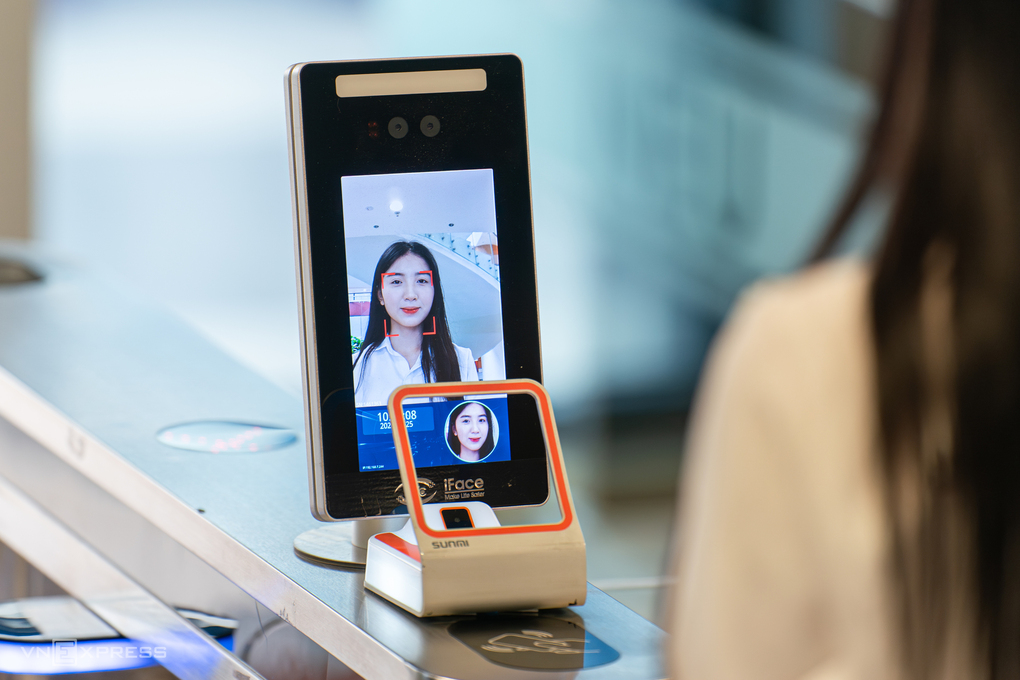
In education, the high-risk group includes AI that provides self-learning content using uncontrolled data sources; AI automatically tests, evaluates results, and ranks learners; The system uses AI to monitor and analyze student behavior using biometric data.
In the medical field, the two systems listed are both related to surgical robots. These are systems integrated into robots that directly execute or participate directly in the process of intervention and instruction. For banks, AI automatically performs large-value electronic transactions without human inspection or approval; AI that decides to grant credit on its own is also in the high-risk group.
High-risk AI in the field of ethnicity and religion are systems that automatically score, classify, and rank records to determine policy beneficiaries and areas; authenticate and determine the validity of information; The system automatically decides to accept or reject the application; allocate budget according to algorithms or classify individuals and community groups according to ethnic, belief, or religious attributes.
In the field of litigation, wide-area biometric identification AI for resolving public civil cases is also in the list.
The majority of high-risk AI systems are in the transportation sector. For road and rail transport, the category refers to high-level autonomous control systems on vehicles; control or automatically operate traffic signals; AI controls the operation of traffic works and key technical infrastructure; AI automatically detects and evaluates the risk of incidents and detects orders to limit or stop the exploitation of works and infrastructure...
In aviation, many systems are listed such as AI for automatic air traffic management; supporting or replacing air traffic controllers; aircraft trajectory conflict prediction; automatically coordinate takeoff/landing slots...
According to the decision, AI systems that were put into operation before the decision took effect will have a transition period to fulfill their regulatory compliance obligations. In particular, systems in the fields of health, education and finance must complete compliance before September 1, 2027. The remaining fields before March 1, 2027.
The Artificial Intelligence Law takes effect from March 1, classifying AI into three risk levels: high, medium and low. In particular, high-risk groups must carry out more stringent obligations such as assessing conformity, keeping technical records, and ensuring the ability to monitor and intervene by humans.
Categories of high-risk AI systems
Trong Dat