Text 'humanization' tool helps hide AI traces
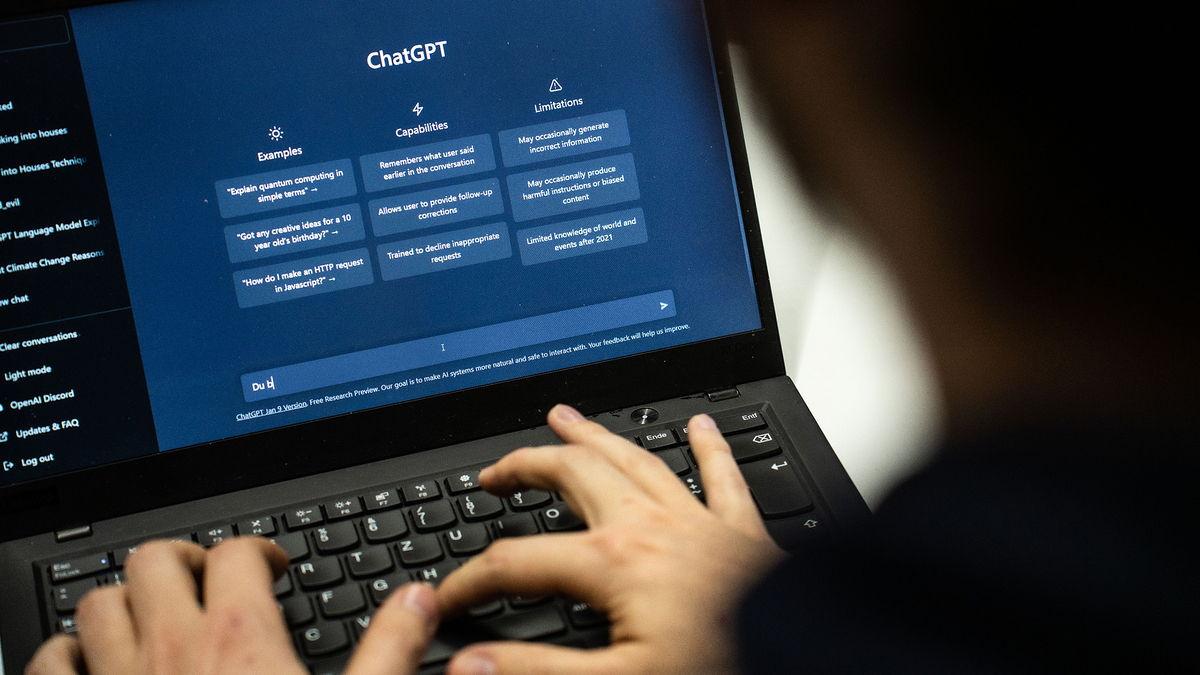
According to a 2025 Duke University survey, many people believe that their colleagues will think they are lazy and incompetent if they use AI, making them afraid to disclose this. In another survey by software company Bynder, 2,000 participants in the UK and US viewed two texts on the same topic created by ChatGPT and a professional copywriter. As a result, 56% appreciated ChatGPT's articles more, but when they learned that it was an artificial intelligence product, 52% felt the content became less attractive.
Research published in the Journal of Communication by a group of experts from the University of Florida and the University of Central Florida shows that readers often underestimate AI content. "People will be less sympathetic to a story they think was written by AI, regardless of whether it is true or not," said Dr. Haoran "Chris" Chu at the University of Florida, co-author of the study. Conversely, readers may react more positively to text from AI if they think it was written by a human.
According to Guardian, text generated by large language models (LLM) often has some differences compared to human text. For example, they use many long dashes, repeat certain phrases and structures like "not Twitter, but Y", or the writing style is too neat and flowery. Montclair State University (USA) once instructed lecturers to consider too good grammar as suspicious. "Essays written by AI are often unusually accurate in grammar, word usage and editing," the school noted.
While some people deliberately add spelling and grammar errors to be more "human-like", others look to tools such as Humanize AI Pro, TwainGPT, Undetectable AI, collectively known as AI text "humanization" tools.
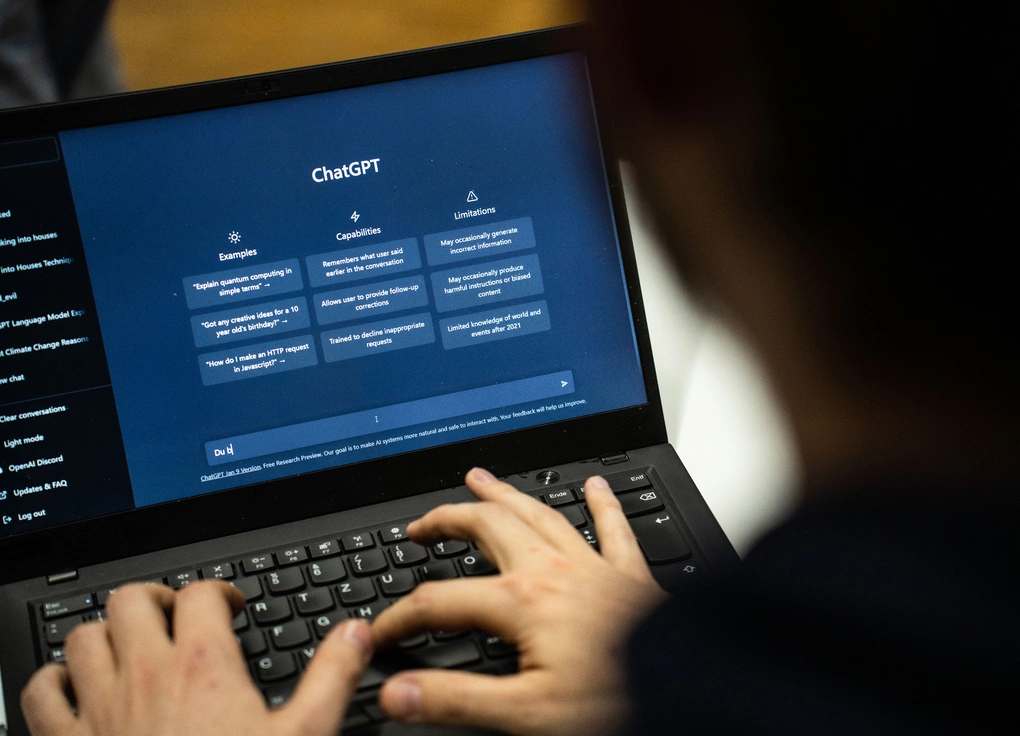
Erik Ofgang, a lecturer at Western Connecticut State University, explains the humanization tool is designed to read input text, look for common AI phrases and expressions, and then suggest alternatives. After editing and adding less formal words, the original text will become closer and more natural, increasing sympathy with the reader.
Forbes said that the realistic AI text humanization tool appeared shortly after ChatGPT launched in 2022 and became increasingly popular. Undetectable AI, one of the most prominent tools on the market, currently has more than 20 million users. Ivan Jackson, founder of startup Writehuman, said his company even releases "humanized" updates every month to keep up with the trend.
According to Tech Learning, the cost for each humanization tool varies widely, but their pricing is generally similar to popular AI chatbots. Users can use the basic features for free, but must pay to place more commands, receive faster responses and access the most advanced version.
The advantage of the tool is that it provides a quick workflow with output text that is easier to read than the original AI content. Therefore, many content creators, marketers, students and users are incorporating them into their daily workflow.
On the social network Reddit, account upperlimit0 shared about the difficult period last year when he had to work 9 hours a day while building his own project. To save time, he gave data to chatbot Gemini, asking it to write blog posts for the project. Next, he used the humanization tool to change the mechanical and AI-like expressions, then edited a bit manually to add personal voice and examples. "In the end, I attracted pretty good organic traffic in only about 20 minutes per post," he said. Account VariousWorker790 also praised this tool, saying that some even help the writing style become "more flexible than people writing themselves".
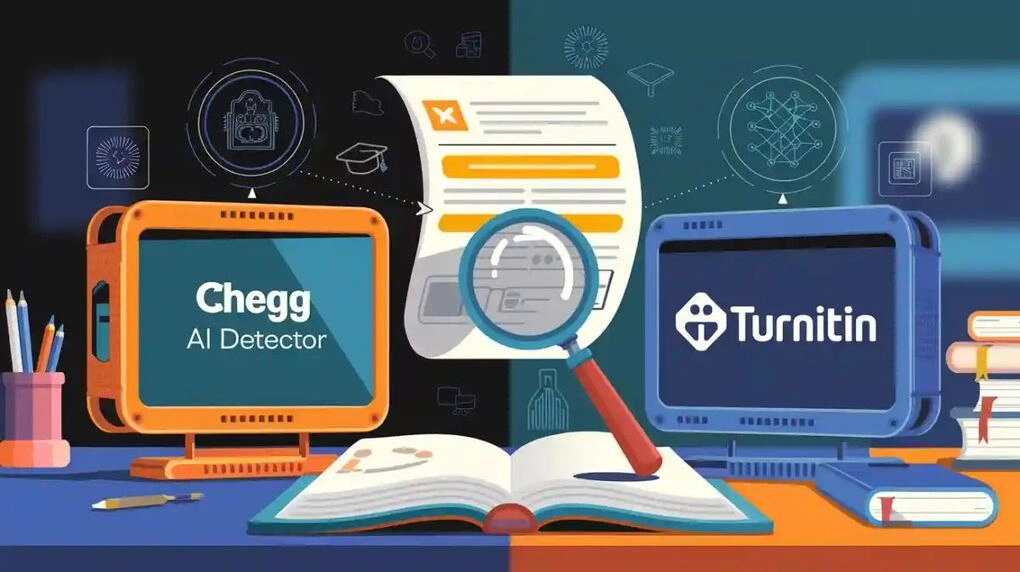
However, anthropomorphic tools are not perfect and can only imitate humans to a certain extent. Sometimes they still use formal, less natural expressions, or overuse flowery conjunctions. In addition, the output text can still be detected by testing tools such as Chegg AI Detector or Turnitin.
"Even when processed by humanization tools, the output text still has the appearance of artificial intelligence. I also do not see them as really effective in bypassing AI detection systems," instructor Ofgang assessed. He tested two humanization tools, one of which almost did not change the results, the text was still 100% identified by the AI-generated system. Another tool helps reduce the rate from 100% to 66%, which is not enough to consider this text written by the author.
Reddit user OkCartographer223 recommends using AI as an assistant instead of a ghostwriting tool. "TwainGPT or other tools can help refine your writing, but the most effective humanization 'tool' is still yourself: Include realistic details and edit yourself. In addition, with school assignments or content that needs to comply with academic regulations, trying to bypass the AI detection system can easily lead to a long and unpleasant exchange with the instructor," this person commented.
Forbes notes that although humanization tools can help save time over manual writing, using content entirely created by AI still poses risks, especially in industries such as journalism or marketing. The reason is that large language models are likely to experience illusions, creating false or biased information.