2 Gbps family Internet race in Vietnam
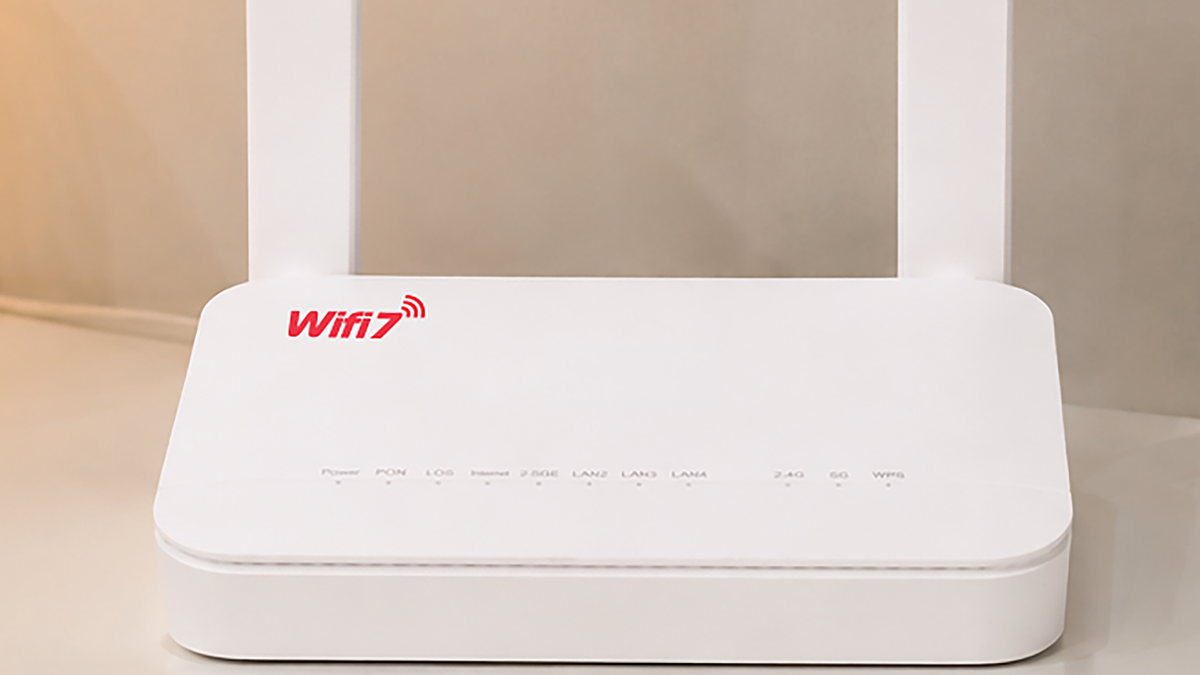
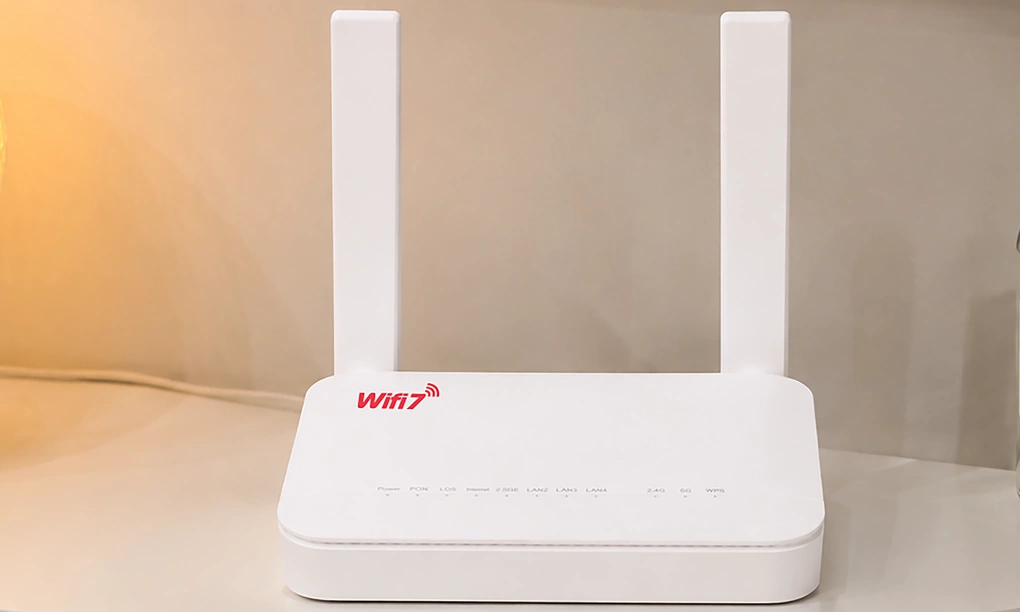
A new series of GIGA packages began to be deployed by Viettel Telecom on August 28, including Internet speed options that can reach 2 Gbps for households in terms of domestic connection. Packages come with Wi-Fi 7 router and Mesh device, priced from 485,000 VND per month.
Specifically, the GIGA6 package has a speed of 2 Gbps, costs 485,000 VND per month, comes with ONT Wi-Fi 7 and one Mesh Wi-Fi 7 device. GIGA7 and GIGA8 have the same speed, priced at 500,000 and 515,000 VND, respectively, two and three Mesh Wi-Fi 7 devices, respectively. In case there is only a need to experience Wi-Fi 7, users can You can choose a GIGA subscription with 1 Gbps speed, priced from 279,000 VND.
With Viettel's participation, the 2 Gbps home Internet market now has two suppliers. Previously, FPT deployed a series of SpeedX2 packages using XGS-PON and Wi-Fi 7 infrastructure, with speeds of 2 Gbps for both download and upload links, priced from 999,000 VND per month.
A 2 Gbps connection can, in theory, transfer about 250 MB of data per second. For example, a 10 GB file takes just 40 seconds to upload or download under ideal conditions, instead of minutes with a 500 Mbps connection.
For families with many people using the Internet, the difference is more noticeable when multiple devices simultaneously watch high-resolution videos, download data, play games or back up photos and videos to the cloud without having to share bandwidth with each other.
Behind high-speed Internet connections is a combination of fiber optic infrastructure and new generation Wi-Fi technology. Both carriers said they use XGS-PON - fiber optic transmission technology capable of providing theoretical speeds of up to 10 Gbps for both download and upload directions, creating a foundation for carriers to deploy higher-speed Internet packages.
As Internet demand increases and each family has multiple devices connected at the same time, increasing bandwidth helps better meet tasks such as watching high-quality videos, playing games, backing up data or downloading large files.
In addition, Wi-Fi 7 is also a competitive factor. This is the latest generation of commercial wifi, focusing on increasing data download speeds, improving the ability to connect multiple devices simultaneously and increasing wireless network stability.
According to Viettel experts, Wi-Fi 7 has a theoretical speed of up to 46 Gbps, many times higher than Wi-Fi 6. The standard also supports wider transmission channels and allows devices to use multiple frequency bands simultaneously, thereby increasing connection efficiency.
"These improvements are especially meaningful in families with many devices accessing the Internet, such as phones, computers, TVs, cameras, smart home devices," a Viettel representative said, adding that Wi-Fi 7 is also suitable for bandwidth-intensive needs such as watching high-resolution videos, playing online games and virtual reality applications.
Although it offers 2 Gbps, this is a theoretical speed and is for domestic connections. Network operators do not commit to international bandwidth for these packages. Speed when accessing servers or services located abroad often hardly reaches 2 Gbps. In addition, the experience also depends on the international connection route, destination server and traffic at any time.
Recently, fixed network providers in Vietnam have continuously changed prices and bandwidth for users. At the beginning of the year, all three major networks simultaneously increased fixed Internet prices. Fixed Internet subscribers will have to pay at least 195,000 VND per month, up from 180,000 VND previously.
A few months later, the network continued to race in technology and speed, making 1 Gbps transmission popular and gradually expanding to 2 Gbps today. According to Ookla SpeedTest statistics, Vietnam's fixed broadband network continuously improves in speed and rank. Data as of July show that Vietnam ranks 7th in the world with a speed of more than 300 Mbps.
Luu Quy