A swarm of jellyfish paralyzed three nuclear power reactors
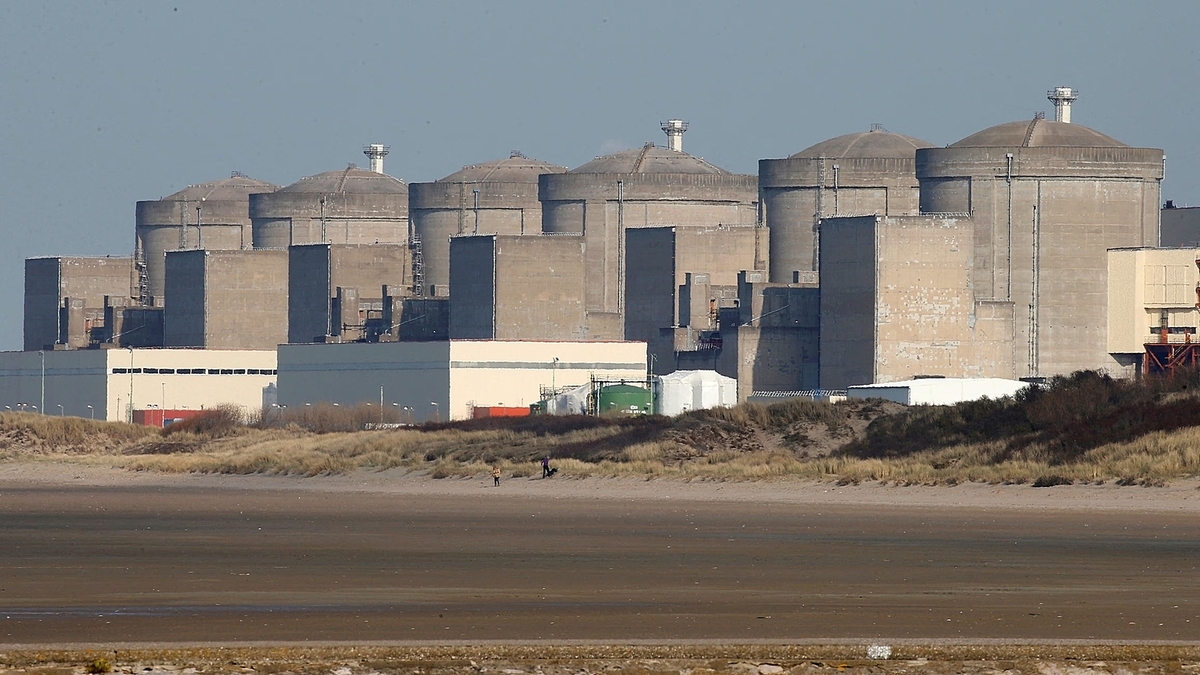
French energy group EDF said on August 11 that the incident also caused the fourth reactor to reduce its capacity by half. Another reactor has been shut down for scheduled maintenance, leaving the Gravelines plant with only one reactor operating at full capacity. However, EDF affirmed: "This situation does not affect the safety of the factory, employees or the environment."
Gravelines is one of France's largest nuclear power plants, cooled by water from a canal connecting it to the North Sea. Each reactor has a capacity of 900 MW, totaling 5.4 GW.
Last year, a similar incident caused four reactors to stop operating and the remaining two reactors to undergo scheduled maintenance, causing the entire plant to shut down. The incident forced the operator to deploy new surveillance techniques.
An EDF engineer told Reuters the company has installed fixed camera systems in water channels and on filter screens to detect obstructions early. The company also cooperates with a French fishing organization and a sea rescue organization, helping to monitor jellyfish colonies and issue warnings to fishermen to proceed with fishing, helping to reduce jellyfish density before they reach the factory.
Fishing boats have been operating since last weekend, after an initial warning, to limit the impact from the jellyfish. Meanwhile, those that have entered the factory are being removed using vacuum trucks. The team in charge said that there are currently no more jellyfish appearing, cleanup work is being completed and the reactors will restart soon.

According to the World Nuclear Association (WNA), nuclear energy contributes about 70% of energy consumption in France. This year, nuclear power production in this country was interrupted many times due to heat and drought. EDF had to shut down several reactors in June and July due to extremely high temperatures. AFP estimates that on August 9, France's nuclear power output decreased by 15.6%.
In addition to France, jellyfish have also caused trouble for coastal nuclear power plants in several other countries, such as Torness in Scotland in 2021 and Shimane in Japan in 2011. Scientists warn that these types of incidents may become more common due to many factors such as global warming, invasive alien animals, overfishing and the decline of predator habitat.