Ordered research and development of a team of 40 autonomous mobile robots
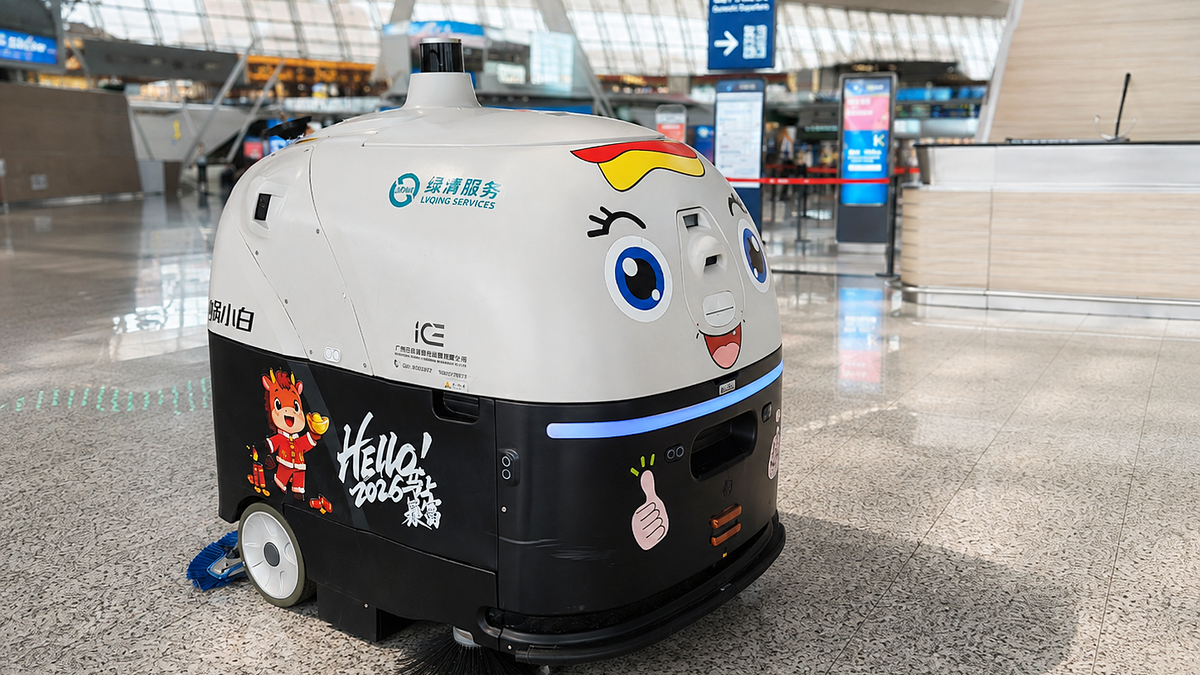
Nafosted representative said that this is the first ordering task under the special national science, technology and innovation program on strategic technology.
At the request of the Ministry of Science and Technology, the product is not a model but a team of 40 autonomous mobile robots, along with 3-5 support stations (hubs), autonomous software platform and management and coordination system. The goal is to master design, engineering, integration and production, then test in three locations. The product must achieve a minimum domestic value added rate of 60% or a minimum localization rate of 55% according to the approved roadmap.
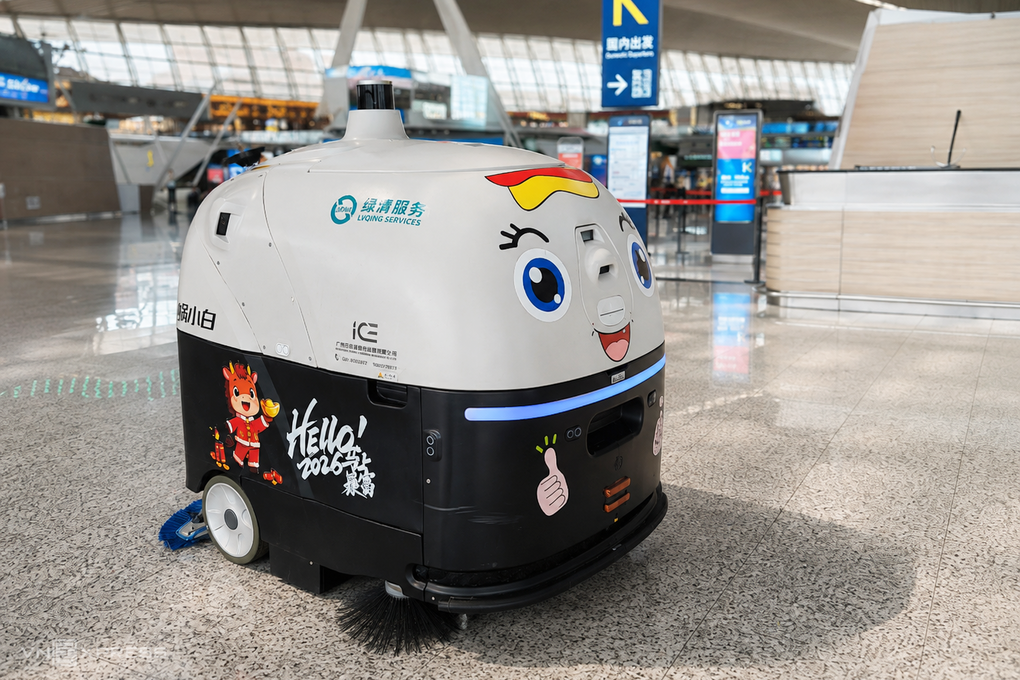
Robots need to be able to absorb and reduce fine dust PM2.5-PM10, clean at least 1,000 m2 per hour, contain at least 60 liters of trash, dust and 60 liters of water. The robot operates at least 6 hours after each charge, has a cleaning width of 1.2 m and an average margin deviation of no more than 10 cm.
The robot must also meet requirements such as having an emergency stop button on the device and remotely; safety stop function; warning lights; Externally installed sensors and electronic components must meet IP67 water and dust resistance standards.
To serve robot fleets, support stations must be capable of rapid battery charging, remote battery management, and connection to the fleet management system. The automatic water supply, charging and trash removal functions achieve a minimum successful connection rate of 95%.
Software is also a mission-critical component. The outdoor autonomous software platform needs to be able to locate, recognize the roadside, self-follow, recognize the surrounding environment, plan movements and control the robot at low speeds. The system also has a safe stop function and sets the area where the robot is allowed to operate.
The Ministry of Science and Technology requires the construction of a digital simulation platform with at least 100 scenarios. The platform can simulate errors in sensors, control computers, actuators and communication connections, thereby evaluating the performance, safety and reliability of the robot before applying the algorithm to the real system.
One of the other requirements of the task is to form a data set on the traffic environment in a number of Vietnamese urban areas, then publish it as shared open data.
To participate, organizations can prepare a budget estimate and submit registration documents to the Nafosted Foundation from September 3 to 5:00 p.m. September 14.
Previously, the Ministry of Science and Technology took the lead in advising, designing and concretizing a series of mechanisms and policies to promote strategic technology development. Among these are the special National Science, Technology and Innovation Program on Strategic Technology; Decree 260 on measures to implement a number of articles of the High Technology Law; and three guiding circulars (42, 48, 49).
The special national science, technology and innovation program on strategic technology was signed and promulgated by the Government on August 6. The program sets the goal of mastering, developing, perfecting and commercializing strategic technology products with high competitiveness, gradually participating in the global value chain; Forming a strategic technology ecosystem, strengthening links between the State, businesses and science and technology organizations, contributing to improving national autonomy and technological competitiveness.
Trong Dat