Mark Zuckerberg's imprint on the White House's AI deal
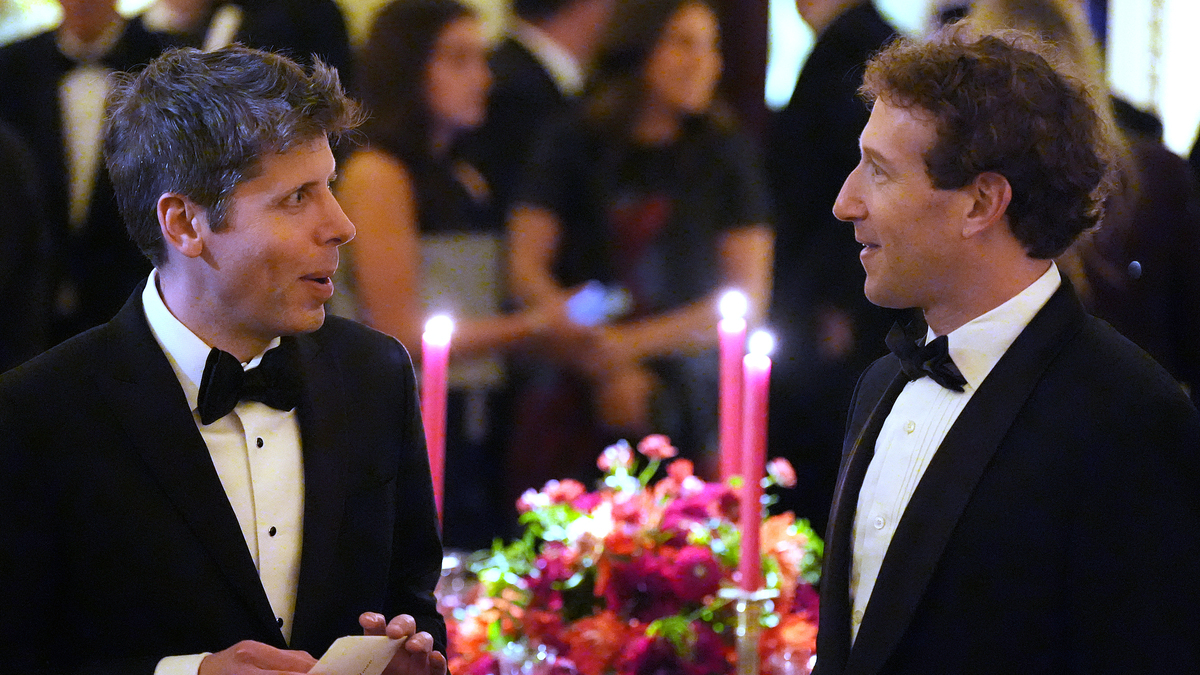
Politico said Meta CEO Mark Zuckerberg was the one who presented the content of the AI agreement during lunch with US President Donald Trump, US House Speaker Mike Johnson and more than 10 technology leaders on September 29.
According to Business Insider, this artificial intelligence agreement originated from a state banquet for Chinese President Xi Jinping on the evening of September 24. At that time, Zuckerberg mentioned the idea to Johnson, then continued talking to Nvidia CEO Jensen Huang. After the event, all three continuously contacted to complete the document.
Before meeting the US President, Zuckerberg created a set of principles and sent a draft to technology leaders. Meanwhile, Huang plays an important role in mobilizing support for these people, such as Google CEO Sundar Pichai, Microsoft CEO Satya Nadella, Anthropic CEO Dario Amodei, OpenAI President Greg Brockman, SpaceXAI CEO Elon Musk.
Finally, the 300-word document released by the Trump administration called the "White House Agreement on Superintelligence", talks about the importance of enacting protections to reduce potential risks from advanced AI models, as well as the consequences of not bringing things under control soon. The agreement also requires companies to "implement robust internal controls" to monitor the model's capabilities, cooperate with external auditors and establish an independent committee to review auditors' reports.
Meta declined to comment. Nvidia and the White House have not responded.
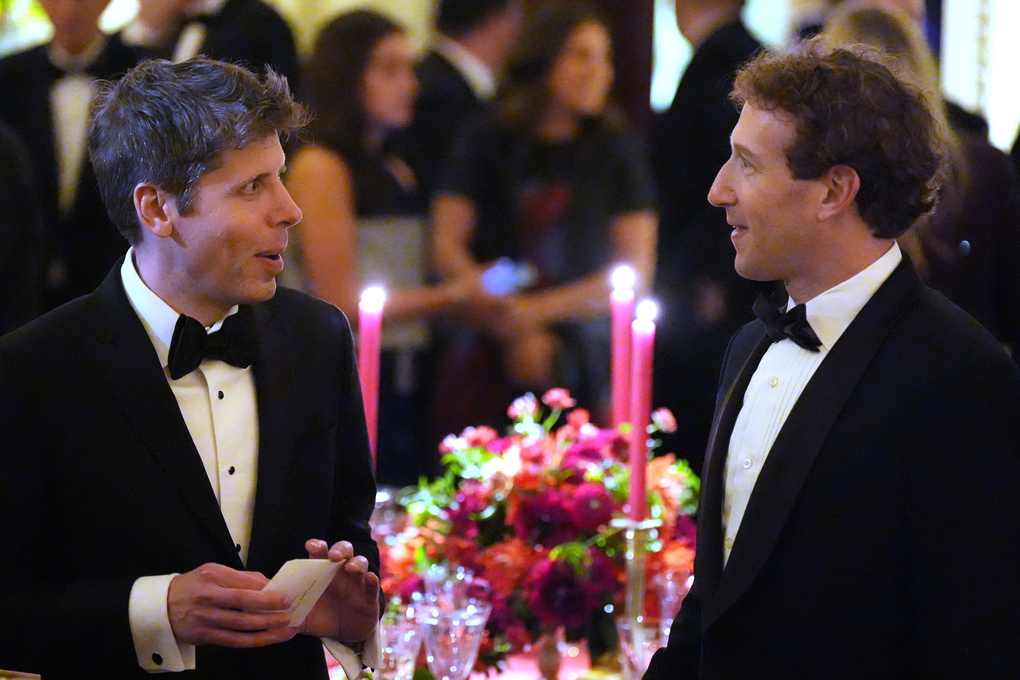
According to observers, Zuckerberg's central role in the AI deal is showing his growing influence in shaping the White House's artificial intelligence policy. CEO Meta is said to have overcome a "wave of protest" in Washington since the fake news scandal surrounding the 2016 presidential election, which caused the company to receive bipartisan criticism and face many lawsuits.
"Everything has changed. Meta was even forgiven after removing Mr. Trump's account on platforms after the riot at the Capitol in 2021," Semafor commented. "Zuckerberg knows how to respond to the political situation and is trying to position Meta as a company willing to cooperate with the government and not interested in being over-regulated."
The US is considered to be pursuing a "gentle" approach to AI, having not passed any federal laws to curb artificial intelligence. Politico said that in a phone call with Mr. Trump in August, CEO Meta opposed the proposal to establish an independent regulatory agency based on the model of the non-profit organization that specializes in supervising the securities industry, the Financial Industry Regulatory Authority (FINRA).
Mark Zuckerberg and Jensen Huang currently have opposite views to Sam Altman, Elon Musk or Dario Amodei. The head of Nvidia rejected calls to suspend AI, while CEO Meta asserted that each lab should set its own development pace instead of seeking to coordinate the entire industry.
American politicians and investors also see rapid progress in AI development as a key factor in maintaining an advantage. President Trump wrote on the social network Truth Social on September 14 that the concern is "the latest hoax". US Vice President JD Vance also expressed skepticism about calls for increased regulation of AI, warning that such proposals could be "Trojan horses" promoted by companies benefiting from new regulations.