Are phones eavesdropping to display ads? Experts explain misunderstandings
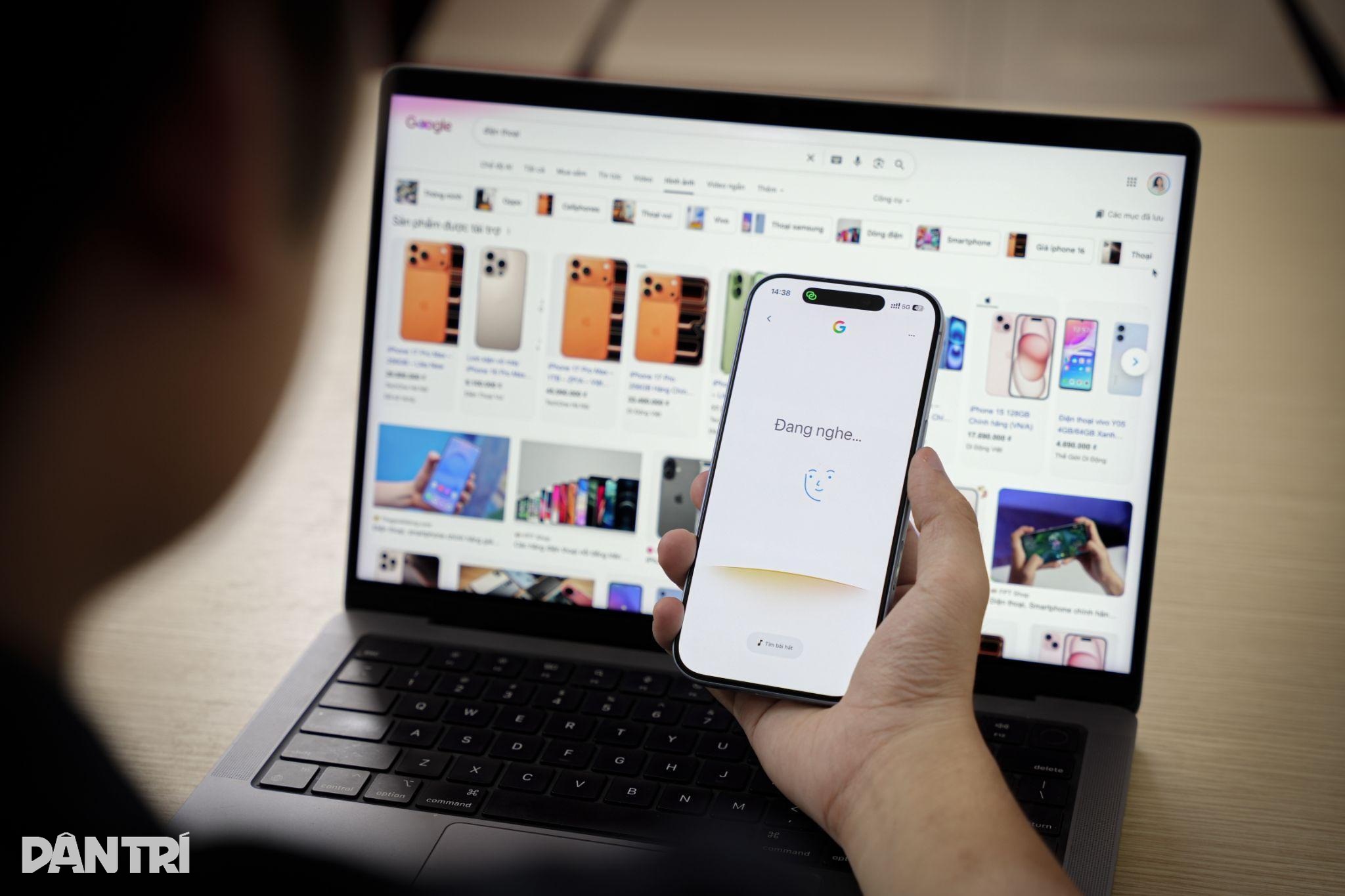
As soon as he finished speaking, an advertisement appeared
One weekend evening, Quang Trung (22 years old) sat down for coffee with a group of friends. During the conversation, Trung said that the current phone has started to slow down, the battery has degraded and is considering getting a new one.
The conversation took place completely face-to-face, no one searched for products online or opened e-commerce sites.
"I just sat and talked directly with my friends. But that night when I opened Facebook and TikTok, I saw continuous phone advertisements, from models being considered to installment payment programs," Trung recounted.
What surprised the young man was that the ads appeared right after he told his friends about his plans.
The continuous appearance of advertisements led Trung to suspect that his device was eavesdropping on conversations.
Not only Trung's case, on social networking platforms, similar stories appear quite often.
Someone was just talking about air purifiers when they saw an ad for air purifiers. Someone mentions an upcoming trip and then continuously receives ads for hotels, airline tickets or travel insurance.

These coincidences have caused the theory of "eavesdropping on users' phones" to persist for many years.
In fact, the feeling of being watched is not difficult to understand. When an ad appears at the right time and surprisingly in demand, many people's natural reaction is to think that the device has heard their conversation.
Are phones really wiretapped?
Talking to Dan Tri reporter, Mr. Ngo Minh Hieu (Hieu PC), a cybersecurity expert, commented that there is currently no reliable evidence that large platforms or users' phones are silently recording every conversation to serve advertising.

If a platform performs mass eavesdropping through microphones, they will face huge legal risks and consume huge amounts of resources to store and process audio data.
In fact, the platforms themselves often have more effective ways to understand users without eavesdropping.
According to Mr. Hieu, what helps advertising platforms operate correctly is not the microphone but behavioral data.
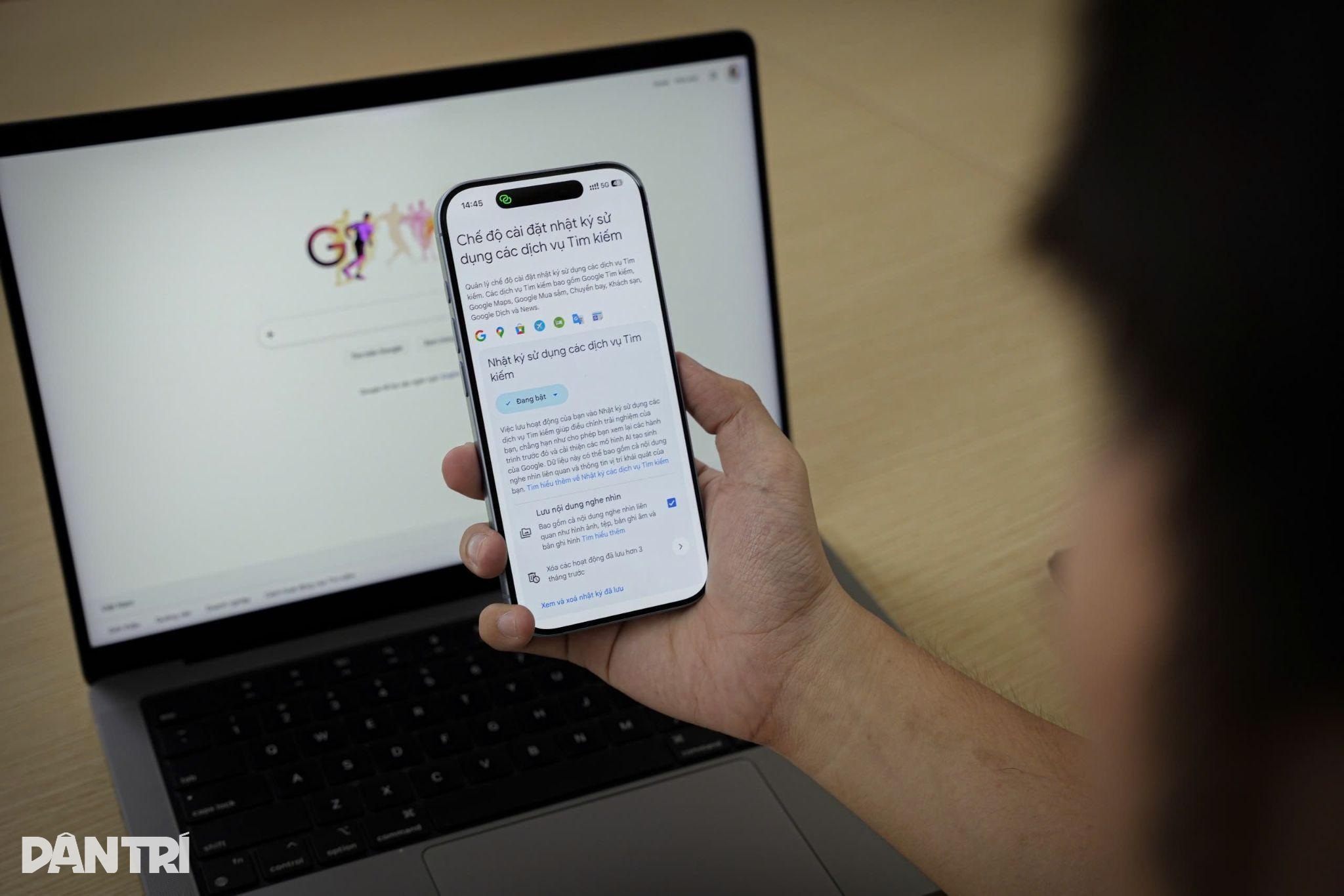
Every day, users leave countless traces in the online environment: search history, videos viewed, websites visited, posts interacted with, locations, installed applications or products viewed on e-commerce platforms.
These seemingly discrete data are synthesized, analyzed and built into a relatively detailed behavioral profile by the system.
For example, a person who regularly watches phone review videos, reads technology news, visits electronic retail websites, or searches for information about batteries, cameras, and performance may be assessed by the system as being in need of changing devices.
Even if that person has never typed the keyword "buy a phone", the algorithm can still predict the possibility of interest in this product.
In addition, modern advertising systems also make good use of data from advertising partners to understand users better.
That's why sometimes users feel like ads "read minds".
In addition to the increasingly accurate prediction ability of algorithms, in many cases, the reason also lies in the way people remember information that matches their interests.
There are hundreds of ads that appear every day, but we often only remember the ads that match what we just mentioned. Those cases make many people believe that the device is eavesdropping on them.
The bigger concern is not eavesdropping
Instead of focusing too much on the question of whether phones are wiretapped or not, users should be more concerned about the amount of personal data being collected every day.
"Many people click "Agree" when installing applications without carefully reading the terms of access, cookies or sharing data with third parties. After many years of using the Internet, the amount of accumulated data can be very large," said expert Ngo Minh Hieu.
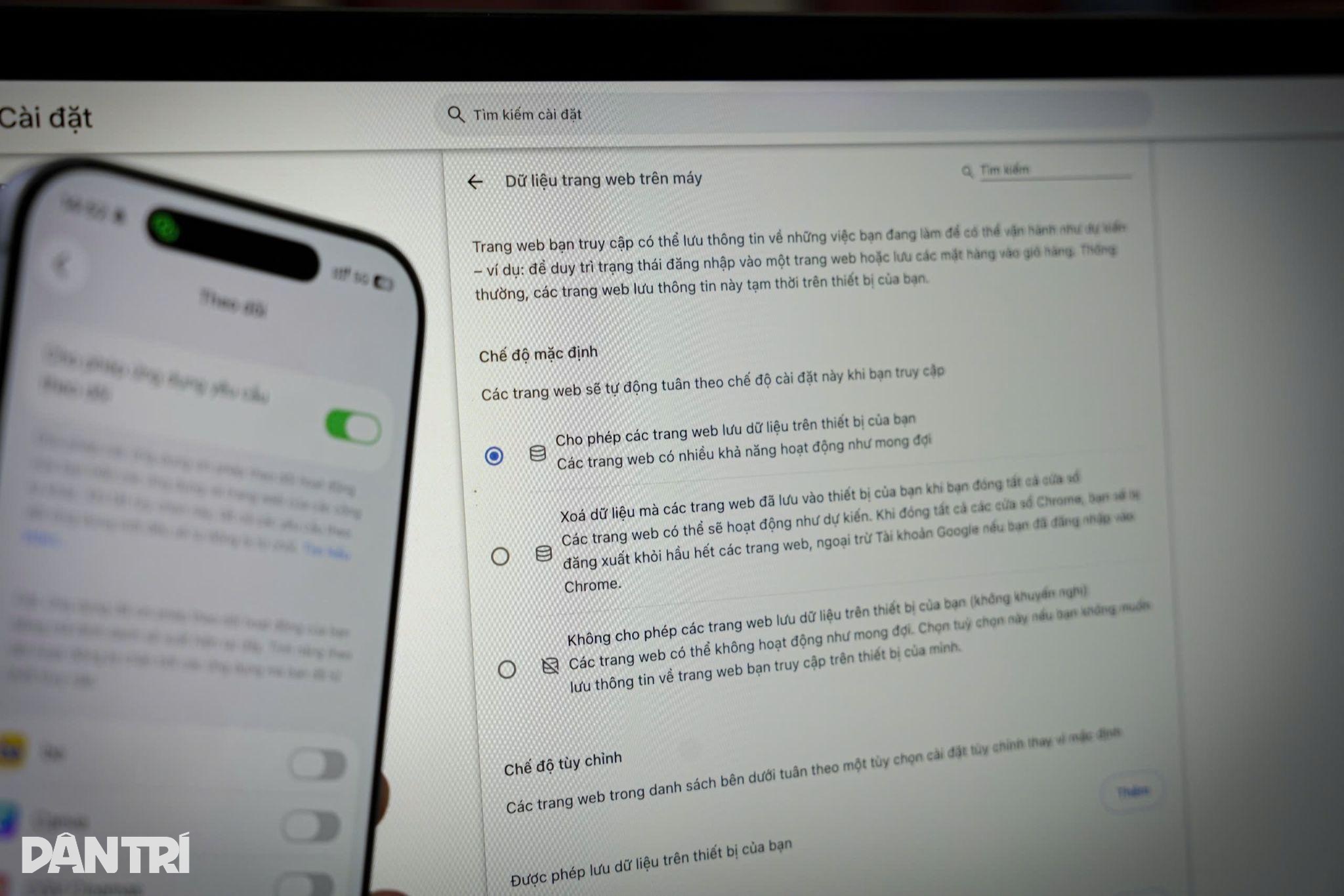
To limit unnecessary data collection, users should regularly check applications' access permissions to microphone, camera and location.
Applications that do not need to use these features should have their access revoked.
Besides, users can turn off or limit personalized advertising features on Google, Facebook and other platforms. While it doesn't completely eliminate advertising, it does help reduce the amount of advertising targeted based on behavioral profiles.
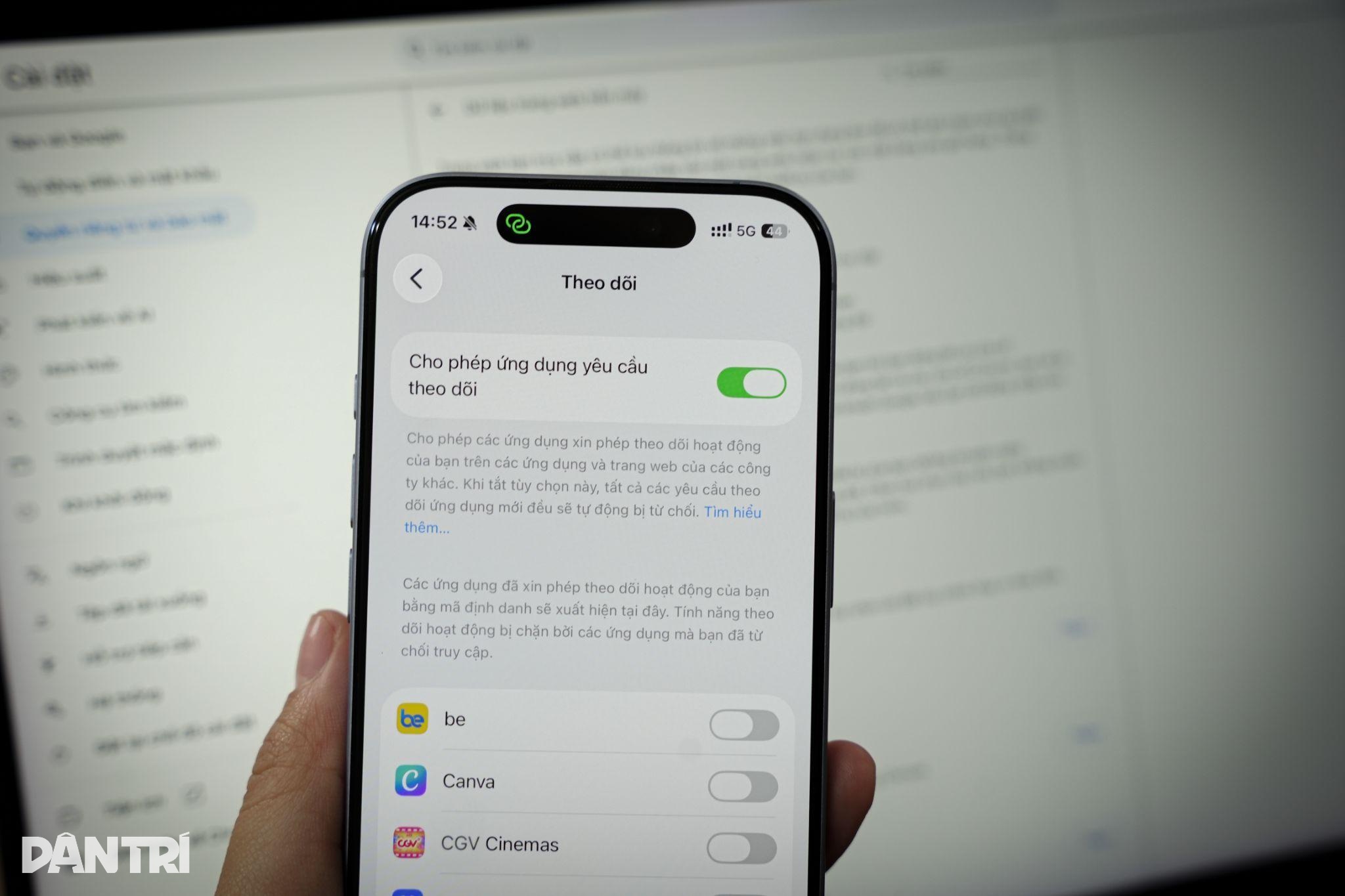
For example, on iPhone, users can access the Tracking section and turn off the "Allow applications to request tracking" feature.
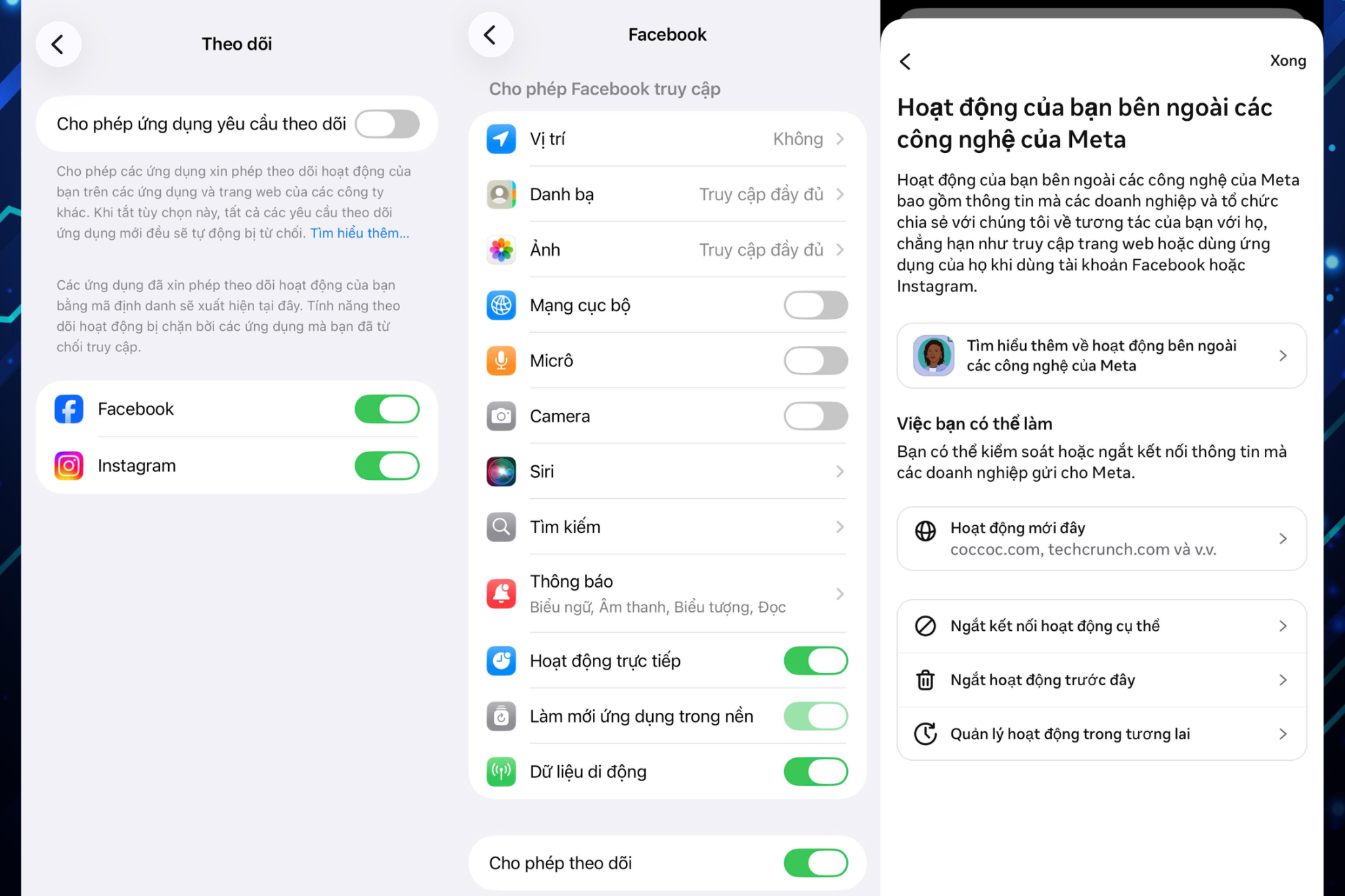
Another measure is to periodically review installed applications and remove those that are no longer in use.
Users should also review their activity history on services like Google, YouTube, Google Maps or social networks to understand what data they are sharing with the platform.
At the same time, many applications in the same ecosystem often share data to improve advertising effectiveness. Users should check privacy settings, link accounts, and limit cross-tracking between apps.