Cheap phones are gradually disappearing because of AI fever

(Dan Tri) - The average selling price of smartphones has increased about 15% globally this year. Recently launched models are about 25% more expensive than the same period last year.
According to Ivan Lam, senior analyst at research company Counterpoint Research, the global memory chip shortage is pushing up smartphone production costs.
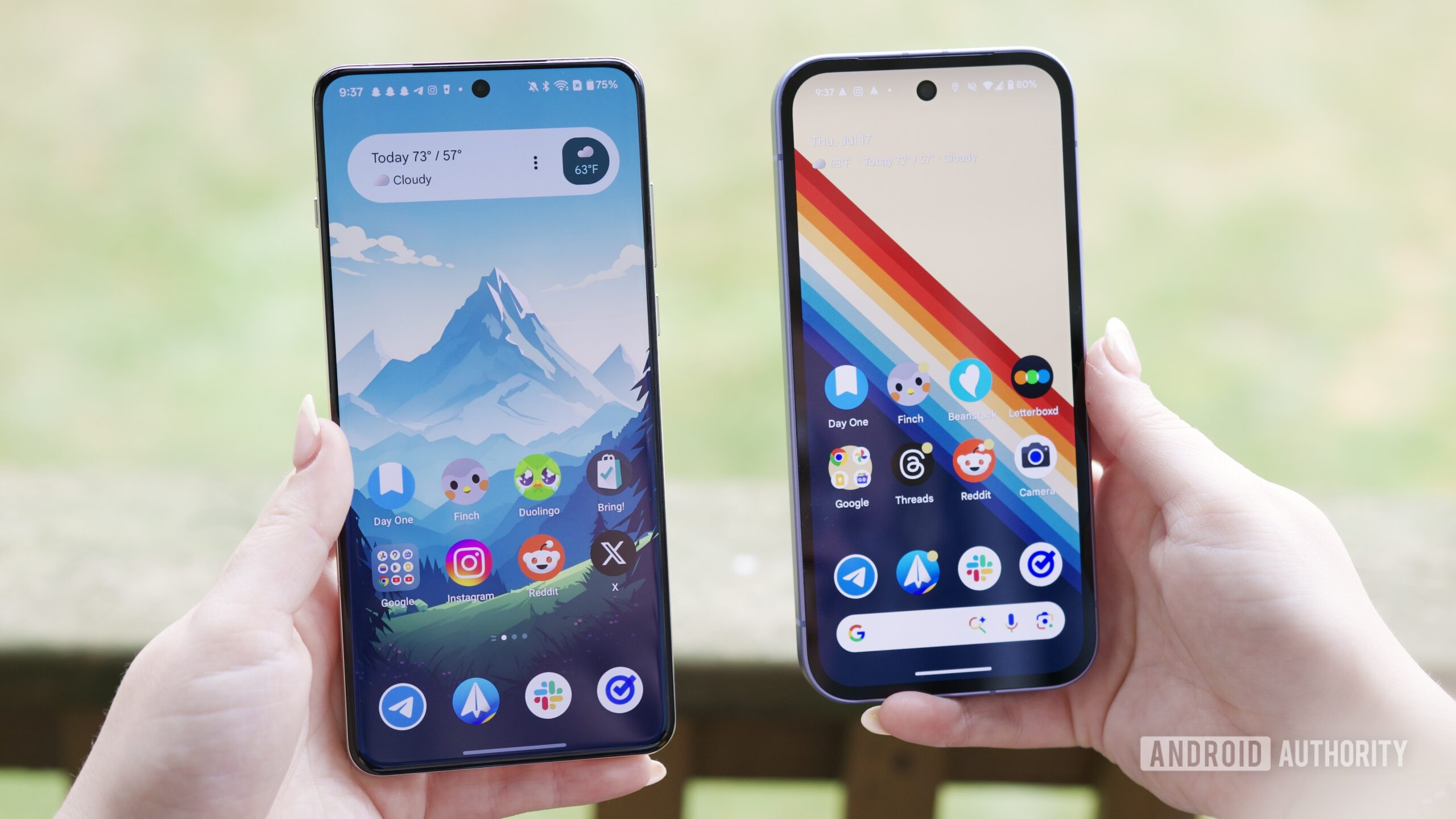
Smartphone prices continue to increase because of the scarcity of memory chips (Photo: Android Authority).
"Chinese brands previously produced about 60% of all smartphones globally. When memory chip costs increased, they significantly reduced popular products and focused on developing the high-end segment to optimize profits," Lam shared.
By 2025, 1 in every 4 smartphones shipped globally will cost less than 150 USD. To date, this segment is shrinking.
In the past, Chinese phone manufacturers such as Xiaomi, OPPO, vivo and Huawei have built their businesses around providing low-cost phones with a series of modern features.
"That strategy is changing. Chinese companies have reduced investment in products under $150 or $200 and focused more resources on phone lines with large profit margins, helping to improve brand value, user experience and AI," Lam said.
In India, Xiaomi has increased the price of the Redmi 15C by 36%. In Southeast Asia, the number of smartphones under 100 USD shipped by OPPO has plummeted 96%. The vivo brand also adjusted the selling price of its popular smartphones to over 100 USD in most markets.
In Africa, where 81% of smartphones shipped last year were priced under $200, the number of phones shipped under $100 fell 34% year-on-year.
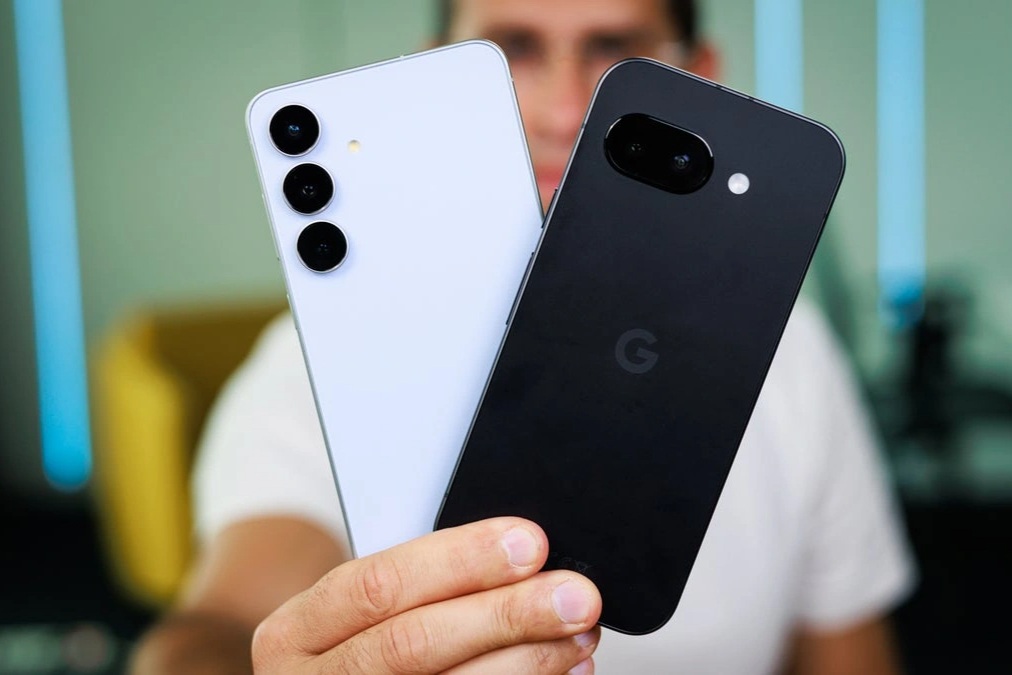
Cheap smartphones are gradually disappearing from the market (Photo: PhoneArena).
"What used to cost less than $150 has now increased to $250 or even $300. I don't expect costs to return to pre-2025 levels," Lam said.
Samsung Electronics, SK Hynix and Micron Technology account for more than 90% of the global memory chip market. These companies have signed many cooperation agreements with AI giants in recent years.
Ramon Llamas, director of mobile device research at market research company IDC, said the memory chip shortage is unlikely to cool down anytime soon.
"There are three major memory chip manufacturers. By the end of 2025, they had all shifted most of their supply to AI centers instead of consumer electronics. That left many companies struggling to find inventory. Scarcity pushed up memory chip prices, and that price increase was passed on to consumers," Llamas shared.