'Technology tourism' explodes in China

According to Rest of World, for decades, people who want to explore the advanced technology ecosystem often go to Silicon Valley in the US. Now, more and more people are turning to Shanghai, Hangzhou, Shenzhen - China's technology centers. They are willing to spend $9,000 on a custom-designed tour, aiming to visit electric car factories, self-driving taxis, robotics and AI companies.
The new trend has been fueled in part by a series of viral videos featuring dancing humanoid robots and flying cars, giving the impression that China may be moving faster than the West in some important areas.
"People have a fear of missing out (FOMO), thinking that the Chinese technology ecosystem is so sophisticated that if you don't observe it directly, you will be at an information disadvantage compared to experienced competitors," said Shaoyu Yuan, a visiting professor of international relations at New York University.
China Daily said tech tourism used to mainly target businesses and foreign professionals, but is increasingly attracting more independent travelers, families and students. This shift has seen technology gradually become a highlight of Chinese tourism, providing a taste of how digital services and automation are embedded in everyday life.
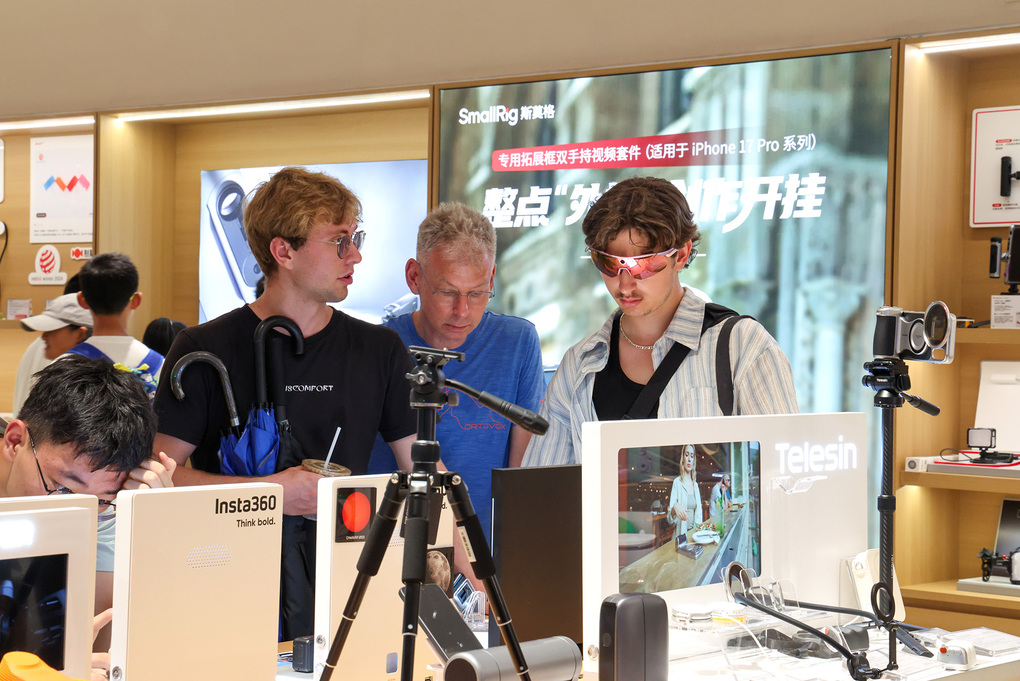
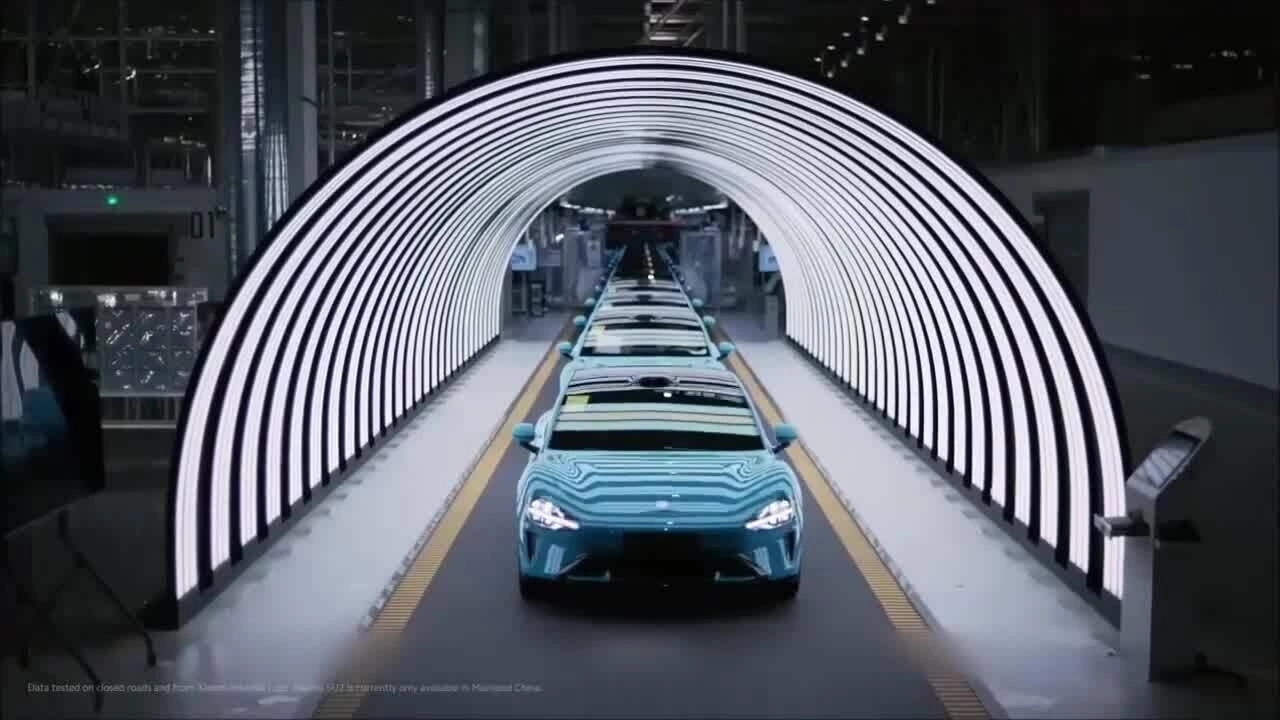
Technology tours usually last 3-5 days, with names like "Shanghai AI and Robotics Innovation Tour" or "Deep understanding of electric vehicles and batteries". Visitors will tour inside factories, startup incubators, conferences, and even have a private Q&A session with the director.
The companies appearing on the tour are carefully selected, often symbolic of China's technological rise. We can mention BYD, the company that surpassed Tesla in global electric car sales earlier this year, Unitree with its humanoid robot dancing and fighting that caused a fever, or DeepSeek, the AI startup that shocked the world when it launched a low-cost model last year.
"To be honest, the tour is quite expensive, but I have access to things that cannot be bought. I can visit BYD as a tourist, but cannot go further than the exhibition area," shared Indian investor Chetan Shah, who has participated in several technology tours.
Shah is running a family company. He said that witnessing China's production capacity firsthand helped him reconsider his subjective assessment of the competitiveness of parties in the international arena, improving his ability to make investment judgments.
"I compared similar businesses in the West, China and India, for example in the same chemical industry. When I came to China, I realized that India was almost unable to compete in terms of production costs," Shah said, adding that he promptly withdrew some investments, and these later decreased in value by 40-50%.
Tech tours for regular tourists in China are also on the rise. When typing the keyword "technology tour" on the travel service platforms Tripadvisor or Trip.com, visitors are suggested dozens, even hundreds, of options.
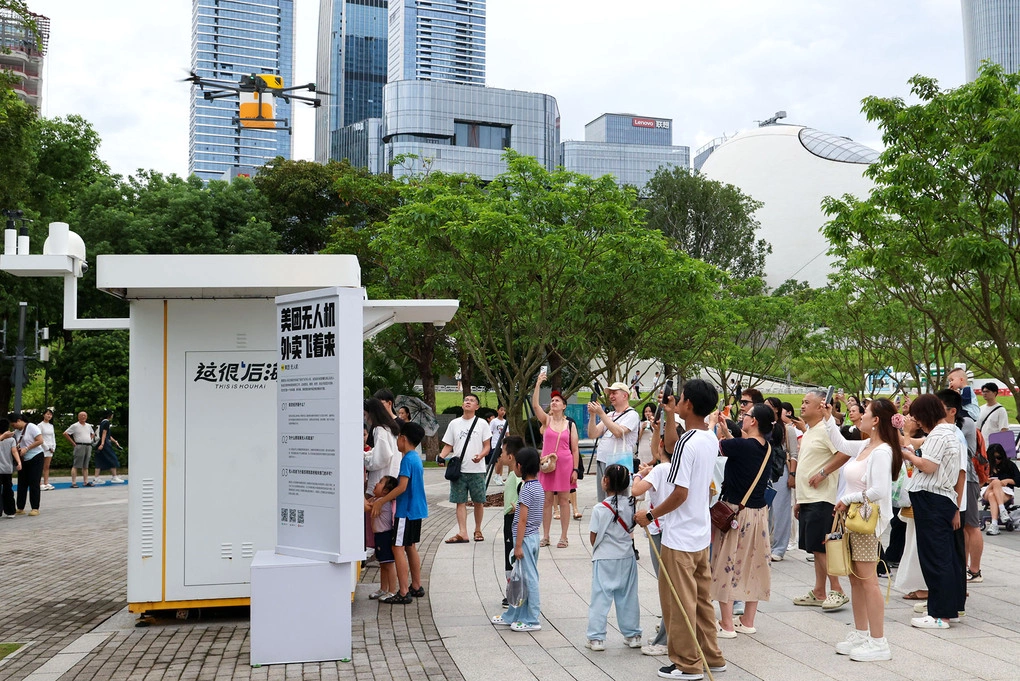
In Shenzhen, the highest ranking among 104 selections in early May was "Shenzhen Technology: Exploring the Future". This $92 bilingual tour includes a drone food delivery demonstration, a self-driving taxi ride, and a visit to a store selling AI-integrated glasses and toys.
Many businesses quickly take advantage of the opportunity to promote their public image. XPeng, an electric vehicle company developing flying taxis, has also been selling showroom tickets since January and often sells out.
In Yuhang District, Hangzhou City, Zhejiang Province, there are many trips taking foreign tourists to visit the Liangzhu archaeological site, where digital tools are applied to explain ancient Chinese civilization, and a modern AI town, where there are robotics facilities and Alibaba's digital industrial park. Guests can interact with humanoid robots, try out brain-computer interfaces, experience AI-generated content, and learn how digital platforms are used in transportation, shopping, and urban management.
"More and more independent travelers, families and foreign students are booking places for AI, robotics, and smart city experiences," said Gu Weiping, Director of the Study Tourism Department of Shunjing Company. The number of foreign visitors participating in the company's technology program has increased by 120% compared to the same period last year.
"China has many technology companies, but what stands out is how AI and smart technology are applied to tourism and daily life, allowing visitors to directly experience how technology changes life," Wu Liyun, professor at the Institute of Chinese Culture and Tourism at Beijing University of International Studies, explained on China Daily.
"They can observe a lot of interesting things that are probably very difficult to see back home, in terms of sophistication and scale. I think the scale and level of development is really amazing," Kyle Mullin, a Canadian living in Beijing, told CGTN about foreign tourists coming to China for technology tourism.
Experts say this trend is consistent with China's efforts to promote the image of a technological powerhouse, helping to strengthen its "soft power".
Many videos introducing this form of tourism are also causing fever on the Internet. For example, last April, American YouTuber iShowSpeed went to Shenzhen and experienced flying car driving. The video reached more than 600,000 views, and was praised by Chinese media for "revealing reality in China".
Earlier this year, two American content creators Kara and Nate posted a 33-minute video on YouTube titled "China is living in 2050", capturing images of robot dogs and a series of high-tech consumer products. The video attracted 1.3 million views and thousands of comments.
Professor Yuan said that when seeing Chinese technology content on TikTok or YouTube, viewers may be curious and decide to travel. The tours provide a hands-on experience, then images and videos of the trip continue to be shared online, reaching new audiences and the cycle repeats.
"Each iteration helps reinforce the perception that China is a true technological power, perhaps even at the forefront. Whether you think that perception is accurate or exaggerated, the mechanisms that create it are real and accelerating," he concluded.