Using deepfake to impersonate the Crown Prince of Dubai to deceive people

Maria, a female cleaner of Filipino nationality, met a scammer posing as Dubai Crown Prince Hamdan bin Mohammed on a dating website. The two sides then switched to chatting on a messaging platform, in which the scammer often sent her emotional messages.
"He kept texting, even when I was sleeping. It felt like our minds were connected by love magic," Maria recounted. She asked to keep her real name and age anonymous.
In a WhatsApp video call recording verified by AFP, the scammer appears identical to the Crown Prince of Dubai. The speech also perfectly matches the lip movements, but the voice is not that of a real person. "Hello sweetheart. I really appreciate your love and support," the person in the video said.
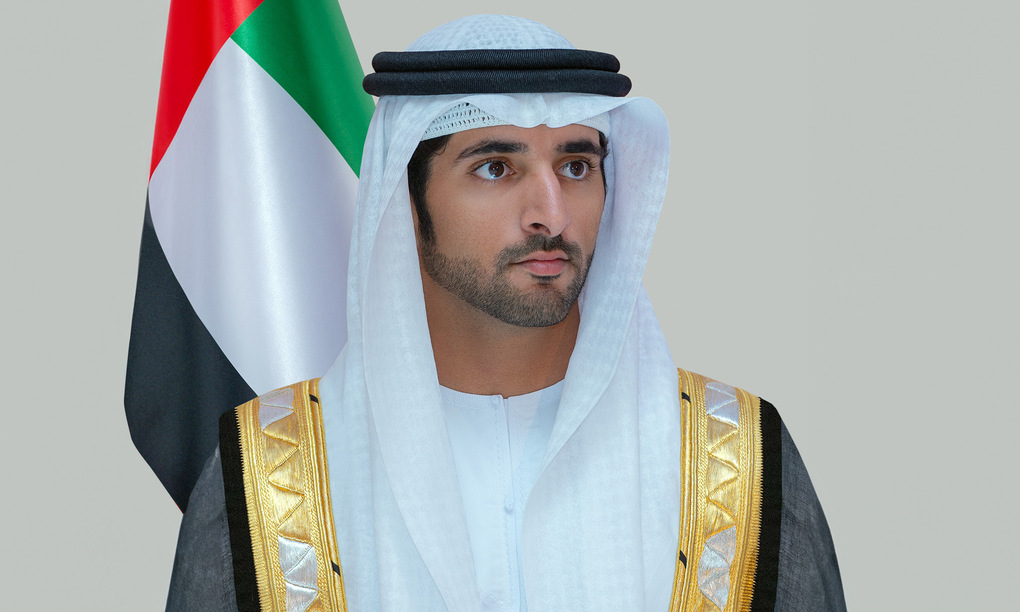
It is unclear which AI tool is used to create real-time images during video calls with Maria. At that time, she seemed to have fallen in love, not thinking that she was a victim of fraud. The person behind it urged her to send 100,000 pesos ($1,625) to get a "marriage certificate and royal membership card", as well as help her find a job in Dubai.
Maria became suspicious when the scammer proposed to meet at a hotel and asked her to pay 60,000 pesos (974 USD) to book a room. When reviewing her opponent's Facebook account, she discovered that it was registered and operated in Nigeria.
The Filipino female cleaner decided to cut off contact. "Go to hell, you fraudster," she wrote in her final message.
"Many people said I was glad I didn't go crazy after going through this," Maria said.
This is part of a scam ecosystem described as "fake Dubai Crown Prince". In particular, scammers take advantage of a large number of images posted online of Dubai Crown Prince Hamdan bin Mohammed, even copying his real poems to convince victims.
AFP reporters discovered a series of fake Facebook groups, some with thousands of members, inviting users to WhatsApp and Telegram to chat directly with the "Crown Prince". In the comments section, some people warned that these posts were scams, but many still responded with heart emojis or blowing kisses.
A number of warning groups have been created, such as the Instagram group called "Don't trust the fake Crown Prince". A petition was also posted on Change.org, calling on the team under the Crown Prince of Dubai to raise public awareness about his impersonation. "They often use Dubai phone numbers, asking victims to transfer large amounts of money to foreign bank accounts, sometimes using digital currency, making tracing efforts very difficult," the petition reads.
Dubai officials did not comment on the information.
The Crown Prince of Dubai is not the only one whose image has been exploited. French authorities last year opened an investigation to find the man who impersonated movie star Brad Pitt and swindled 830,000 euros ($945,000) from a woman. The Global Anti-Fraud Alliance, a non-profit organization that is working with Microsoft and OpenAI to fight cybercrime, estimates that people around the world lost about $442 billion last year to all forms of fraud, including love scams.
AI deepfake technology, along with motion control tools, can create highly realistic videos, allowing control of the fake character's facial gestures and body movements in real time.
"Technology is improving very quickly. Real-time deepfake videos will become more and more realistic. When this happens, it will be almost impossible to determine whether online conversations are with real or fake people," said David Rand, a researcher at Cornell University in the US state of New York.
Diep Anh