Elon Musk reveals 'crazy' construction plans on the Moon
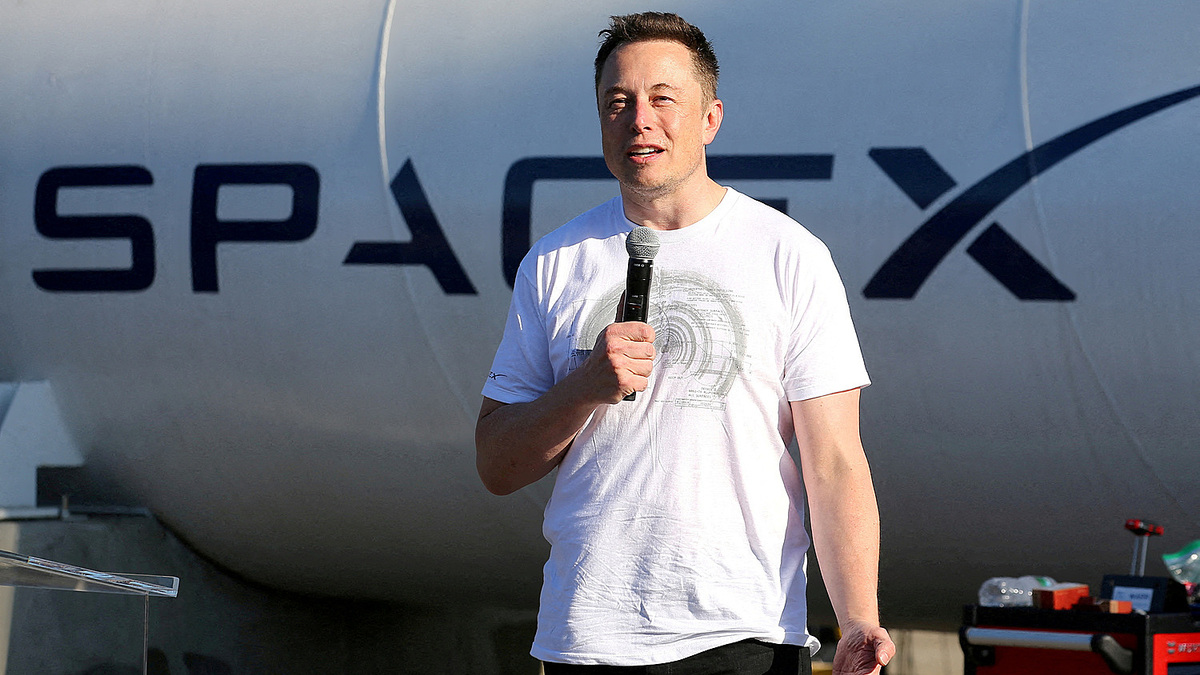
"We will send a large amount of goods to the Moon, build factories there. Robots will be very useful for work," Musk said during SpaceX's quarterly earnings call, taking place this week.
According to the plan, the factory will produce Starmind AI satellites for SpaceX. The company aims to operate the Starmind network of one million operating satellites in Earth orbit in the coming years, then expand the scope. In the more distant future, SpaceX wants to launch into space Starmind satellites produced right on the surface of the Moon.
"I know using robots to scale up production on the Moon sounds very 'science fiction' now, but it will happen," Musk affirmed.
According to the billionaire, if there is an electromagnetic launch system and the production of solar cells and radiators on the Moon, the "amount of intelligence" sent to space could be 1,000 times larger than on Earth, even a million times, although he admitted "this sounds completely crazy".
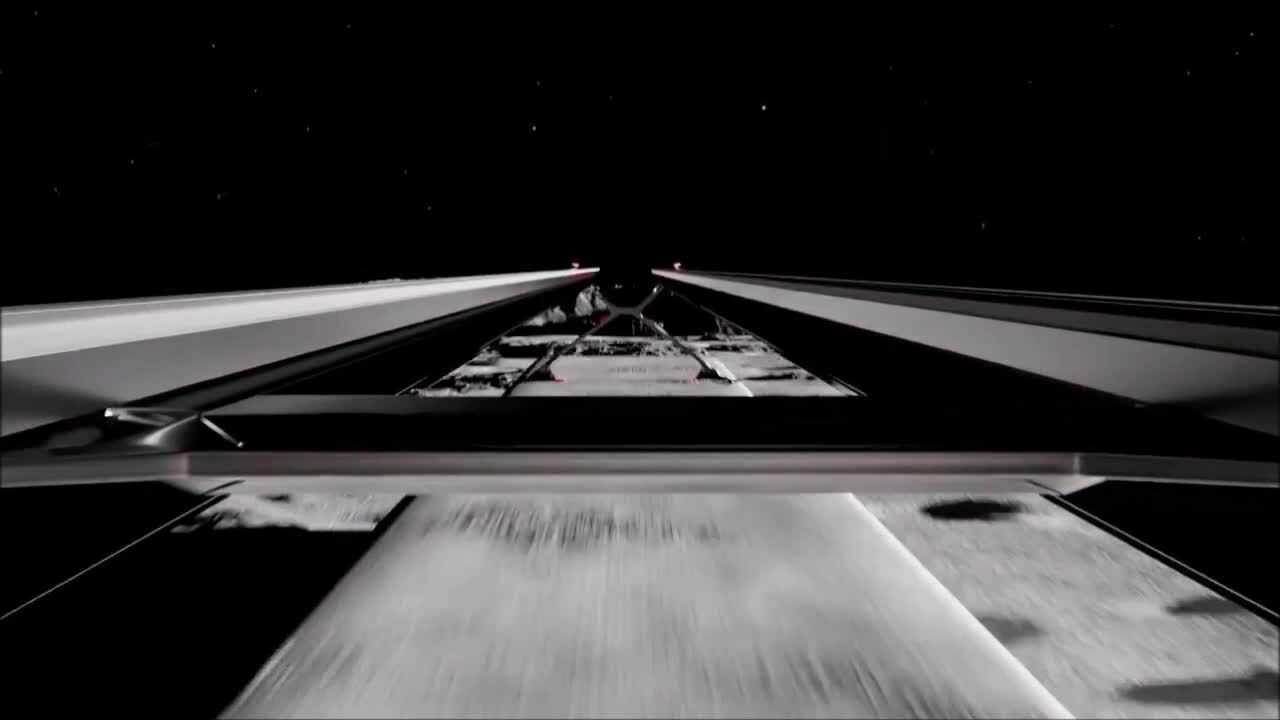
Instead of rockets, Musk's proposed electromagnetic launch system uses giant electromagnetic rails and solar energy to launch satellites into space. These tracks can stretch for tens of kilometers, using magnetic fields to push AI satellites to speeds high enough to escape the Moon and fly into orbit. The system also eliminates the need for expensive, volatile chemical propellants and rocket boosters, which are often discarded after launch, polluting the Earth.
Meanwhile, solar cells and radiators are two essential components of the Starmind satellite. Solar cells help provide power, while radiators help disperse the large amount of heat the satellite generates into space.
Space said that Musk did not detail the robotic workforce on the Moon, but may be relying on the Optimus humanoid robot developed by another of his companies, carmaker Tesla.
According to Fortune, SpaceX's plan depends heavily on Starship, the largest and most powerful rocket ever built. The rocket is about 124 m high, has two stages and can be reused. The lower stage is equipped with 33 Raptor 3 engines, estimated to provide about 8.2 million kg of thrust when taking off. The upper deck is equipped with 6 engines, generating more than 1.5 million kg of thrust. In the most recent test that took place at the end of May, the rocket prototype successfully flew into suborbital space, deployed 20 satellites, then returned and landed in the sea.
Musk said SpaceX is transporting about 2,500 tons of cargo into orbit each year using Falcon rockets, accounting for about 80-90% of the globe. With Starship, SpaceX is aiming to transport one million tons per year, later increasing to 10 million tons.
"Starship aims to quadruple its carrying capacity and reduce launch costs by a factor of 10 compared to the Falcon 9 rocket," Bret Johnsen, SpaceX's chief financial officer, said during a meeting this week.
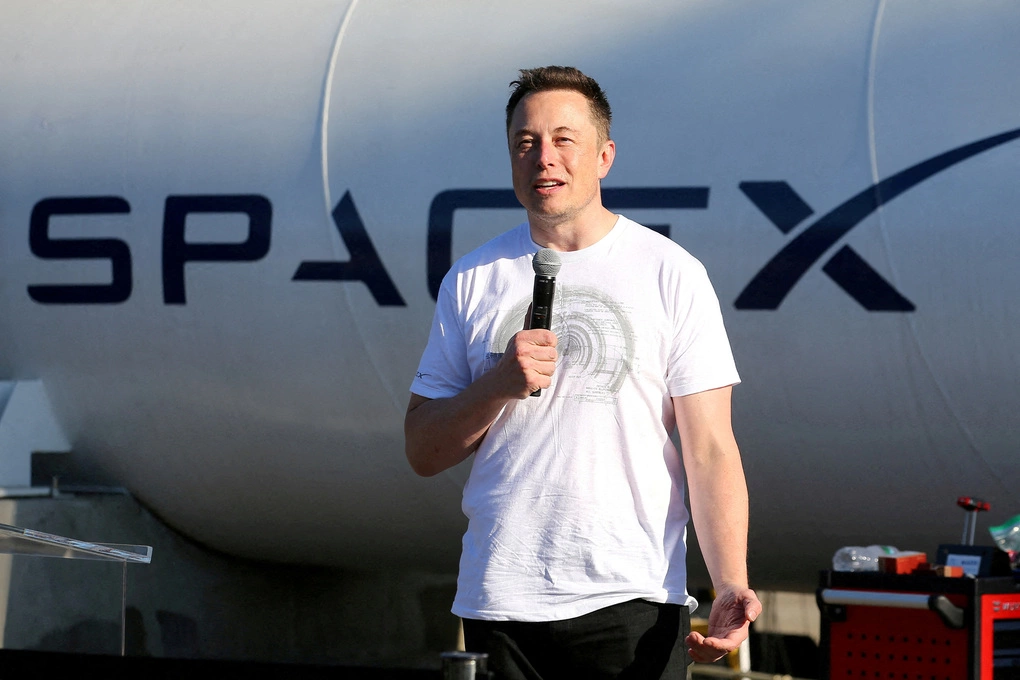
"It's absolutely crazy," Jim Cantrell, CEO and co-founder of Phantom Space, commented on SpaceX's plan to build infrastructure on the Moon. "But Elon will still do it, because that's how Elon acts."
Previously, Musk had mentioned this plan many times. In February, the billionaire wrote on Twitter that SpaceX would shift its focus from building a city on Mars to the Moon because it could be completed sooner, setting a 10-year deadline. He affirmed that SpaceX's mission has not changed, which is to bring human life and intelligence far into space.