Prices of smartphones and computers increased sharply because of the scarcity of memory chips
In the middle of last week, Microsoft sold the next generation Surface Pro and Surface Laptop with the common point that the listed price increased. The new Surface Pro starts at $1,599, $600 higher than the previous generation, while the Surface Laptop also starts at $1,499, an increase of nearly $500.
The Nintendo Switch 2 game console with Legends of Zelda game is priced at 499 USD, 50 USD higher than in May. Another game console model, Sony PS5 Pro, increased from 750 to 900 USD since April.
Similarly, many consumer electronics products such as PCs, laptops, and smartphones have been adjusted by companies in an upward direction since the beginning of the year. For example, Samsung's Galaxy A37 and A57 increased by several dozen dollars despite only being a small upgrade compared to the previous generation. Motorola also adjusted the price of the Razr 2026 series to more than 100 USD.
Some companies plan to increase product prices in the context of rising costs for memory chips. Even Apple, a company famous for its stable supply chain, is no exception. "Unfortunately, price increases are unavoidable. We have tried our best to reduce the increase and protect customers, but things are becoming unsustainable," Apple CEO Tim Cook told the WSJ last week.

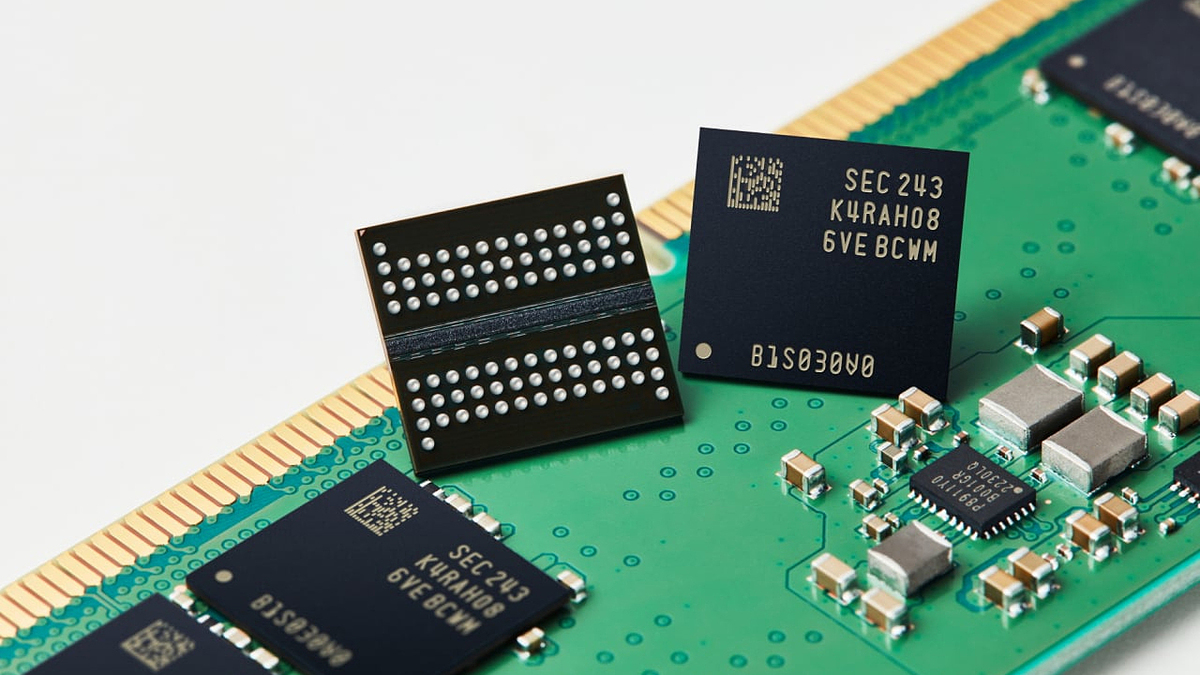
The price adjustment stems from the global supply shortage of DRAM memory chips and NAND flash memory - components found in most mobile devices. The AI data center fever prompted large manufacturers such as Samsung Electronics, SK Hynix (Korea) or Micron Technology (USA) to shift production lines to supply enterprise memory chips to serve AI servers, choking the supply for the consumer electronics segment.
Citing analysis from market research company TechInsights, WSJ said that compared to last year, DRAM and NAND component prices are expected to quadruple this fall. Analysts predict that the price of the new generation iPhone may increase. Currently, the iPhone 17 Pro starts at $1,099, giving Apple a gross profit margin of 47%. To maintain this profit margin on the new generation, Apple will have to sell the iPhone 18 Pro for $1,371. The company often has a habit of rounding the selling price, so the figure of 1,299 USD is considered more appropriate.
In May, Jukan05, a famous analyst and "leak expert", posted a chart showing a visual view of the decline in supply and the "unstoppable" price increase of the memory chip market. The shortage is so severe that the DRAM market is adopting an hourly price adjustment model.

According to Tom's Hardware, in the first quarter 2026 financial report dated April 30, Mr. Kim Jaejune, leader of Samsung's memory chip segment, warned that the memory crisis will not end in 2027. In fact, the gap between supply and demand next year may widen even more than in 2026. Similarly, Mr. Chey Tae Won, President of SK Hynix, said that the pressure on AI-related memory demand will last until next year. 2030.
In March, Harry Yoon, Samsung's vice president of memory marketing and product planning, told the media that the shortage was shifting from high-bandwidth memory (HBM) for data centers to NAND memory, which is suitable for inferential AI models. "In previous years, HBM was the mainstream technology. However, many companies are shifting production capacity to NAND, showing that this is a relatively new trend," Yoon said.
Manufacturers are currently rushing to add new lines. However, building them cannot happen overnight. According to TechRadar, a foundry costs billions of dollars to build and takes about 2-3 years to complete, meaning shortages and rising prices will continue for at least the next few years.
Memory chip manufacturers also seem to be in no hurry, as most products are still selling well even with increased prices. According to Circular Technology, a data center hardware retailer headquartered in Massachusetts (USA), in 2025, the contract price of some Micron memory chips for data centers has increased from 350 to 1,300 USD.
"Companies are overvalued. Having to maintain high profit margins puts consumers at a disadvantage," Brad Gastwirth, global head of research at Circular Technology, told the WSJ. "Computers released later this year won't be cheap."
Bao Lam compiled