Solving the problem of 'businesses only come to universities during recruitment season'
At the Preliminary Conference summarizing one year and six months of implementing Resolution 57, on July 1, General Secretary To Lam requested research institutes and universities to focus on practical problems of the country, localities and businesses, overcoming the situation of research that is far from reality, with results "in the drawer" or unable to find an application address.
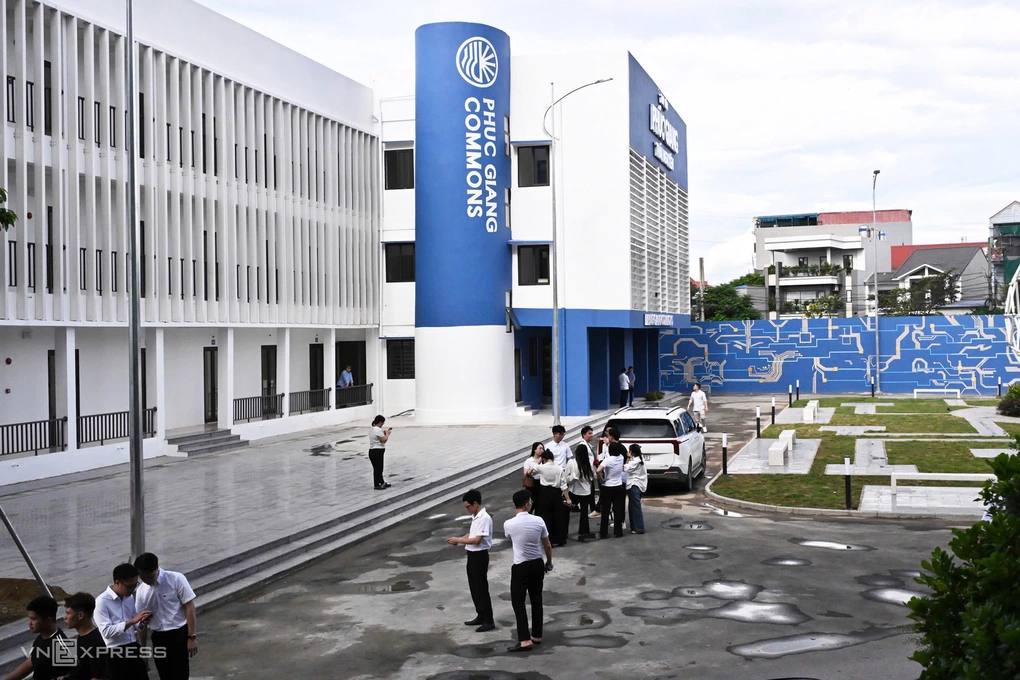
On July 4, Information and Communications Technology University (ICTU) - Thai Nguyen University announced the State - school - business cooperation ecosystem, with nearly 2,500 m2 for businesses to set up offices, with lecturers and students to research and develop products.
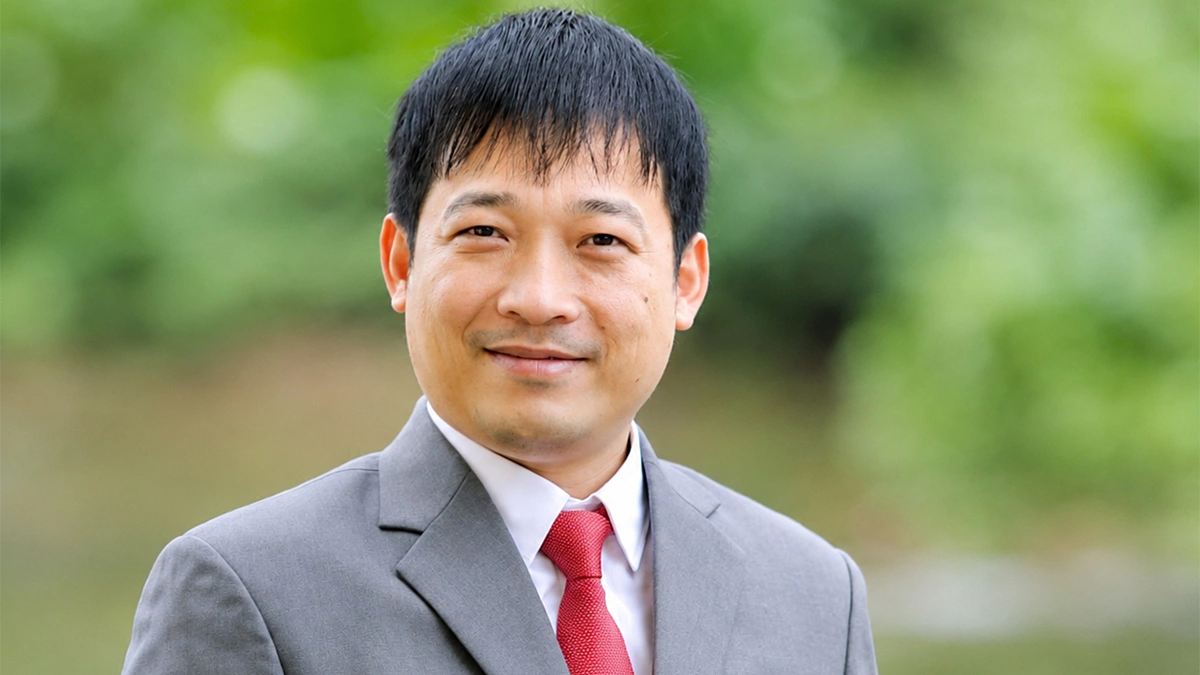
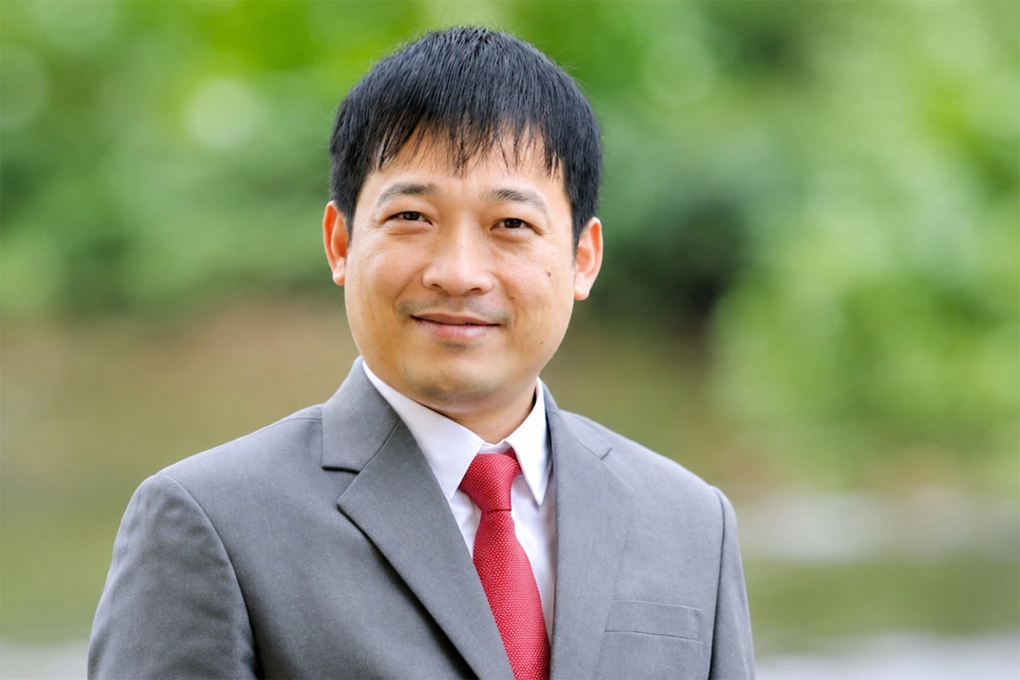
Associate Professor, Dr. Phung Trung Nghia, Rector of ICTU, shared with VnExpress how a regional university can bring businesses and real-life problems into the classroom.
- Why do many businesses only come to universities during "recruitment season", instead of bringing difficult problems to solve?
- There are many reasons leading to that reality. Many businesses only go to universities to recruit final-year students, because that way they do not have to incur additional costs when deeply involved in the training process.
On the contrary, when businesses contribute comments on the program and suggest adjusting training goals according to needs, not all schools are open and ready to change.
With local universities and member schools of regional universities such as ICTU, we also face difficulties in geographical location. Most high-tech enterprises are concentrated in Hanoi and Ho Chi Minh City, so opportunities to access businesses are more limited.
For many years, we have wondered how a member school of a regional university can create great opportunities for students right where they study.
We decided not to wait. If it is difficult for students to get close to businesses, bring businesses closer to students. If practical problems have not yet entered the classroom, we must find ways to incorporate those problems into classes, laboratories and research projects.
- The "three houses" link is mentioned a lot, but the model is not effective everywhere. How can businesses really get deeply involved in universities?
- We have been talking about State - school - business cooperation for many years. The important thing is to turn policies into real spaces, real programs, real projects and real results.
ICTU currently cooperates with about 350 businesses. However, to cooperate deeply and effectively, we must select a number of businesses that have the potential to be attached to the school. The two sides discuss to find a beneficial and effective model.
Businesses investing in facilities and people and participating with schools not only in training but also in science and technology and innovation need a model and method that is convenient for them. Thereby, businesses can also benefit from participating with schools, in addition to recruitment needs.
Resolution 57 touches exactly this need of ours. The attention of local leaders, ministries and branches also helps to have more opportunities to access socialization resources and resources from businesses.
- Specifically, in what way is ICTU looking for common benefits with businesses?
- For each business, we have different ways of organizing and managing.
Samsung located the SIC Innovation Center at the school, with the goal of providing human resources, especially for new fields such as semiconductors.
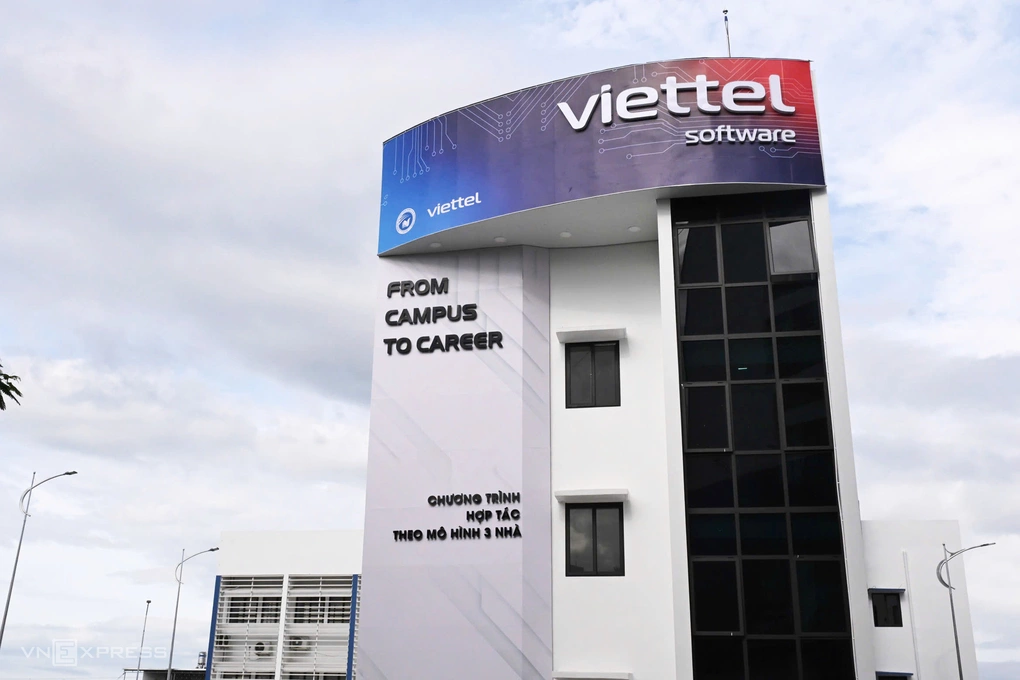
With Viettel, the school cooperates in providing human resources, especially for digital transformation and digital government projects nationwide. Viettel's experts and mentors can be in Hanoi, while students work at the lab on campus.
With Minh Viet or CinePlus, we coordinate in such a way that students' projects and assignments can become corporate products.
A film, for example, can be broken down into many components, many small tasks. Students participate from the first, second to final years, completing the subjects in the program, accumulating experience and earning additional income from the work assigned by the business.
- Are there any problems from businesses that ICTU lecturers and students have solved and gone to commercialization?
- A typical example of the cooperative relationship at ICTU is the birth of the animated film De Men: Adventure in Loi Loi Hamlet.
From the beginning of the article set by Minh Viet Group and CinePlus Joint Stock Company, we divided the film production process into many components and small tasks for lecturers and students to participate in solving together. The work pieces are then synthesized into a complete product, transferred to the business and brought to the market. The film has become a commercial product and has a revenue of more than 20 billion VND.
With this approach, students' major projects and assignments can become part of the business's products. Students can participate in real work right during their studies, instead of waiting until the final year to know what the business needs.
- The school reserves nearly 2,500 m2 for businesses to set up offices and research rooms. How does this space change the way students study?
- What we announce is not simply a space of nearly 2,500 m2 or business offices located on campus.
We would like to introduce one way of doing it.
There, universities are not just a place to impart knowledge, businesses are not just a place to recruit, students are not just studying to wait for graduation. Businesses bring practical problems, schools bring knowledge, students participate in research and creativity; The state creates policy corridors, orients and connects resources.
I hope students no longer have to wait until their final year to know what businesses need, and don't have to graduate to learn from the beginning. Right from the first year, students can meet engineers, managers, experts, and businessmen; Participate in real projects and learn through life's problems.
A university may not create every technology, but a good university must create people capable of creating technology.
- So what needs to be done to make the relationship between universities and businesses truly come true?
- I think there is still a lot of work to be done. Regarding state management, we hope to have policies so that businesses participating in education and training activities will receive priority, such as tax reduction, tax exemption or other favorable conditions. That will create more motivation for businesses to connect more deeply with schools.
The school itself must also be open-minded, open and ready to change in response to the business's topics and requirements. Businesses also need to determine that this is a sustainable problem. To have stable and suitable human resources, they need to engage more deeply and early with schools.
If the State, schools and businesses do these things well, I think the "three houses" model will develop sustainably and have more specific results.
Trong Dat