CIA Director Likens Advanced AI to 'Nuclear Weapons'
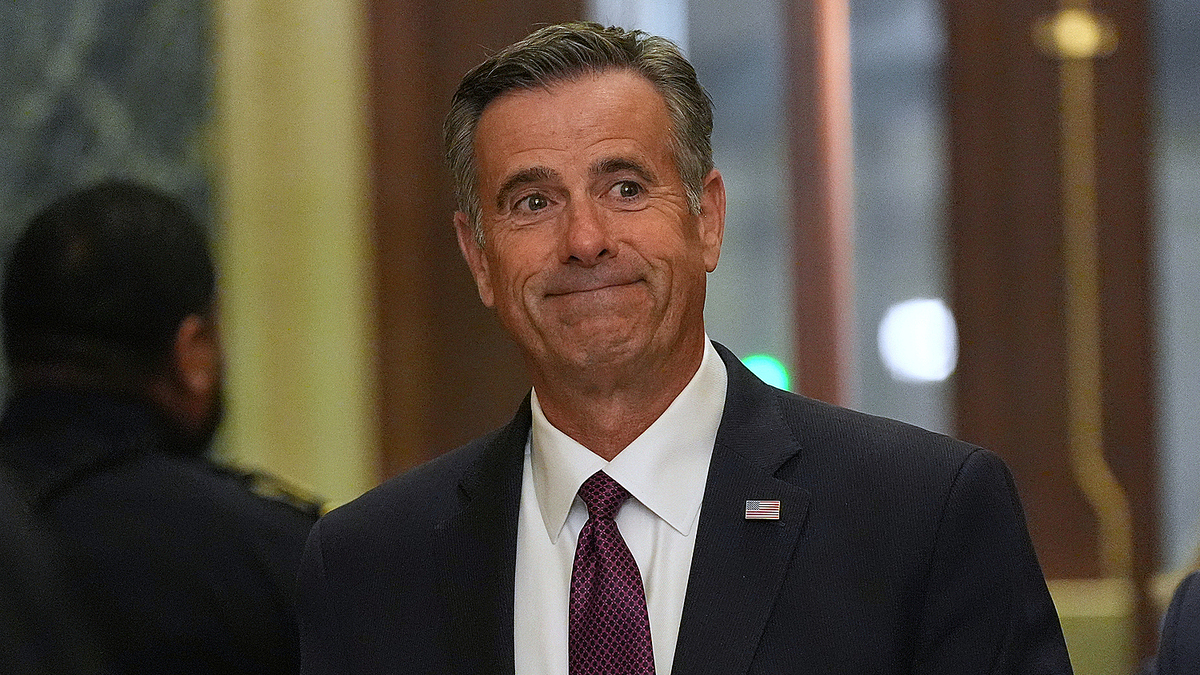
The information was said by John Ratcliffe, Director of the US Central Intelligence Agency (CIA) when speaking at a technology conference organized by Amazon Web Services (AWS) in Washington on June 30.
Ratcliffe emphasized that the rapid development of emerging technologies is changing the nature of geopolitics and "rewriting the reality of conflict". He warned that the US must act quickly because rivals are also stepping up AI development.
The CIA director reiterated that tracking emerging technology has been his top priority since taking office 18 months ago. He also accused America's opponents of trying to "steal and manipulate" the country's advances for their own purposes and interests. He said that the CIA is actively applying American technology and reorganizing around cybersecurity, developing both "swords" and "shields" to protect critical infrastructure.
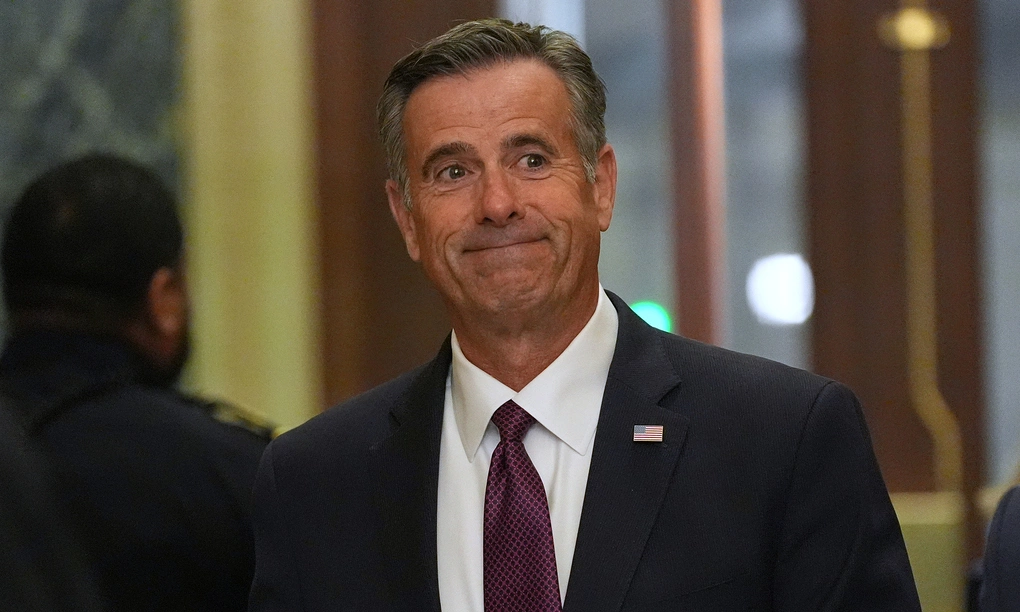
According to AFP, the new statement shows that Ratcliffe supports the tough stance of President Donald Trump's recent administration on controlling the release of advanced AI models.
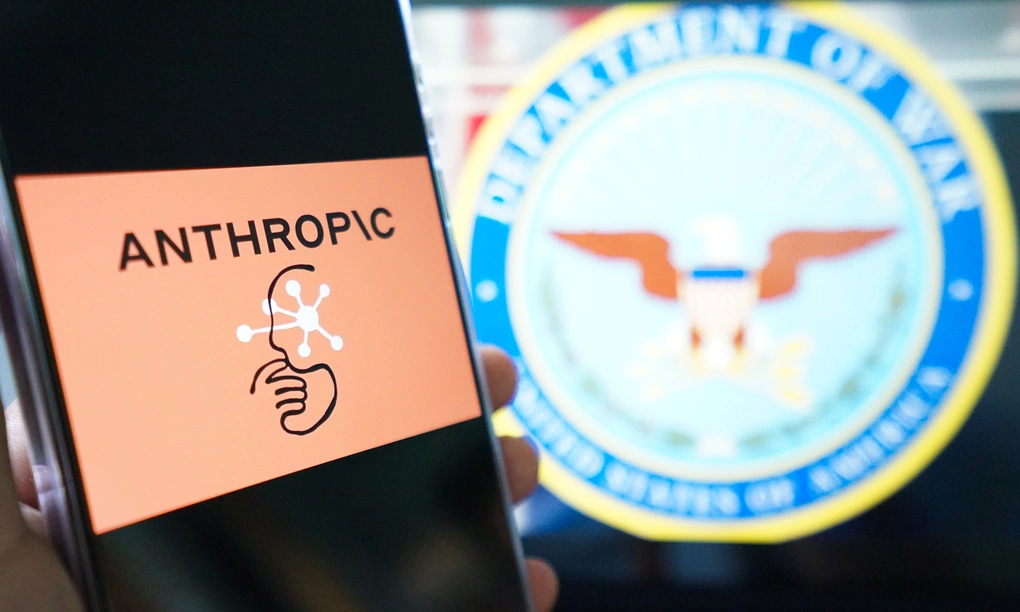
On June 12, the US government forced Anthropic to stop providing access to Fable 5 and Mythos 5, the company's two most powerful models, to foreign citizens. Two weeks later, the US Secretary of Commerce said Anthropic had coordinated with the government to address "threats related to the models in question" and allowed open access to Mythos 5 with a small group of cybersecurity companies in the country. On June 30, Anthropic said that the US Department of Commerce had removed export control measures on Fable 5 and Mythos 5.
OpenAI, Anthropic's rival, last week also complied with a request from the US government and limited access to the latest model GPT-5.6, allowing only a few approved partners to use it.
According to Reuters, the incident highlights growing concerns in Washington about the national security risks that powerful AI systems can cause. Policymakers are pressing companies to put controls and protections around them. By accessing advanced models early, US officials want to identify threats before they are widely deployed.
In addition to Ratcliffe, many experts have also warned about the dangers of AI. At the end of 2024, professor Geoffrey Hinton at the University of Toronto (Canada), known as the "Godfather of AI", said that there is a 10-20% chance that AI will destroy humanity within the next three decades.
In February this year, professor Stuart Russell at the University of California, Berkeley, warned that technology CEOs are caught up in an "AI arms race", consuming huge amounts of money and energy. He pointed out the risk of artificial intelligence systems "taking control and human civilization suffering unintended losses".
At the end of April, Elon Musk, CEO of SpaceX and Tesla, repeatedly mentioned the scenario that AI could become a "destroyer" when testifying in court in a lawsuit against OpenAI. This billionaire believes that "the worst situation could be that AI destroys us all".
Last month, Anthropic even called on leading AI developers to consider establishing a coordination mechanism to slow or halt global development if AI begins to improve itself at a rate that exceeds society's ability to manage risks. This startup believes that AI with the ability to self-improve will be a major development in the history of technology, but also increases the risk of humans losing control.