YouTube Director: 'Children should not be separated from the digital environment'
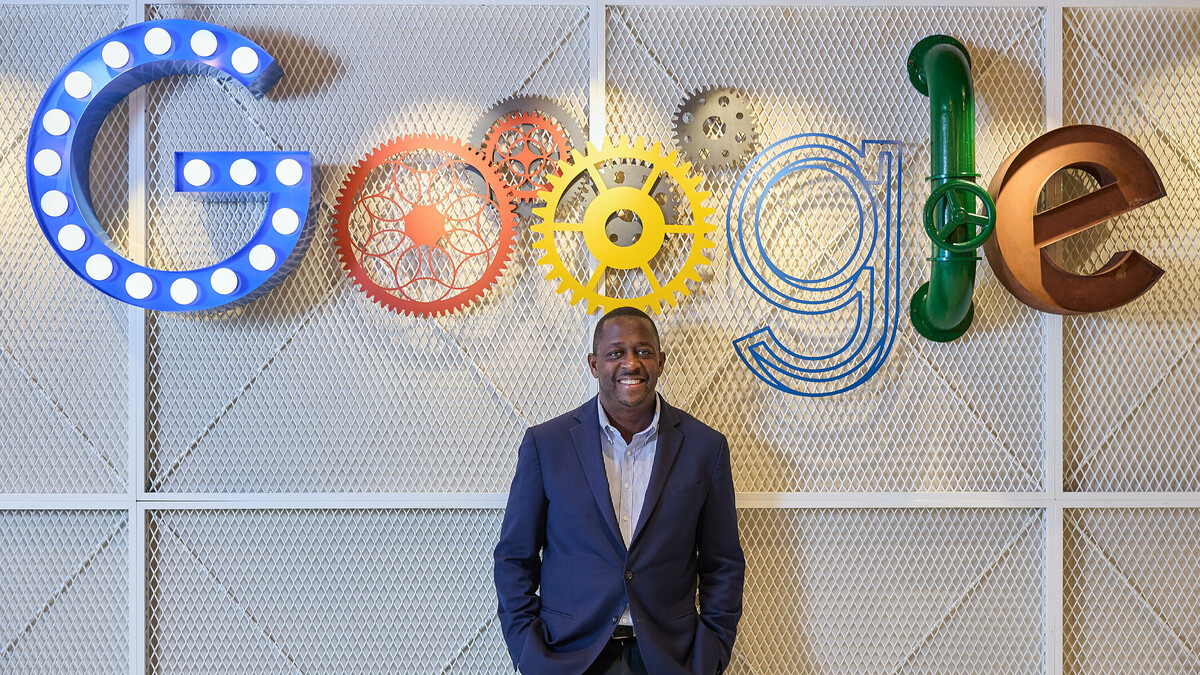
Dr. Graham is a cardiologist and public health expert, with many years of experience in policy planning and health management in the US. Before joining YouTube, he served as Deputy Assistant Secretary of Health, Vice Chancellor of the University of Florida College of Medicine, Chairman of the Aetna Foundation and Director of Public Health at CVS Health.
The Ministry of Culture, Sports and Tourism is collecting comments on a draft amendment to Decree 147, which proposes to prohibit people under 16 years old from posting, commenting, sharing or expressing emotions on social networks. Talking to VnExpress, Dr. Graham said that the sustainable solution is not to separate children from the digital environment, but to build a safe platform, provide tools to support parents and guide children to form critical thinking and healthy habits of using technology.

- Google has recently continuously added child management features, does this show progress in solutions to protect children online, or conversely proves that the problem has never been completely resolved?
- That comes from reality, technology is always changing, children are also changing and the way we live with technology is also constantly changing. As things continue to evolve, digital platforms must also continuously adapt to provide a more relevant experience for users, especially children.
Previously, in many countries, the biggest question was whether children had access to the Internet, but now the focus is different. We are no longer talking about access, but about how technology can support children's health, learning and development. Technology has become a part of their learning journey, from educational content on YouTube to many other support tools. So, instead of asking "can it be used or not", ask "how can it be used to bring value".
That is also the reason we emphasize the "safety by design" approach. Platforms need to create age-appropriate experiences and build in protections from the start, rather than just dealing with problems as they arise. This is also a way to help children build digital competence in the long term, because technology will continue to change in the future.
- How does YouTube measure the effectiveness of child protection solutions?
- Safety is always one of the top priorities. We closely monitor indicators that reflect the safety of the platform. One of them is the rate of views of violative content, which is the rate of people accessing content that does not comply with YouTube's policies, including child protection policies. This index is published quarterly and has always remained at a very low level for many years. This is an important metric to evaluate the effectiveness of the platform's detection, moderation, and safety policy enforcement systems.
In the first quarter of 2026, our view rate of violative content was 0.17-0.19%. That means, for every 10,000 views on YouTube, there are 17-19 views of content that violates community guidelines. In Vietnam, more than 100,000 videos have also been removed for violating platform policies. Those numbers show that the protection systems are working effectively, and are also the basis for us to continue improving safety tools for users.
- Vietnam is consulting on amending Decree 147. In your opinion, what is the correct approach to protect children in the digital environment?
- I don't think there is a single formula that solves all problems. Protecting children in the digital environment always combines many factors: the foundation for building appropriate protection mechanisms, parents accompanying their children, and families, society, and schools helping children develop digital skills as well as critical thinking.
We often say the goal is to protect children "in the digital environment", not to protect them "from the digital environment". Technology is a part of modern life and children need to have access to the benefits that technology brings. It is important that children enter that environment with appropriate protective barriers and have enough skills to make the right decisions for themselves.
On the platform side, we develop tools like accounts for children and teens, parental controls, and many default protections. The goal is not to replace the role of parents, but to provide additional tools for each family to build the right digital experience for their children.
- What do you see as the most common mistakes parents make when managing their children's digital devices and can you suggest a framework for families to apply?
- I noticed two quite common mistakes.
First, principles are set but not consistently maintained. Many families agree with their children about screen time or online rules, but then change them depending on the situation. When those "fences" are no longer stable, it is difficult for children to form healthy habits of using technology.
Second, parents pay too much attention to controlling the amount of use, instead of accompanying to ensure the quality and context of use. For example, spending hours studying or watching educational content is very different from spending the same amount of time on an activity with no clear purpose. There have been many recommendations from experts emphasizing the importance of content quality rather than just paying attention to the duration of use.
The key is to maintain open communication so children are willing to share what they are watching, are interested in, or problems they encounter in the digital environment. Trust is always more effective than control.
If I need to suggest a framework, I will start by talking and viewing content with the child. That's how parents understand what their children care about, while also helping them learn how to ask questions and evaluate information critically. Then, the whole family should agree on a plan for using digital devices, from time to appropriate content type. When rules are agreed upon from the beginning, they will also be easier to maintain.
To the extent possible, let technology help enforce these principles. Today's parental controls can automatically apply a variety of protections, from time limits, break reminders, bedtime reminders to other safety settings. When technology becomes the "enforcer" of agreed-upon rules, parents do not always have to play the role of prohibitor, thereby reducing unnecessary conflict in the family.
No matter what tools you use, I still think balance is the most important factor. Children need time for studying, playing outdoors, sports, communicating with family and friends, in addition to online activities. Technology should be an enabler of life, not a replacement for real-life experiences.
- However, YouTube is also developing short videos, a type that is said to make it difficult for children to concentrate and consume more of their time. What is your opinion on this issue?
- I think it's important to look at the true nature of the problem. It's not the short video itself that causes the negative impact. What is of concern is excessive and continuous use over a long period of time. Studies also show that risks mainly appear when children use them at high intensity.
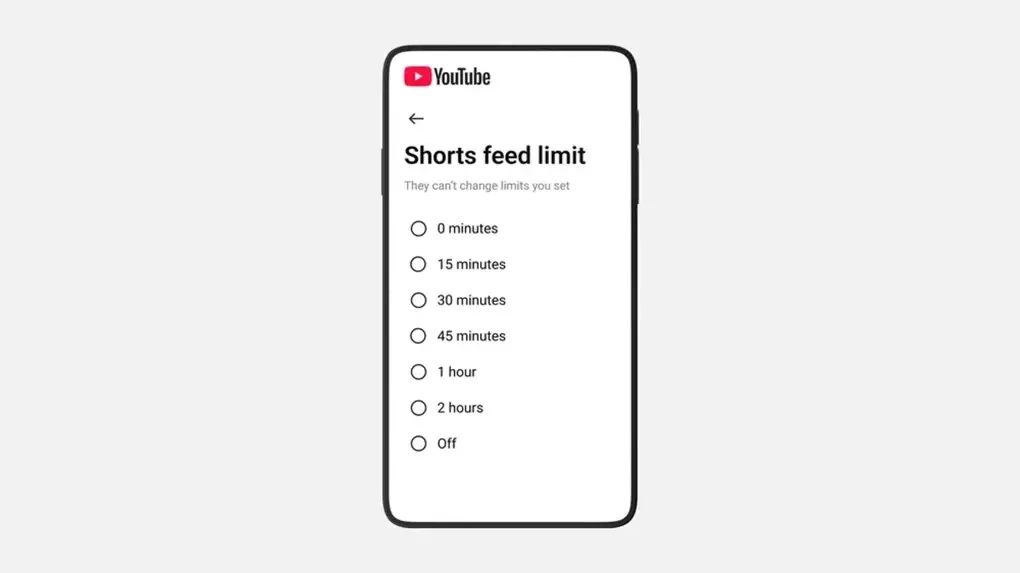
Instead of imposing a one-size-fits-all limit, we give families the power to choose. On YouTube, there are many tools for parents to manage their children's experience, from break reminders, bedtime reminders to setting short video viewing times. Parents can limit Shorts to 15 minutes, 30 minutes or even completely turn off Shorts if they feel it's appropriate for their child.
That is also the "safety from design" philosophy that we pursue. The platform creates tools for parents to actively make decisions, because each child and each family has different needs. We want to help build healthy technology habits, rather than impose a one-size-fits-all approach.
- Not only short videos, artificial intelligence also changes the way people create and access content, what should parents prepare to help children adapt?
- Whether the content is created by AI or not is not the most important thing. What needs more attention is the quality of the content and the recipient's ability to evaluate the information. Whether content is created by AI or by humans, parents need to help children recognize whether information is trustworthy, valuable or needs to be verified.
Another issue that needs attention is helping children use the right type of account that is appropriate for their age. In some markets, including Vietnam, many families have the habit of sharing the same YouTube account, making it difficult for the platform to fully apply specifically designed protection mechanisms.
Collaboration with the community is also an important part of efforts to protect children in the digital environment. In Vietnam, YouTube has collaborated with content creators and experts in the field to share experiences, helping parents better understand safety tools as well as how to accompany their children in the digital world.
I look at the problem from the perspective of a father with four children. I don't try to give all the answers, but encourage my children to ask questions. When reading information on the Internet, watching a video or listening to someone share something, you should ask yourself whether it is accurate, where it can be verified, and whether there is any evidence to confirm it. That is also the way we teach children in everyday life, not just in the digital environment.
Don't try to completely eliminate technology or new types of content, but help children develop the ability to evaluate, verify and make good decisions. Those skills will stay with them throughout their lives, no matter how technology changes.
Nam Nguyen - Luu Quy