The AI system helps build robots according to the description
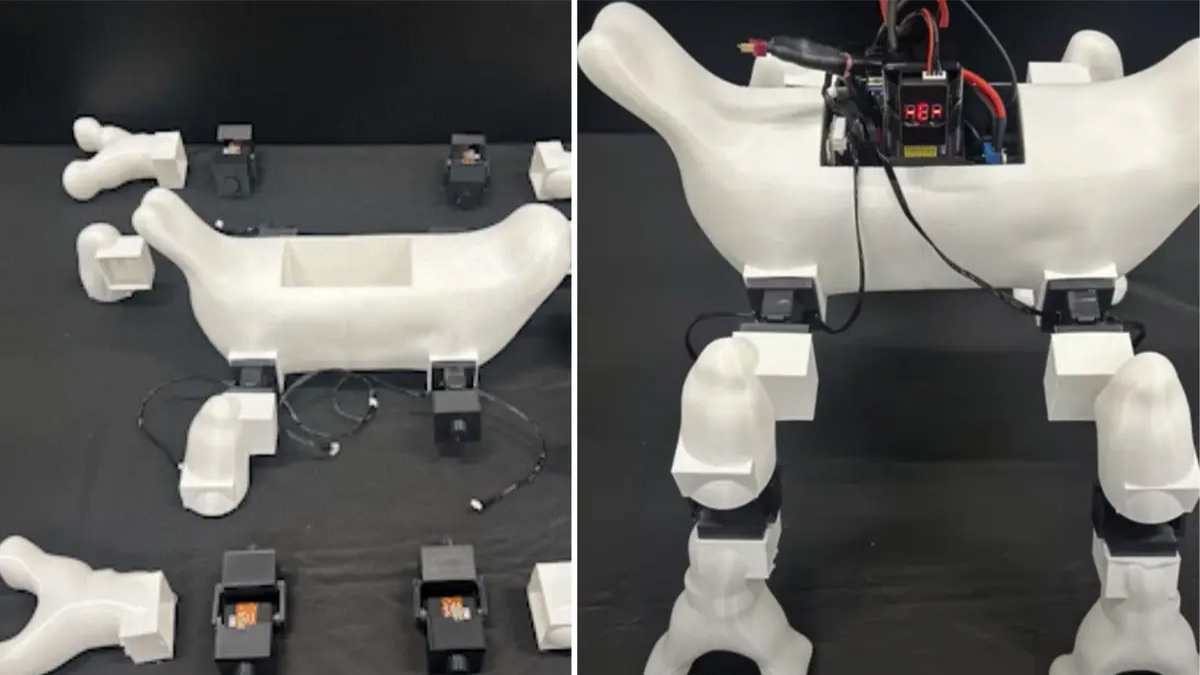
The system allows non-professionals to design and build robots with just simple descriptions, Interesting Engineering reported on April 10. "Building a robot from scratch is impossible for most people due to the complexity of AI integration, mechanical design and functional constraints. Text2Robot aims to remove these barriers," said Boyuan Chen, an associate professor at Duke University.
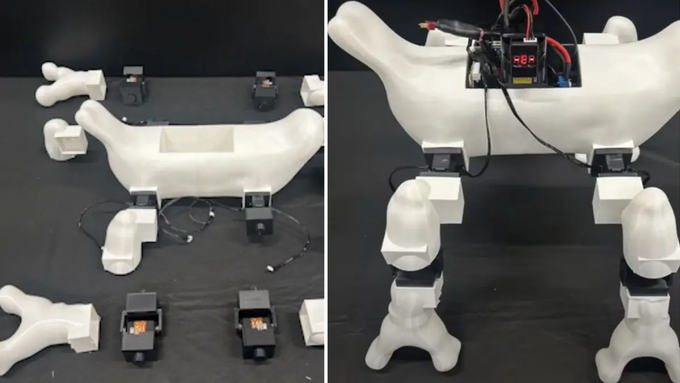
The system operates according to a process consisting of many closely combined stages. First, a large language model analyzes the user's natural language descriptions, for example: a six-legged robot can traverse rough terrain. This input is fed into a generative module that converts the text into a 3D model, creating a preliminary digital model of the robot. At this time, the robot shape is designed according to function.
Next, the system introduces the physical constraints necessary for the robot to function in real life, considering joint mobility, sensor and actuator placement, weight distribution, and 3D printing capabilities. The virtual design is then placed into multiple simulation environments to test and adjust mobility. Reinforcement learning algorithms along with evolutionary strategies help optimize both the robot's physical morphology and control software, creating motion sequences that are both efficient and stable.
What makes Text2Robot different is its ability to go from simulation to reality. Robot designs can be manufactured using common 3D printing technology and commercially available components. Text2Robot allows individuals or small organizations to quickly build working robot prototypes without needing deep knowledge of the field.
Although still in the development stage, Text2Robot offers the prospect that in the future, designing robots could become as simple as writing documents or designing websites. Potential applications include personalized assistance robots, educational tools, battlefield reconnaissance systems, environmental monitoring drones and many more, all generated from natural language.
Thu Thao (According to Interesting Engineering)