Earth's Black Box Nears Completion
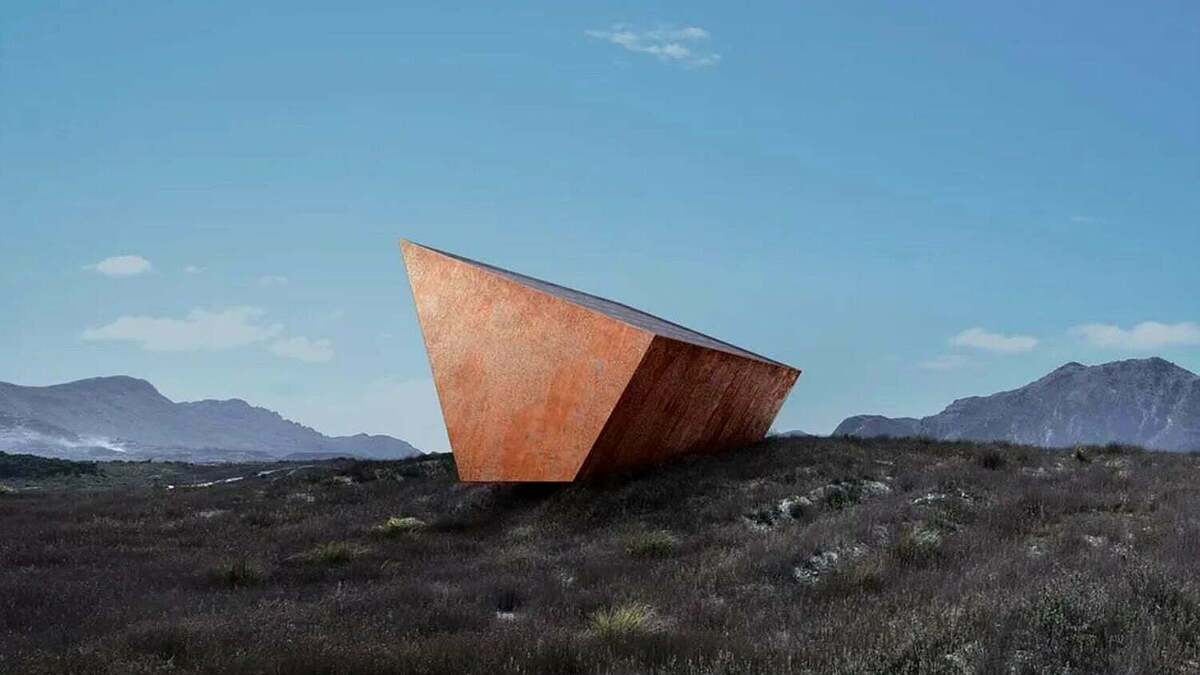
In the western part of Australia's Tasmania, near the town of Queenstown, a project called Earth's Black Box is moving into its final phase. Built by the non-profit Rouser Lab, the installation is expected to be fully operational by late 2026.

Its purpose is to keep an impartial record of what is happening to the planet, with a particular focus on climate change. The device continuously pulls environmental data over the internet from space agencies, meteorological bodies and universities around the world.
A structure built to endure
The vault is made of steel and concrete, roughly 16 metres long and 4 metres high, engineered to withstand both natural disasters and deliberate attacks. Power comes from 36 solar panels behind reinforced glass, allowing the system to run independently of any external grid.
The choice of western Tasmania was deliberate. The region scores well on both geological and political stability, improving the odds that the structure survives long enough for future generations to read what it stored.
At 16 metres long and 4 metres high, powered by 36 solar panels, the box records the planet's climate data without pause.
The idea was announced in 2021 and went through more than five years of design work. It draws inspiration from the aircraft black box, an Australian invention first prototyped in 1954 and used to reconstruct the causes of accidents after the fact.
Alongside the vault, Rouser Lab is also constructing Climate SOS, a 50-metre radio-telescope tower, signalling an ambition to turn the area into a long-term hub for storing and observing the planet's climate data.