IFA26: Dell 14S in hand: colorful, thin, light, sturdy aluminum build, expected price is very attractive

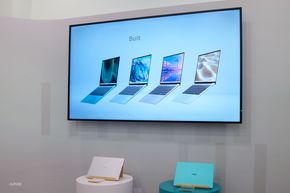
The Dell 14S is a laptop below the segment of the XPS 13 - a laptop that was introduced at Computex 2026. The Dell 14S does not have a price yet but is expected to be lower than the base version of the Dell XPS 13. Dell's new laptop is aimed at students so it has many bright colors, similar to the MacBook Neo.
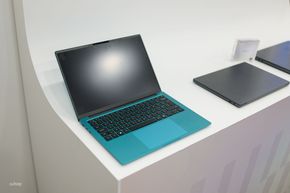
What impresses me with this machine is that it is neat, thin and light compared to the 14-inch screen size, the 16:10 ratio is also larger than the MacBook Neo or even the Dell XPS 13.

A laptop with a full aluminum build, thin and light, and coming from a big brand like Dell, to think of a price under 1000 USD was very difficult, almost impossible. However, the current situation is very different now and perhaps rarely have you seen Dell have a well-built laptop, beautiful screen and such an attractive price.

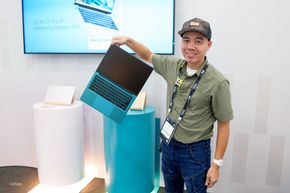
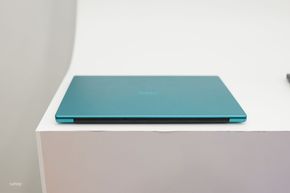
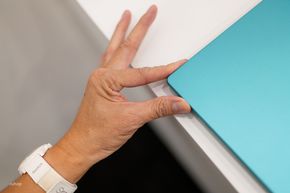
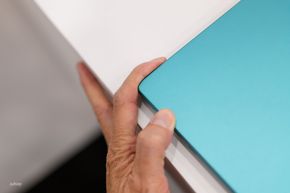
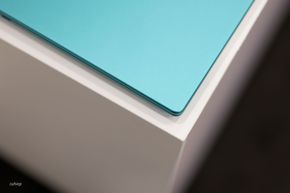
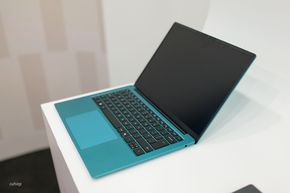
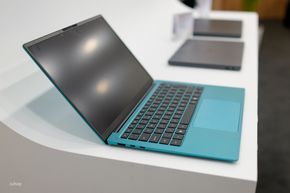
Holding the device in my hand, the first thing I see is that it is thin (less than 1-inch), light (1.15kg) and has a fairly sturdy aluminum build. This is not difficult to see in Dell laptops, previous XPS lines, or in general, laptops using Dell's aluminum build are always quite thick and sturdy aluminum panels, carefully reinforced.

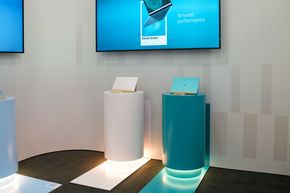
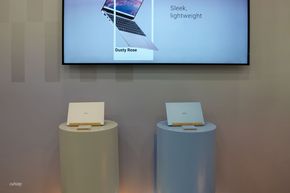
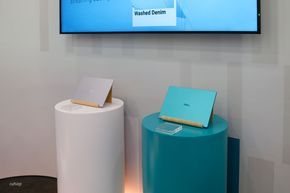
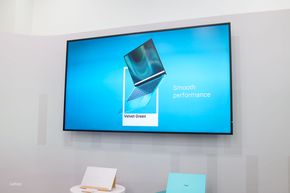
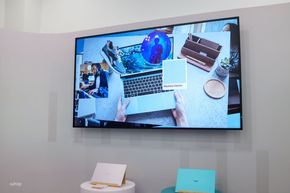
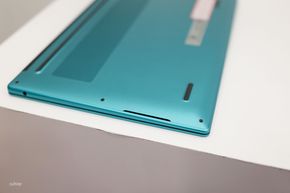
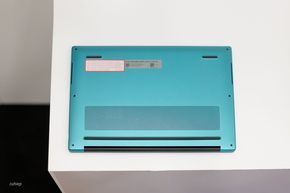
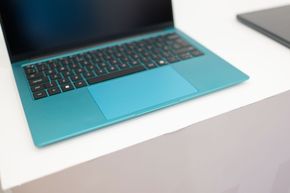
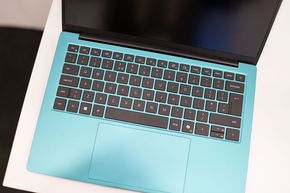
Second is the color, Dell brings 4 colors to IFA 2026 for this 14S, of which I am impressed with the blue color similar to the teal blue of the Sen 4 wallet. Bright colors help us be inspired to use the device more. This color will synchronize side A, side C, side D and the background image. It turns out that before launching the version running Intel Wildcat Lake (Intel Core Series 3), Dell had a version running AMD Ryzen AI 400, but that machine was a bit heavier and thicker than the 14S version running Intel, even though it had the same name.

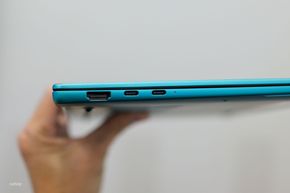
The connection port on the Dell 14S is complete for basic learning and working needs, including two USB-C 3.2 Gen 2 ports supporting Power Delivery and DisplayPort, HDMI 1.4, 3.5mm headphone jack and Wi‑Fi 6E.

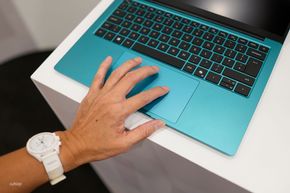
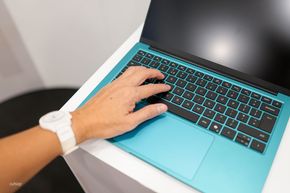
The keyboard and touchpad of the Dell 14S are fine, the keyboard layout is standard, typing feels neither too deep nor too shallow, reassuring and confident. The touchpad is quite large, tracking is stable and smooth. Usually in this segment, companies will cut off the touchpad part for the tracking experience, but Dell does not do that with the Dell 14S.

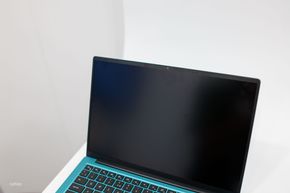
Regarding the screen, the Dell 14S has a 14-inch size and the version I am holding in my hand is the base version which will have FHD+ resolution (1920 x 1200 pixels), 60Hz refresh rate and 300 nits brightness, 100% sRGB. There is a Dell 14S version with a more advanced screen, a 2.8K 120Hz IPS LCD panel, 450 nits brightness.

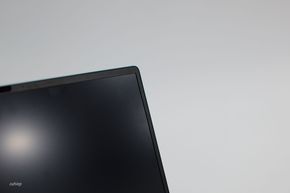
Above the screen is a 1080p webcam for clearer video calls. According to my initial observations, the Dell 14S screen is just enough for the learning needs of most students. The main color range for web surfing is sRGB, covered 100% so basically it will not feel pale when viewing content and doing design.

The configuration of the Dell 14S is also diverse and quite long, but mainly will be Intel Core Series 3 (Wildcat Lake), the chip line launched by Intel aimed at the segment under 700 USD, this segment competes very strongly thanks to the appearance of MacBook Neo, besides Intel Core Series 3, AMD also appears with Ryzen 200 Series, Qualcomm is Snapdragon C. However, SKUs from AMD and Qualcomm have not appeared much but will mainly be Intel. Most of the Dell 14S here are equipped with Intel Core 7 350 or Intel Core 320. You can rest assured that Dell has many configurations for the 14S, the price will also gradually increase, including Intel Panther Lake (Core Ultra Series 3). The RAM of the base Dell 14S will be 8GB LPDDR5x and a maximum of 16GB, optional SSD up to 1TB, the lowest is 256GB PCIe NVMe. PCIe NVMe hard drives are an advantage for Dell because there are some laptop models under 700 USD that often use UFS (when running Qualcomm chips).

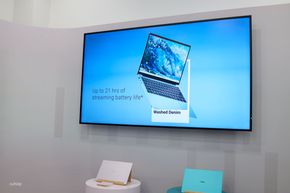
The 61.2Whr battery of the Dell 14S can help the device last a whole day because in fact, the Intel Core Series 3 is produced on the Intel 18A production line so its energy efficiency is extremely good. Moreover, these chips are not "stuffed" with many high-performance P cores, so the ability to "eat" electricity of this chip line is not as high as Panther Lake.

The number of 21 or 27 hours that Dell gives is Dell's own test, the actual number will vary based on actual experience. Dell has not announced the price and has no specific schedule to bring the device to Vietnam, I will update more. More pictures: