Kazakhstan discovered a 20 million ton rare earth mine
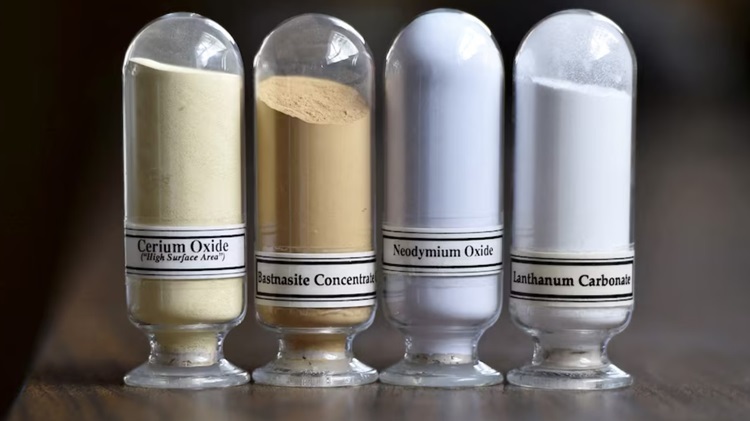
Kazakhstan geologists announced the discovery of a rare earth mine with reserves of more than 20 million tons located at a depth of 300 m, Chem Analyst reported on April 4. Kazakhstan is currently not on the US Geological Survey's list of rare earth producing countries. If confirmed, the discovery would put the Central Asian country in the top spot behind China and Brazil in terms of reserves.
An announcement from the Ministry of Industry and Construction of Kazakhstan said that the mine, located in the Zhana Kazakhstan region, 421 km from the country's capital, contains large amounts of neodymium, cerium, lanthanum, and yttrium, key elements used in a variety of high-tech applications, including electric vehicles, wind turbines and consumer electronics. According to the ministry's preliminary assessment, the average density of rare earth metals in the area is about 700 grams/ton.
In addition to the composition and estimated size of the rare earth mine, Kazakh authorities did not disclose key information related to the development of the mine, such as the companies that may be involved in mining and processing rare earths or the timeline for mining operations.
The discovery comes at a pivotal time as global demand for rare earths continues to skyrocket due to the rapid transition to clean energy and the emergence of advanced technologies. Currently, China dominates the supply chain, raising concerns and the possibility of supply disruptions and geopolitical influence. The discovery of a large new rare earth resource in Kazakhstan could enrich the market and reduce production to one dominant producer.
However, developing the mine in Zhana Kazakhstan also poses many challenges. Rare earth mining has many impacts on the environment. Establishing sustainable mining operations is important to ensure the long-term viability of the project. Kazakh authorities will need to conduct further geological surveys to study the feasibility before starting to exploit the mine.
An Khang (According to Chem Analyst)