'Science and technology must become the source of new productivity'
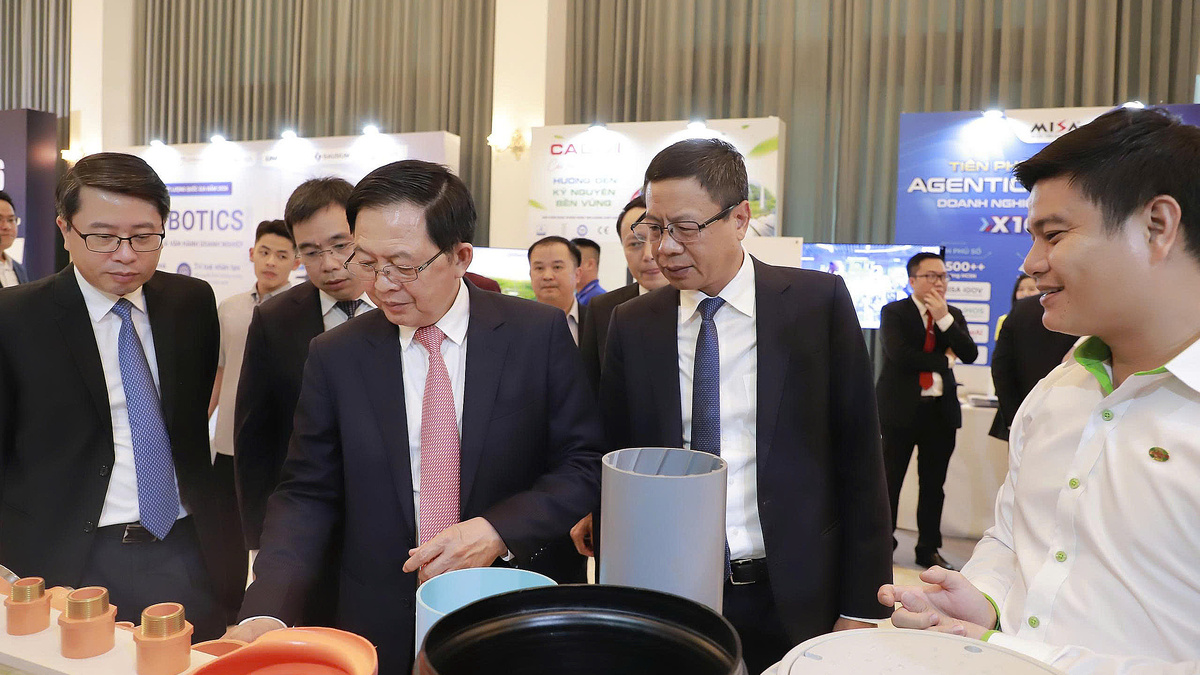
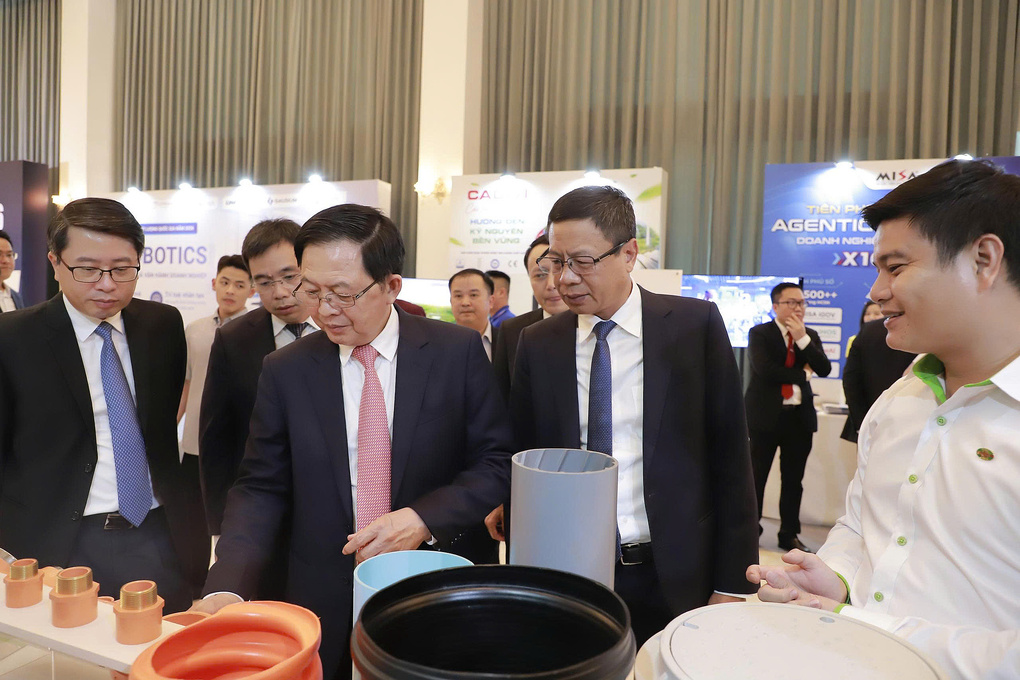
The information was delivered by the Deputy Prime Minister at the 2026 National Productivity and Quality Forum, chaired by the Ministry of Science and Technology and assigned to the National Quality Measurement Standards Committee, held on August 14 in Ho Chi Minh City.
He assessed that, after nearly 40 years of innovation, Vietnam's economic potential has made great progress, but the growth model still relies more on expanding resources than on effective resource use.
"Regional experience shows that no country has overcome the middle-income trap without experiencing a period of drastic acceleration in productivity," the Deputy Prime Minister said. He added that today's productivity itself is different, it is no longer about doing things faster than the old way, but creating new value with new technology, data and management methods, and must meet quality and environmental standards to be accepted by the market.
Deputy Prime Minister Ho Quoc Dung emphasized that improving productivity is not a movement, nor is it just a matter of the science and technology industry, but one of the central tasks of the whole system in the period 2026-2030.
From there, he proposed three major directions. First, shift from following the trend to deep, measurable transformation, while taking productivity targets as an operating measure.
Along with that, science, technology, innovation and digital transformation must become the source of new productivity, quality and standards must become "passports" to the market.
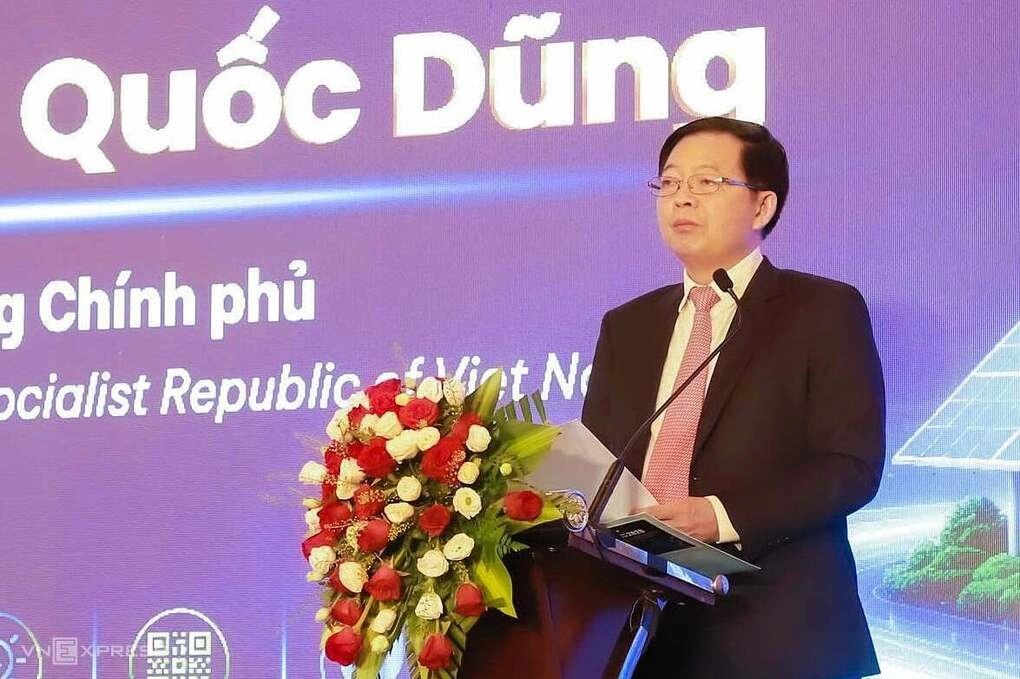
According to the Deputy Prime Minister, digital transformation and AI must go into production lines and management processes, not just office management software; Focus on the ability to absorb and master technology of Vietnamese enterprises, especially small and medium-sized enterprises. National quality infrastructure needs to be modernized, digitized and "one step ahead" to meet increasingly high world standards.
Finally, all three forces must be mobilized synchronously, including state-owned enterprises, the private economy and the public sector itself. Based on the requirements of Resolution No. 79-NQ/TW, it is recommended that each group and corporation build its own productivity program, with quantitative goals and spread down the supply chain. Support policies must shift from widespread to focused, taking actual productivity growth as a measure.
"Improving productivity is a long-term journey. In the current context, we have no other choice but to accelerate," said the Deputy Prime Minister.
Speaking at the event, Deputy Minister of Science and Technology Le Xuan Dinh acknowledged that Vietnam is entering a new stage of development, requiring rapid and sustainable growth. As input expansion space becomes increasingly limited, productivity must become the main source of long-term growth. Science and technology create new capabilities; innovation turns that capacity into value; digital transformation, data and artificial intelligence improve efficiency; while standards, measurement and quality help results to be trusted and accepted by the market.
Recommendations for Vietnam
Previously, at seminar sessions, Prof. Dr. Vu Minh Khuong, Lee Kuan Yew School of Public Policy, National University of Singapore, assessed that Vietnam is entering a period of change in its development model, with Resolution 57 and science, technology and innovation policies creating new momentum. In particular, the new business sector is where the pace of change is most clearly demonstrated.
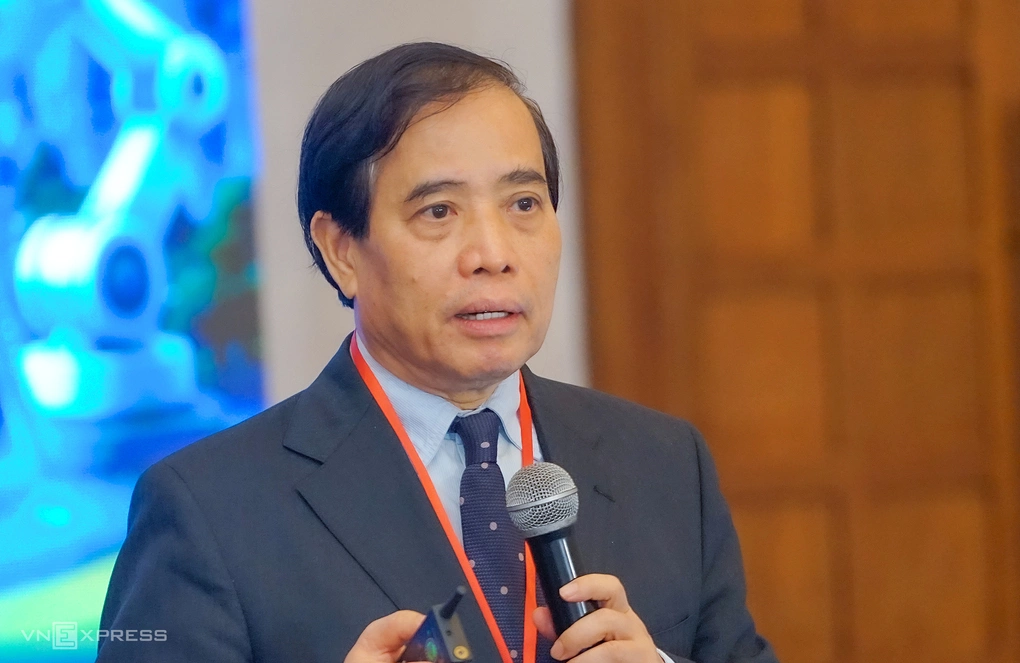
According to his observations, the production force, from businesses to workers, is applying AI and digital technology at a fast pace, but the management system and organizational methods above have not kept up. Therefore, the problem is not only investing in more technology but also changing the way of governance, building institutions and organizing resources.
From these factors plus international experience, Mr. Khuong divided changes in science, technology and innovation policies into 7 trends, and proposed 8 action missions and three strategic implications for Vietnam.
Among the trends, especially AI, he assessed that this technology is becoming the foundation of productivity in the economy as it penetrates many industries and user groups at a rapid pace. This places new policy demands on technology, especially how it is operated in practice.
With the shift from the traditional research and innovation model to building an innovation ecosystem, it is necessary to take into account the ability to coordinate resources and practical results instead of focusing only on research. Vietnam needs to move from talking about innovation capacity in general to solving specific problems of businesses and the economy.
Mr. Khuong recommended that the State needs to shift from allocating budget and managing each project to building a foundation for innovation, including strategic direction, digital data and legal corridor. Instead of focusing public resources on just a few large projects, policy could aim to help millions of producers, farmers and small businesses increase productivity.
He proposed positioning Vietnam to become a regional AI and innovation center, attracting international resources and corporations, and expanding development space.
According to Mr. Khuong, it is possible to "AIize" the economy with an AI popularization program on a scale similar to the spirit of the "Popular Education" movement, bringing the ability to use AI to workers and businesses. Combine building a smart logistics system to reduce costs for businesses and increase connectivity with the global supply chain. It is necessary to build green and smart production centers to attract new generation FDI capital flows.
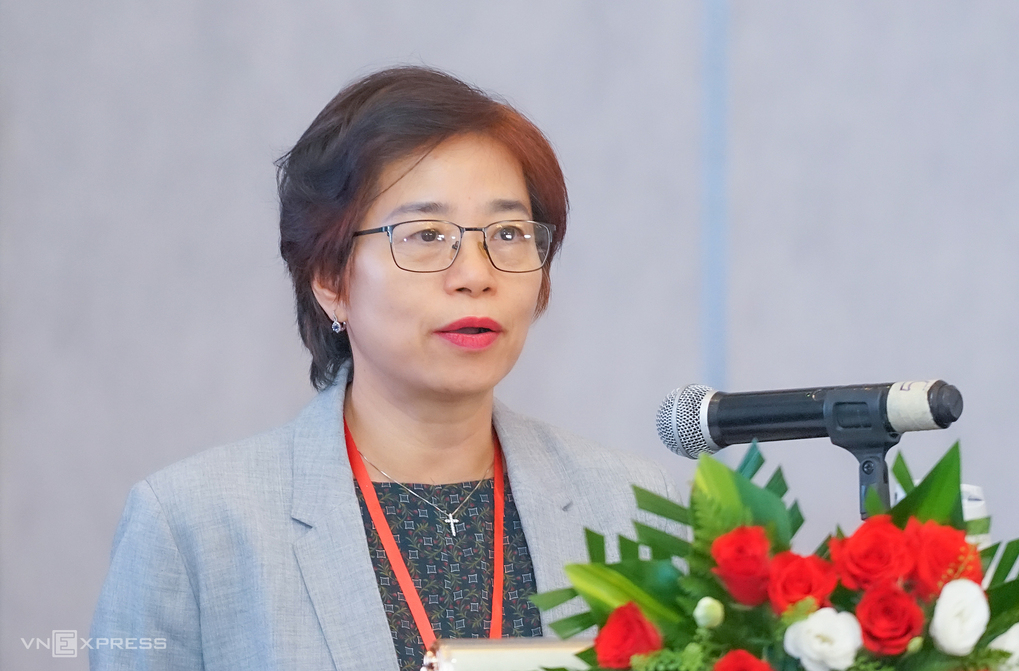
Ms. Vo Lan Phuong, CEO of Vriens & Partners Vietnam, an expert in policy impact assessment, said that improving national productivity does not only depend on capital and technology.
Citing World Bank research, Ms. Phuong said Vietnam has an investment rate of about 32% of GDP but labor productivity growth is only about 0.9%. Instead of continuing to increase the investment rate, one proposed direction is to maintain investment around 36% of GDP and increase the productivity growth rate to 1.8%.
To do that, she believes that the State must improve the way it allocates resources, helping businesses shift to activities with higher productivity and innovation capabilities. In addition, it is necessary to resolve "bottlenecks" in compliance costs, move from mass management to risk-based management, create a sandbox for new technologies, as well as create a policy forecasting mechanism to help businesses know the long-term roadmap before investing.
Mr. Tran Phuc Hong, CEO of TMA Innovation and Vice President of Vietnam Digital Technology Business Alliance (VNITO), pointed out the paradox that the technology supply capacity has been formed with about 18,000 software businesses, but the level of software and AI application in manufacturing industries is still low. Most businesses are SMEs, which do not have enough resources to invest in technology and process innovation.
TMA Innovation representatives also mentioned a series of bottlenecks that need to be resolved, including infrastructure, policy delays and administrative procedures. From here, he proposed four groups of solutions, including the State and associations that need to connect technology businesses with the traditional manufacturing industry to put Make in Vietnam products into practical operation; Build an intellectual property valuation mechanism so startups can use patents as financial assets; shorten customs procedures for testing equipment in R&D and semiconductor activities; Shorten policy enforcement time and simplify the sandbox mechanism.
According to the Vietnam General Confederation of Labor, in the period 2021 - 2025, Vietnam's labor productivity will increase by an average of 5.3%/year, lower than the set target of 6.5% and lower than many countries in the region. The rate of trained workers with degrees and certificates reached 29.2%.
The General Confederation sets an annual goal of having at least 400,000 worker initiatives proposed and applied into practice; From 500 to 700 initiatives were awarded Creative Labor Certificates; The value of benefits from initiatives in 2026 will reach at least 20 trillion VND and increase by 10 - 15% in the following years.
Bao Lam