'If you fail in doing science but not for profit, you will be exempted from responsibility'
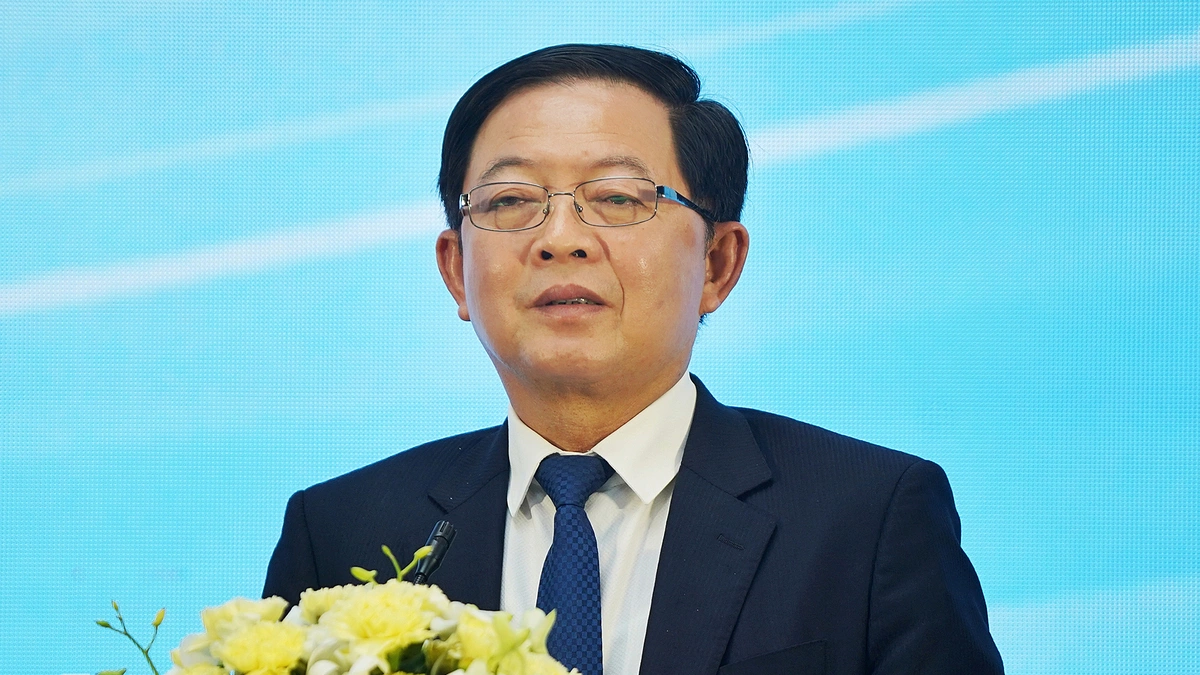
The information was given by the Deputy Prime Minister at the conference on Removing institutional bottlenecks in science, technology, innovation and digital transformation, on the afternoon of July 15.
According to the Deputy Prime Minister, doing science is researching new things that no one has done yet. "If you do 10 things, 1-2 may fail". "If successful, reward is given, if failure is punished, no one dares to do it," he said. Therefore, the Government agrees to present to the National Assembly a resolution on the responsibility handling mechanism. "We do science impartially, transparently, without profit, without embezzlement or corruption. If we fail, we will be exempted from responsibility," said the Deputy Prime Minister.
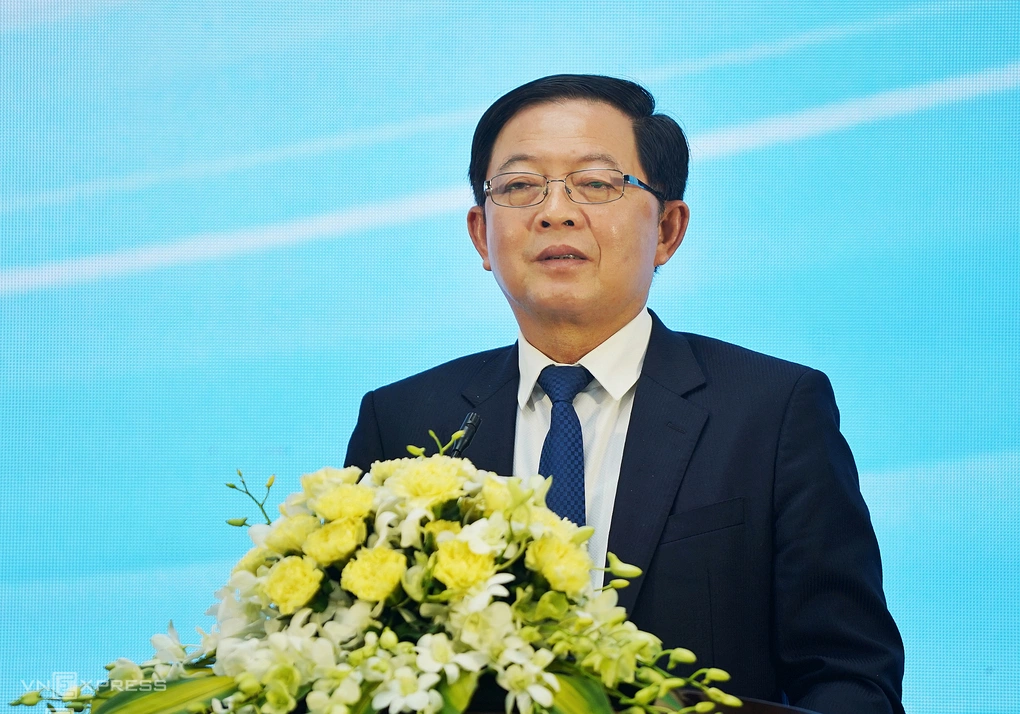
This mechanism is one of the steps to improve institutions and implement Resolution 57 on developing science, technology, innovation and digital transformation. According to the Deputy Prime Minister, after about 18 months of implementation, about 400 legal documents have been issued, with nearly 30 laws directly related to the Resolution, of which the Ministry of Science and Technology alone has developed 10 laws. In addition, 70 decrees, 30 resolutions and 72 decisions have been issued, contributing to transforming institutions from "bottlenecks" into competitive advantages.
"As of today, the phase of perfecting institutions and removing basic bottlenecks has been completed," the Deputy Prime Minister said, adding that there is also an important resolution on finance being considered by the Government. He asked delegates to fully contribute their opinions to "remove all obstacles and free up resources for development".
According to him, Vietnam has now met all the conditions to create a breakthrough, including the Party's policies, institutional system and financial resources. This year, the budget for science and technology is allocated about 103,000 billion VND, equivalent to 3% of total state budget expenditure. However, in reality, there is still about 18,000 billion VND that cannot be allocated, because ministries, branches, localities, research institutes and universities have not proposed specific tasks. Disbursement progress is about 28%, lower than the national average public investment disbursement rate of 36%.
The Deputy Prime Minister stated the reason, due to fear of responsibility in implementing scientific and technological tasks. He said, many unit leaders are concerned that purchasing technology and software is difficult to determine the value because technology changes rapidly, leading to pressure when being inspected and tested many years later.
When the institution has been completed and there are mechanisms to protect scientists from risks, the Deputy Prime Minister encourages the spirit of innovation, daring to do, and daring to take responsibility for the common good. "What the country needs most today is people who dare to act and dare to commit to the development of the country," he said, asking ministries, branches and localities to consider the progress of disbursement of science and technology capital as a criterion to evaluate the responsibilities of the leader. The Ministry of Science and Technology will build a KPI system to track this. Localities that perform well will be praised, and those with delays will be considered responsible.
In the next stage, the Deputy Prime Minister proposed that four entities including management agencies, scientists, institutions and businesses change their thinking. In particular, management agencies need to strongly shift to a constructive role, promoting decentralization and organizing the effective implementation of new policies. Scientists need to start from the practical needs of the country, aiming to commercialize research results. Universities and research institutes must connect more closely with businesses. Meanwhile, businesses need to become the center of the innovation ecosystem, proactively investing in research and development to form strategic technology products with Vietnamese brands.
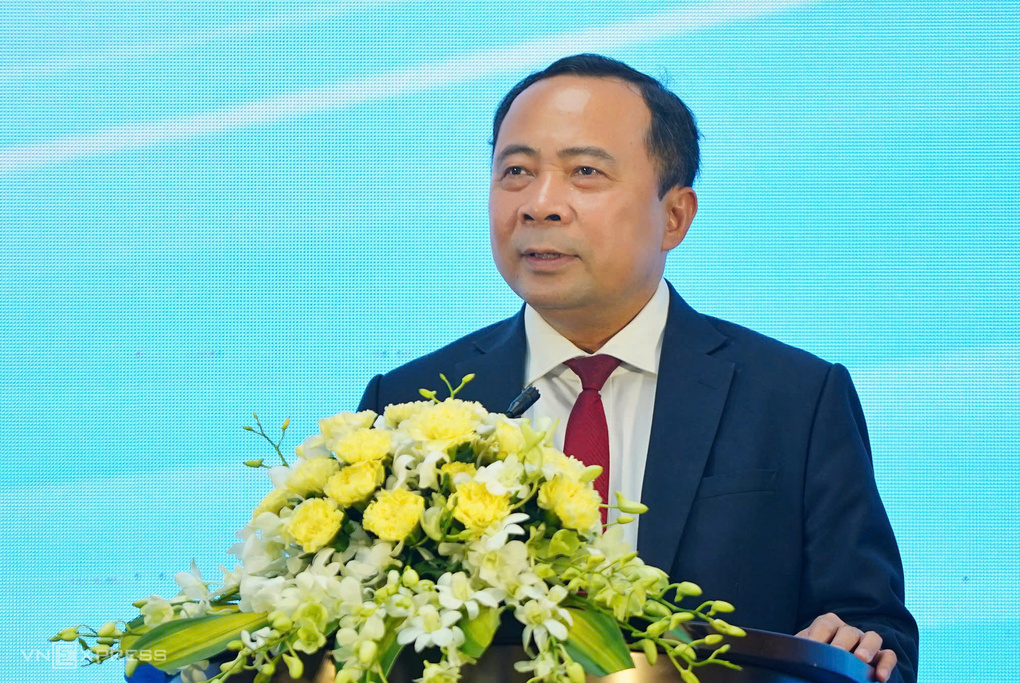
At the conference, Minister of Science and Technology Vu Hai Quan said this is a period of shifting focus from building institutions to bringing policies into life, ensuring new regulations truly create motivation for research, innovation and digital transformation.
Accordingly, the head of the science and technology industry wants to listen to opinions from localities, businesses, research institutes, universities and scientists to continue to improve regulations during the implementation process.
Conference "Science, technology, innovation and digital transformation institutions - Removing bottlenecks and creating development" organized by the Ministry of Science and Technology. The conference was attended by Government leaders, representatives of a number of ministries, branches and localities.
Luu Quy