The Vast Fungal Network Hidden Beneath Our Feet
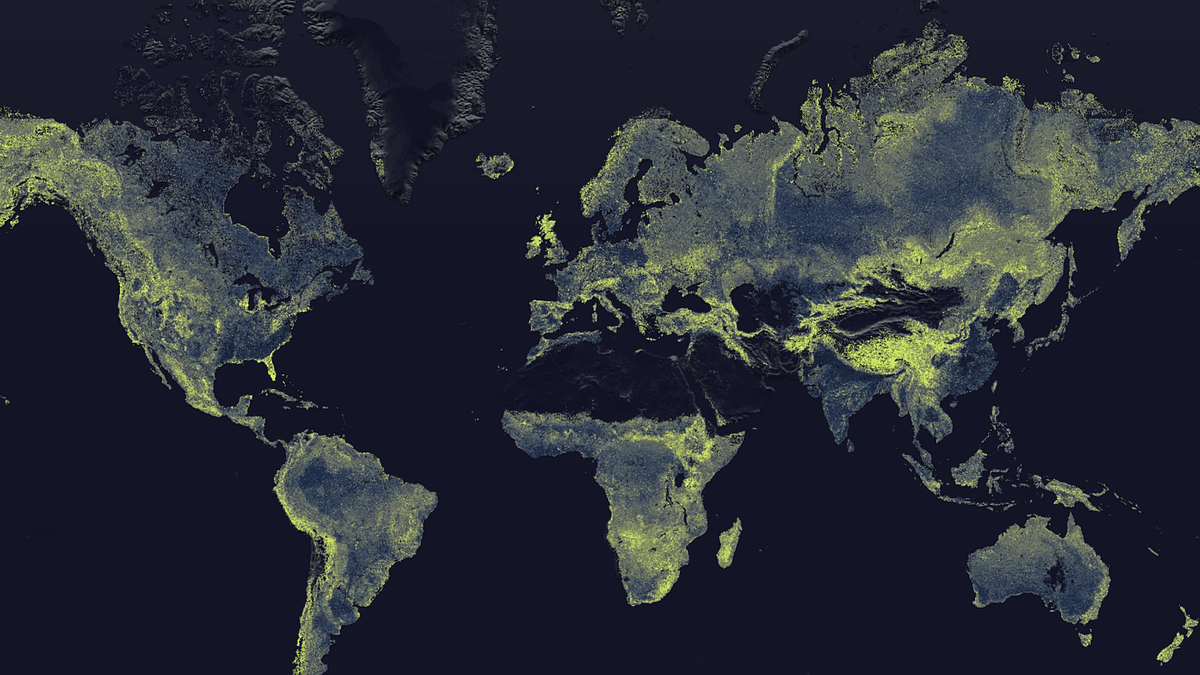
Beneath every footstep lies an immense web of life invisible to the naked eye. Researchers at the organization SPUN have released the first global map of symbiotic mycorrhizal fungi, the thread-like filaments that weave through soil and link up with plant roots.

To assemble the picture, the team gathered more than 16,000 soil samples from around the world and applied machine learning to analyze and extrapolate from them. The findings revealed a scale far larger than previously imagined.
A biomass greater than humanity
By their estimate, the total biomass of this fungal network sits around 300 million tons, roughly four to six times the combined biomass of all humans on the planet. Laid end to end, the filaments could stretch about 110 million billion kilometers.
A single teaspoon of soil can hold up to 10 meters of tangled fungal threads.
These filaments act as a natural nutrient delivery network, supplying more than 70% of plant species, including staple food crops such as wheat, corn and rice.
The study also sounds a warning. Cultivated farmland shows fungal density up to 47.3% lower than in wild ecosystems. Tilling, heavy fertilizer use and fungicides are steadily eroding this partnership.
Should the underground network weaken further, the soil's capacity to store carbon, distribute nutrients and retain water could all suffer, with consequences for both agriculture and the global climate.