Mark Zuckerberg and the billion dollar pain

(Dan Tri) - Meta's Reality Labs division, which develops virtual reality devices and AI-integrated wearables, recorded a loss of $4.62 billion in the latest quarter.
In its second quarter business results report, Meta said Reality Labs achieved revenue of 431 million USD, a significant increase compared to 370 million USD in the same period last year. However, the recorded loss also continued to increase compared to the loss of 4.53 billion USD a year ago.

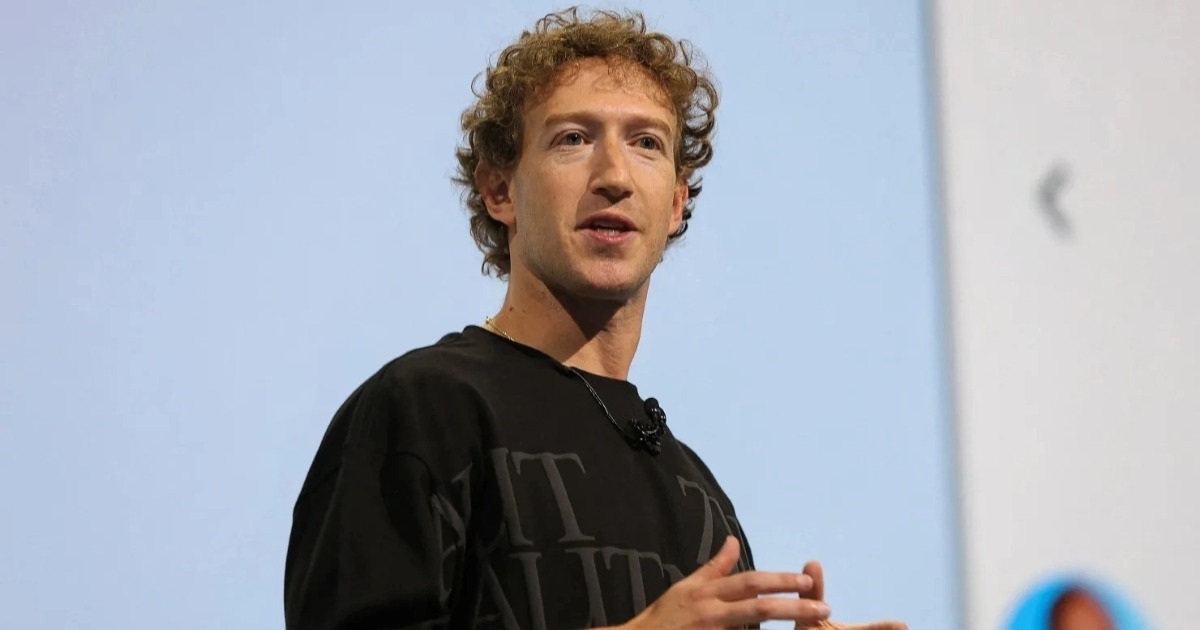
Metaverse did not achieve the success of Mark Zuckerberg's original vision (Photo: CNBC).
Reality Labs is the manufacturer of Quest brand virtual reality (VR) glasses and Meta's Ray-Ban glasses. Since the end of 2020, this division has generated a total cumulative loss of more than 80 billion USD.
Meta first entered the VR market since 2014. At that time, the company (also known as Facebook) acquired Oculus (a startup in the VR field) for $2 billion.
Co-founder and CEO Mark Zuckerberg believes that developing VR and AR technology can help the company lead the way in the cloud computing era. By 2021, Mark Zuckerberg decided to change Facebook's name to Meta, to represent the company's new development direction.
However, the virtual reality market has not been able to attract users as expected. Metaverse (virtual universe) and virtual reality (VR) are still just a hobby of a small part, never becoming a popular trend.
Since January, Meta has laid off employees of the Reality Labs department and closed a number of studios developing virtual reality games. These cuts affected more than 1,000 jobs.

Meta continuously cuts staff in the Reality Labs department (Photo: CNBC).
Most recently, Meta also announced that users will no longer be able to access immersive worlds in Horizon Worlds via virtual reality glasses starting June 15. This is considered a tacit admission of Mark Zuckerberg's failure in his ambitious Metaverse vision.
In fact, Meta isn't the only one failing with VR. Apple also launched Vision Pro glasses in 2024 for $3,500, but this product has so far left almost no significant mark on the market.